
Through a Child’s Eyes
A two-year-old stood in his own living room and begged to go home. He meant here. Inside Ronald McDonald House New York, the Play Space, the crafts, and the celebrations add up to something a kid battling life threatening illness can call home.
How RMH-NY's Children's & Enrichment Programs Turns Crisis Into Community
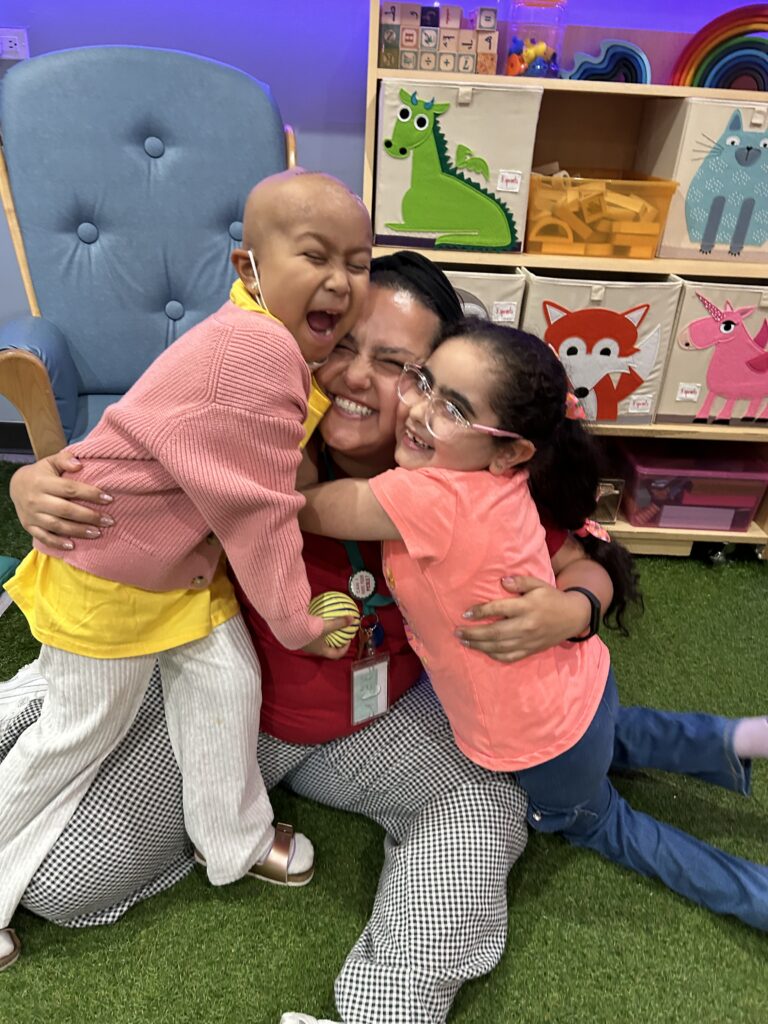
The two-year-old refused to leave the Play Space.
Not even for home. His mother recounted the moment with wonder: she’d run back to their own place to grab supplies, and the whole time, her son kept insisting he wanted to go back “home.” He’s bold, opinionated, a force of nature. And “home” didn’t mean the apartment they’d just left. It didn’t mean the hospital where his twin siblings were receiving care.
Home meant one place: Ronald McDonald House New York.
“He loves the Play Space and all of you so much,” his mother told the Programs staff within earshot.
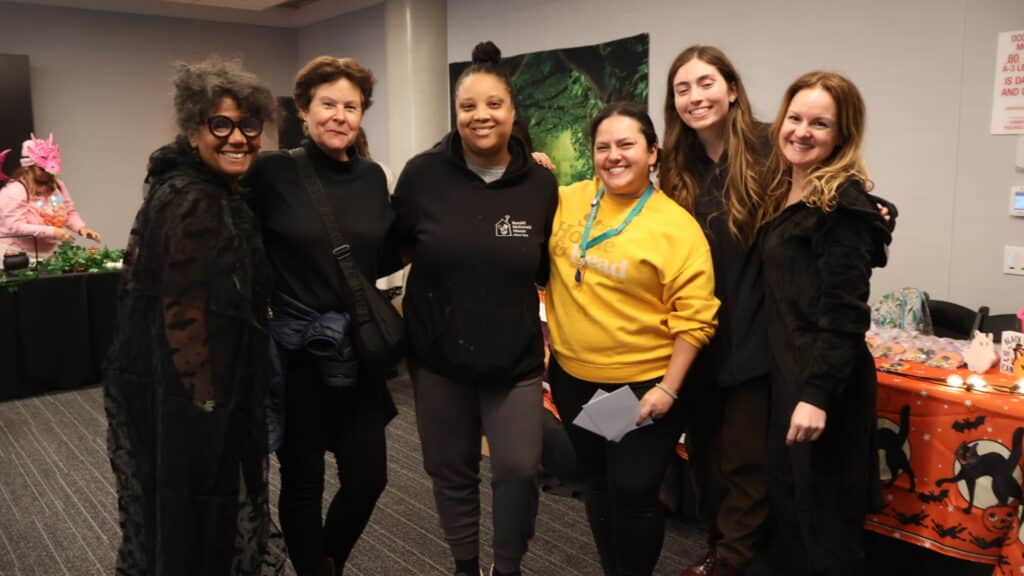
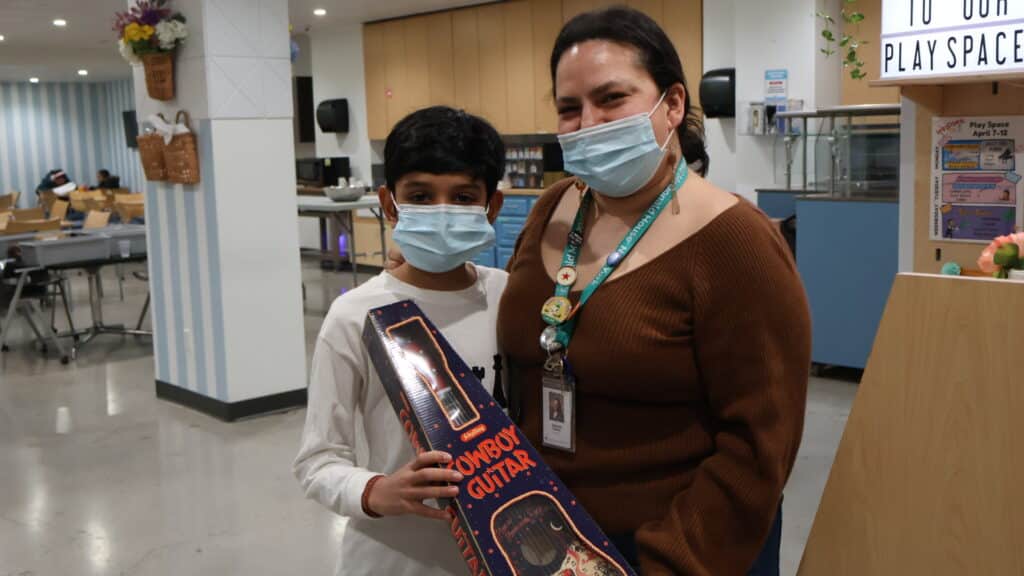
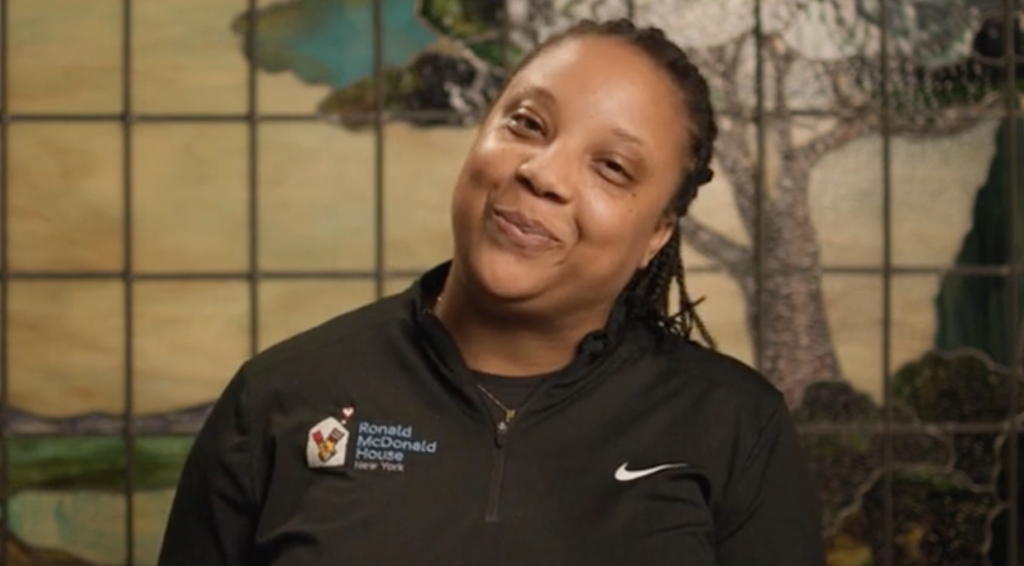
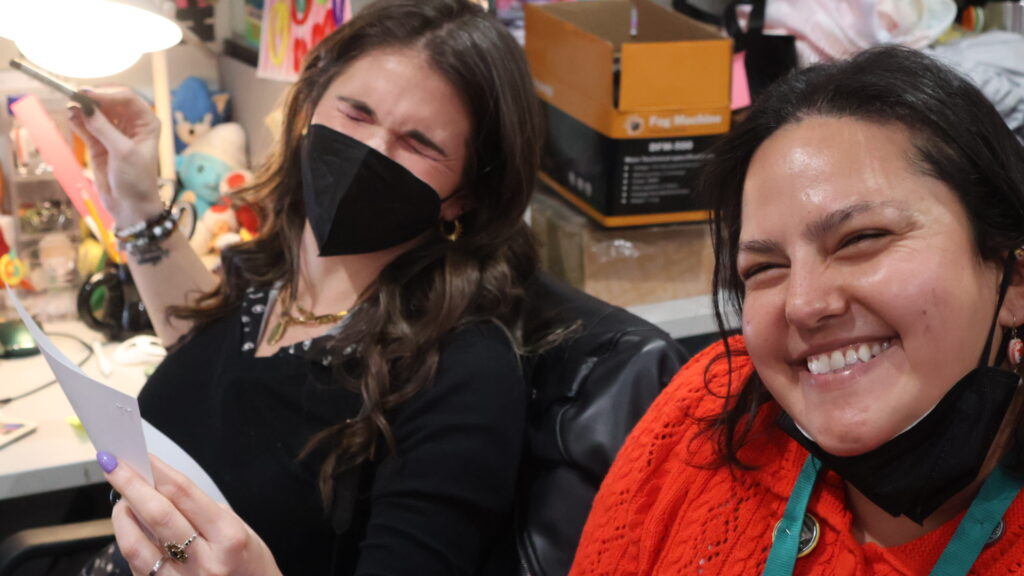
This moment, shared by Stefanie Nester (pictured above), Program Coordinator in Children’s & Enrichment at RMH-NY, captures something essential about what happens inside these walls. The programs are not calendar items. They are the difference between a child navigating medical trauma alone and a child who knows he belongs somewhere. They are how families breathe when the world has stopped.
They are why a two-year-old calls the House home.
Seeing Programs Through a Child's Eyes
Seeing programs through a child’s eyes isn’t a one-time exercise at RMH-NY. It’s how the team plans. Before an activity ever lands on the calendar, the Programs staff asks the same question: what would a child see? What would matter to them?
This month, Stefanie made that lens explicit. She spent time observing the House’s Children’s Enrichment repertoire with a single focus, and what she found was a catalog of moments that, strung together, explain why families under impossible stress still find reasons to laugh inside these walls.
“I began looking at our programs through the eyes of a child this month,” Stefanie shared.
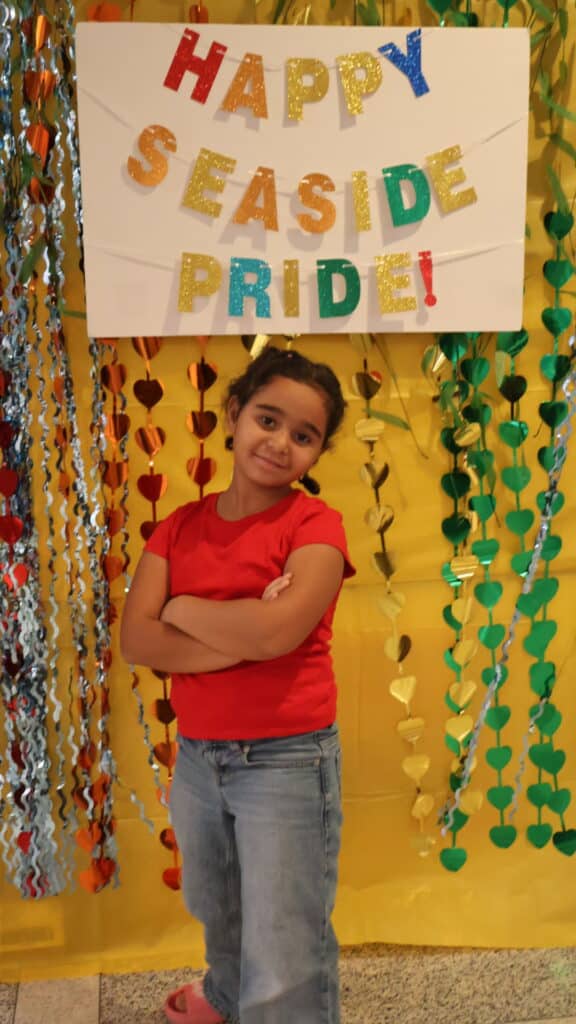
She saw it everywhere. Families watching the New York Knicks’ long-awaited championship win together in the lower-level dining room. Teen Night in the teens’ own dedicated space, celebrating National Donut Day. Children making themed friendship bracelets for Juneteenth. Families joining for Seaside Pride with sand art creations and ocean slime, and celebrating Caribbean Heritage Month with temporary tattoos, tote bag decorating, and acai bowls.
Customization as an Art
These aren’t random activities. They are created to reflect the families walking through the doors. They honor culture, identity, heritage, and joy because a child facing illness is still a whole person with a whole family, from a whole community. Celebration becomes a form of belonging.
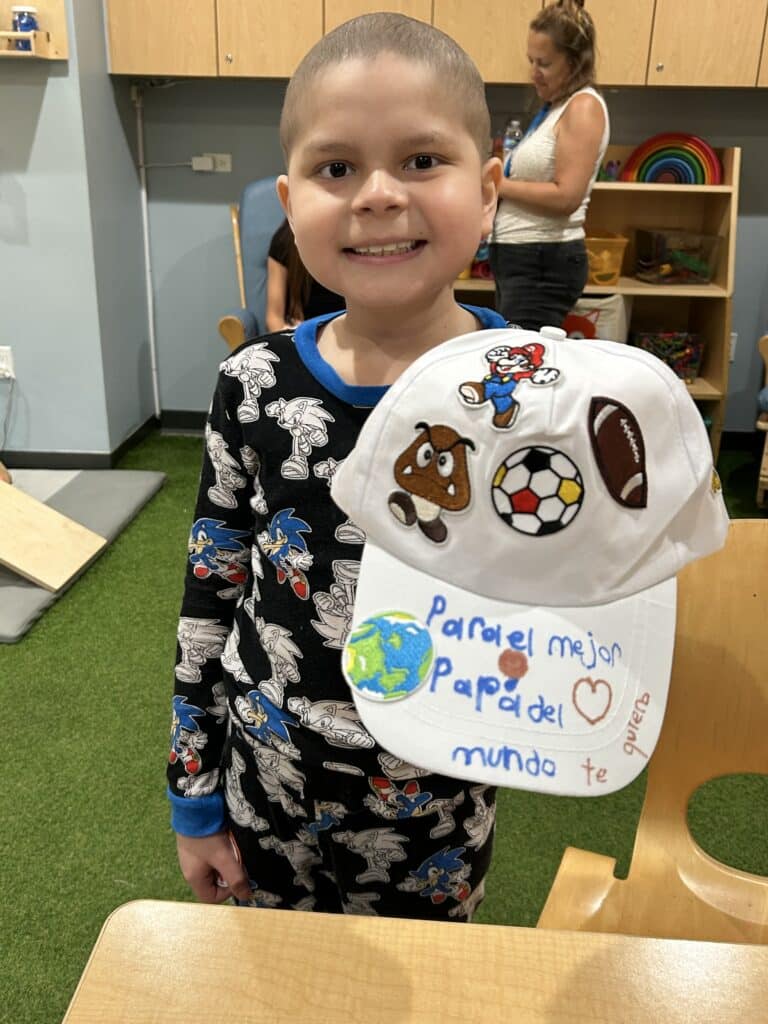
For Father’s Day, the team created customized hats for dads. One was covered in Super Mario and sports-themed iron-on patches that read, “Para el mejor papá en el mundo”—”For the best dad in the world.” In the middle of one of the hardest chapters of a family’s life, someone made sure that dad felt seen.
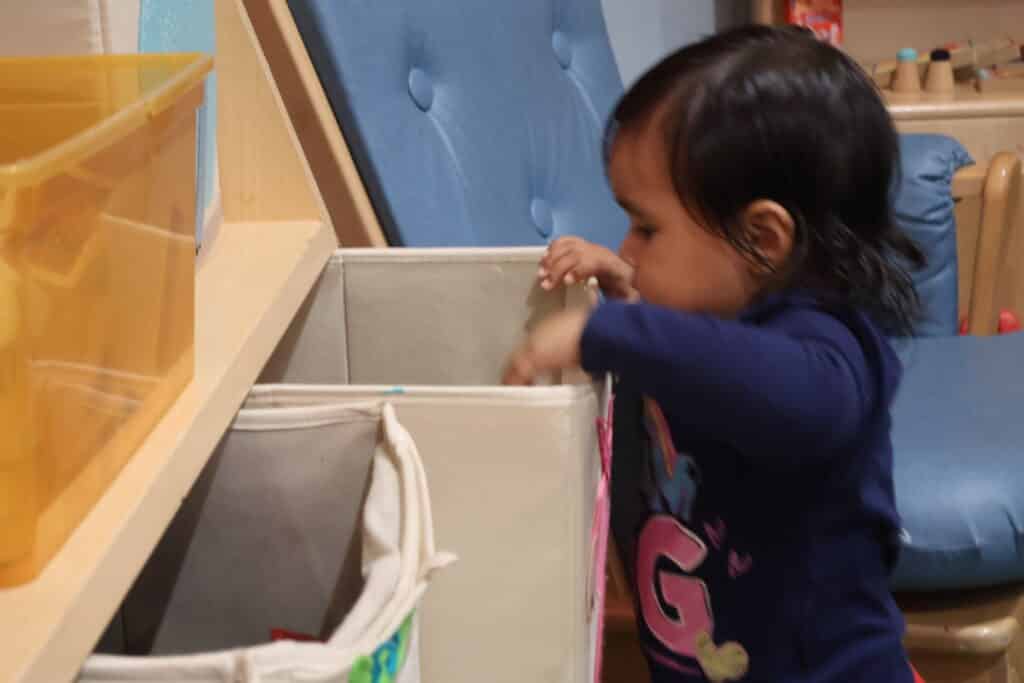
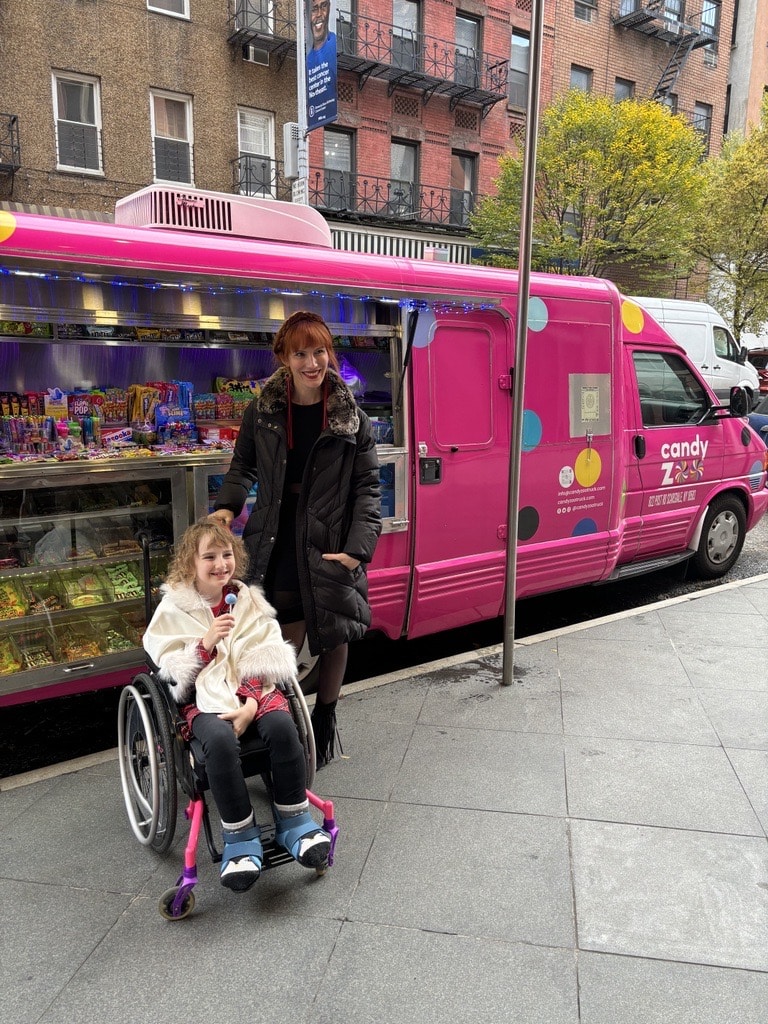
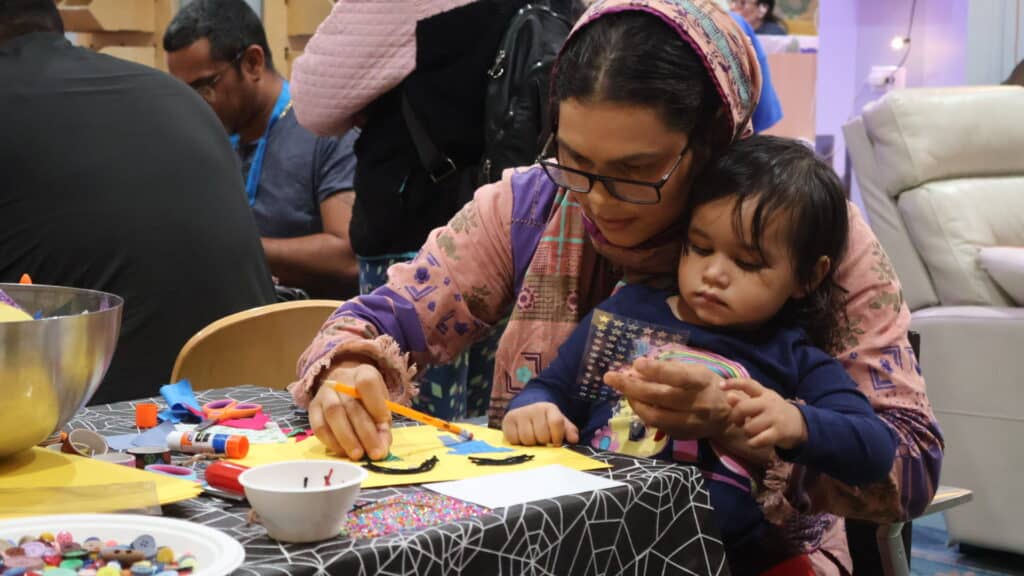
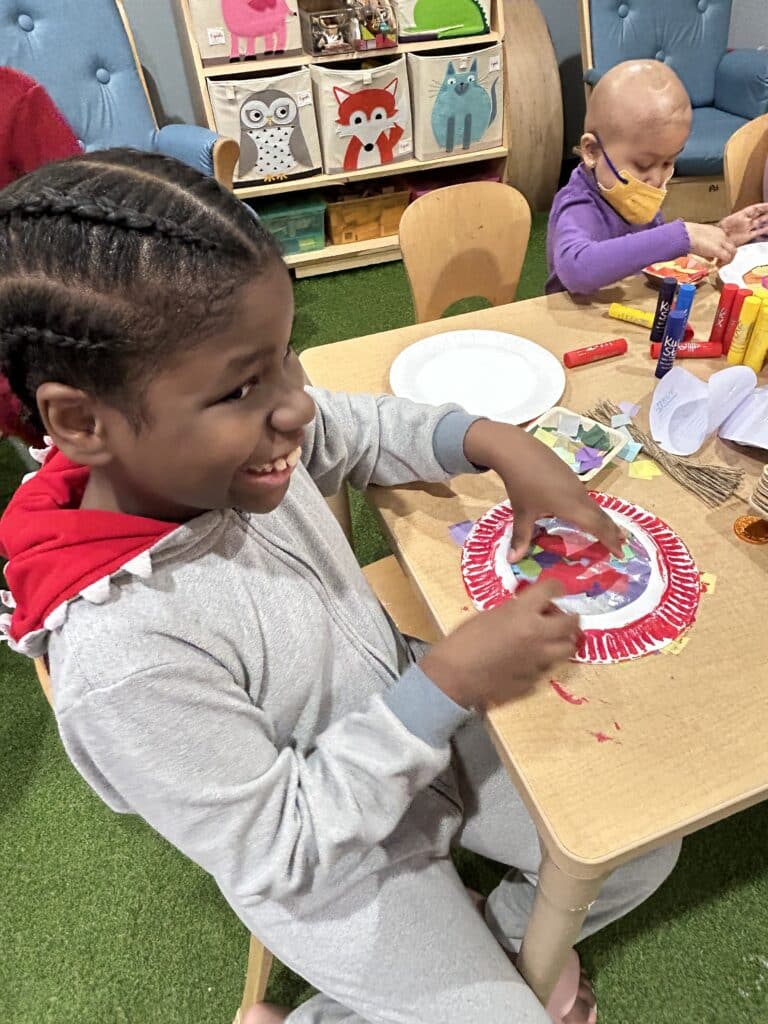
Volunteers and partners make these moments possible. Stefanie noted the passion of longtime Weird Science volunteers, CoachArt (helping children create window art), and Hole in the Wall Gang Camp (leading families in DIY watercolor stamps). Their consistent presence brings expertise, creativity, and devotion.
And then there are the simple, essential joys: 90s classics like The Parent Trap and A Goofy Movie with spray cheese. Bubbles and face painting outside on the third-floor terrace. A Great Days trip to Van Leeuwen for ice cream to celebrate the last day of the NYC school year. None of it is complicated, but all of it matters.
Because the throughline of every children’s enrichment program at the House is this: kids first. Everything else follows.
Nel Barreto: Building Architecture for Care
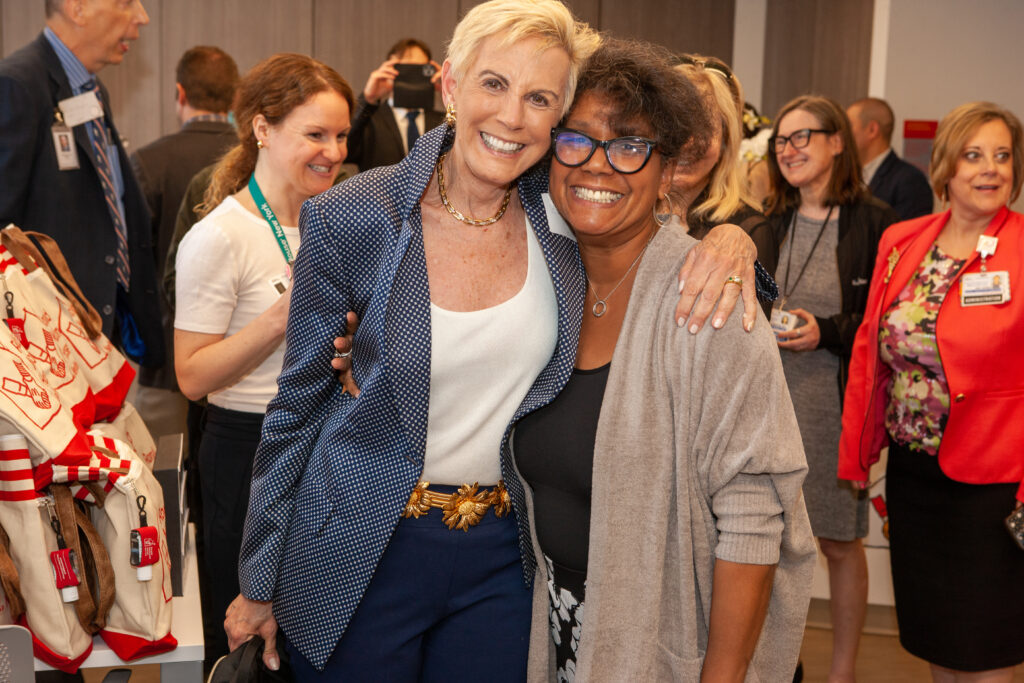
Before joining Ronald McDonald House New York in 2007, Nelida Barreto (pictured on the right) known as Nel built an impressive career in youth development. Today, she serves as the organization’s Chief Programs Officer. At the Boy Scouts of America, she helped create and develop Learning for Life, the BSA’s youth outreach subsidiary, expanding its reach from 1,500 to more than 95,000 children. She also designed innovative programs for children with emotional, physical, and developmental disabilities, as well as for underserved communities. The strategies and program models she pioneered became the foundation for her transformative work at Ronald McDonald House New York.
What Nel inherited was a House with a strong foundation. What she helped build over 19 years was an infrastructure of pediatric support programs that didn’t just serve children and families inside the building—it reshaped how the House thought about enrichment, belonging, and what ‘healing better’ actually looks like.
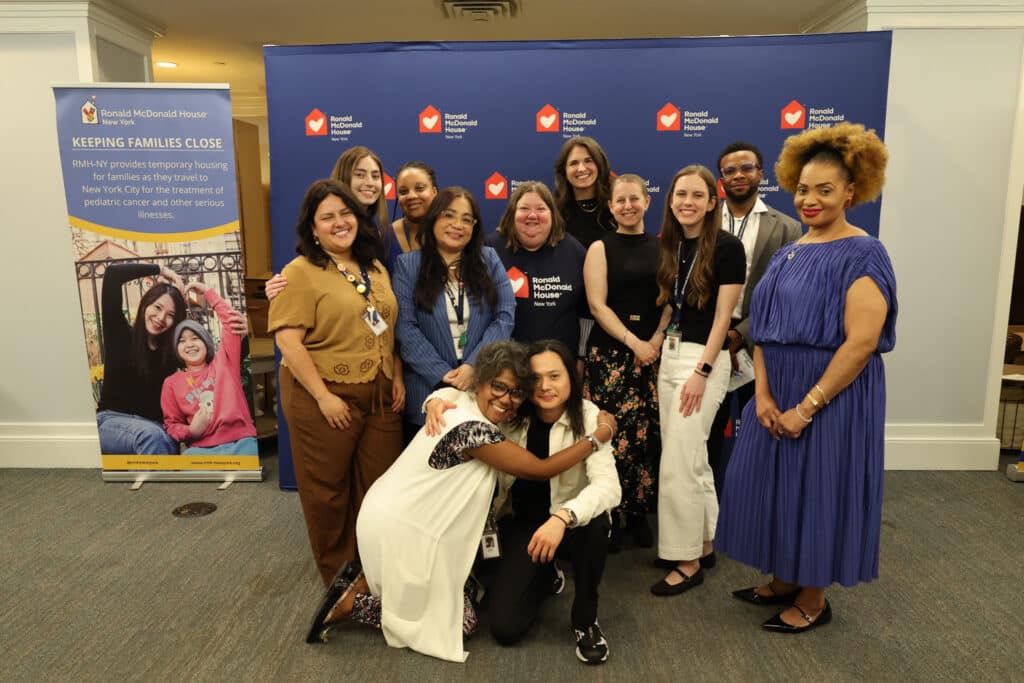
Her vision was clear: children’s enrichment programs are not extras. They are essentials. They reduce isolation. They give caregivers relief from constant vigilance. They help siblings feel seen. They offer children choice and agency in a season when so much is beyond their grip.
“Programs became our way of meeting families where they are,” Nel has said.
That philosophy meant building with intention. It meant creating experiences that keep children and young adults engaged, curious, and connected. It meant preparing volunteers not simply to supervise, but to genuinely interact, listen, and build meaningful relationships. Above all, it meant designing a space that offers a respite from hospital visits, and the constant weight of worry—a place where children, young adults, and their caregivers can simply be together, finding moments of comfort, joy, and normalcy in the midst of extraordinary circumstances.
The People Carrying the Vision Forward
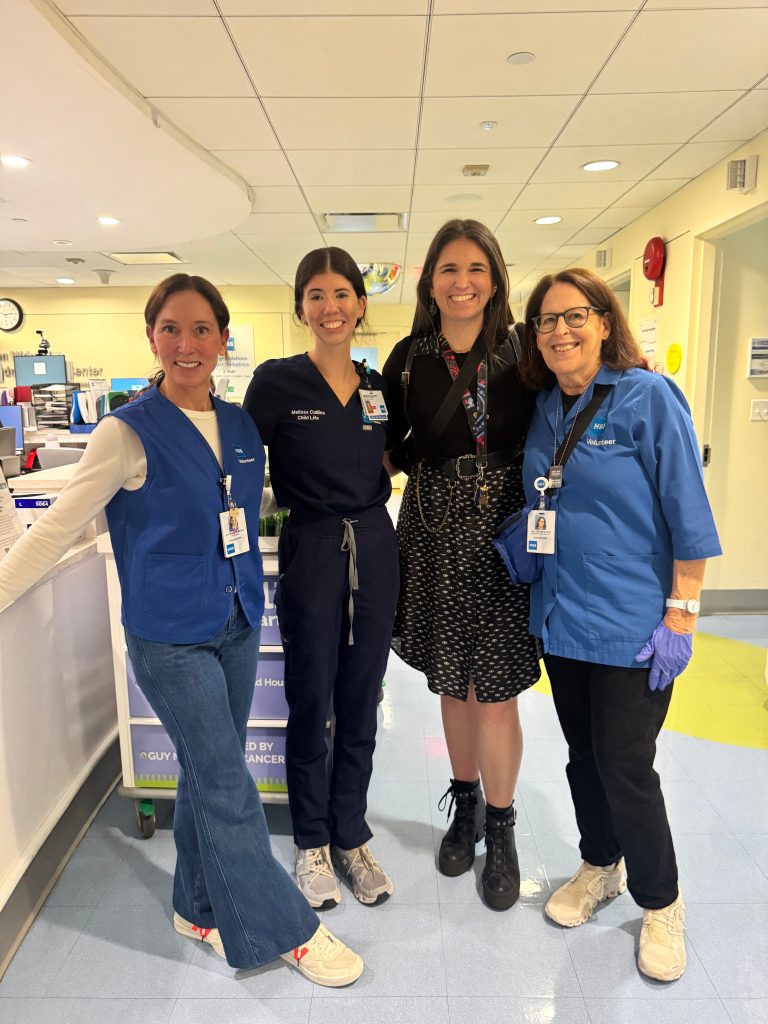
Today, the Children’s Enrichment programs at RMH-NY are carried forward by a team that understands Nel’s transformative work. Stefanie coordinates programming, and also runs House favorites like friendship bracelets and diamond art. Nadia Leonard, Enrichment Specialist, draws on her education background across arts and sciences, and even helps kids enroll in school, a reminder that healing includes joy. Jackie Sander, Programs Senior Manager, ensures that the day-to-day infrastructure Nel built stays strong and responsive to families’ needs.
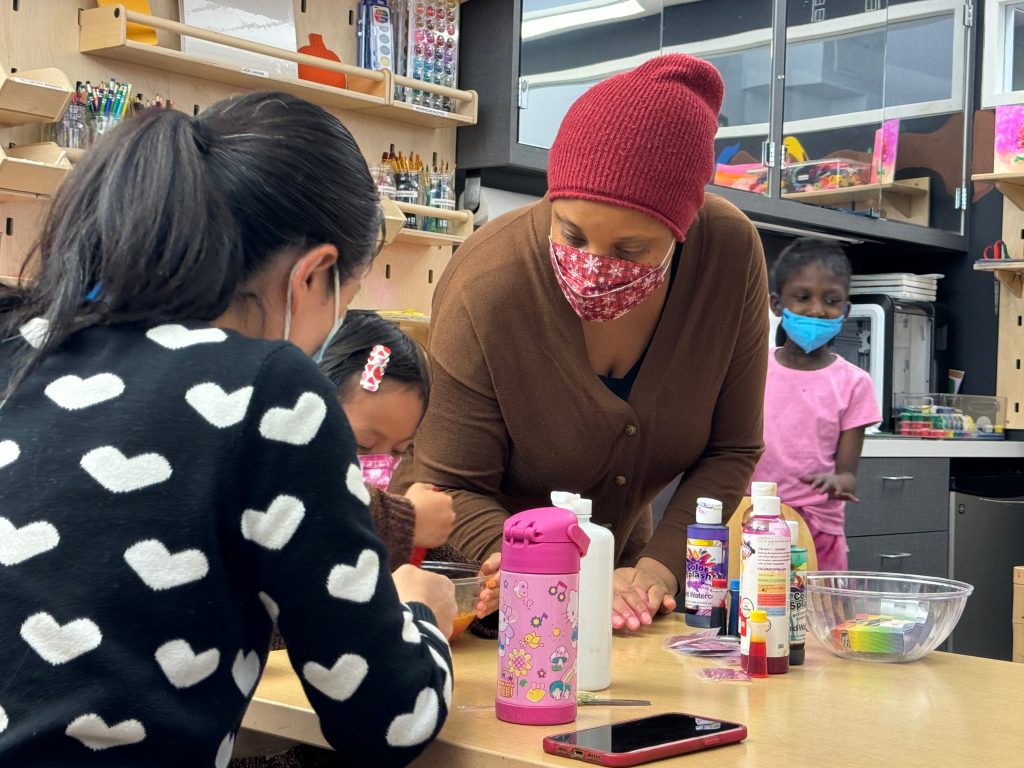
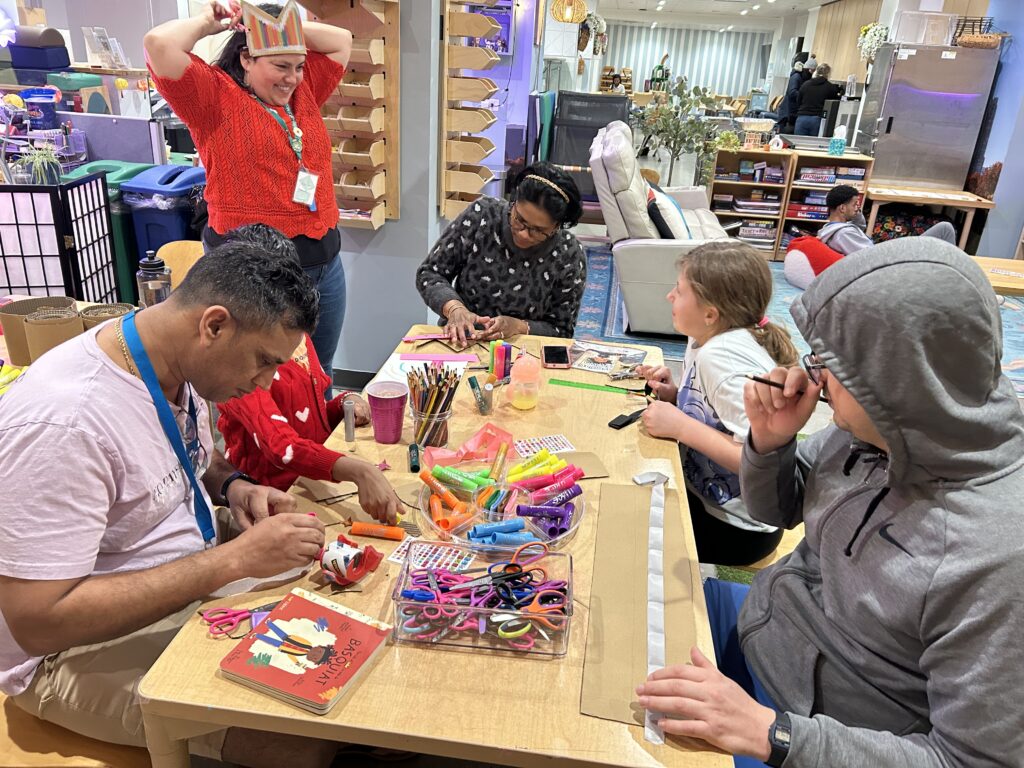
The House’s regular programming runs wider than any single activity: Slime Time, diamond art, friendship bracelets, Feature Fridays film nights, sensory play, voice and piano. Nadia’s work threads through all of it. Every craft activity. Every moment where a child makes something with their hands or just makes a mess that makes them smile. She understands that a child undergoing cancer treatment, recovering from a transplant, or watching a sibling receive care is not only navigating illness. They are navigating fear, isolation, disruption, and the loss of ordinary childhood routines. Her programs interrupt that loss. They say: you are still a kid. You still get to play. You still deserve joy. You still belong.
Jackie leads that creative process while ensuring that the systems like event scheduling, supply chains, and volunteer coordination run so smoothly that her team can do what they do best: observe, learn, and build new moments that matter.
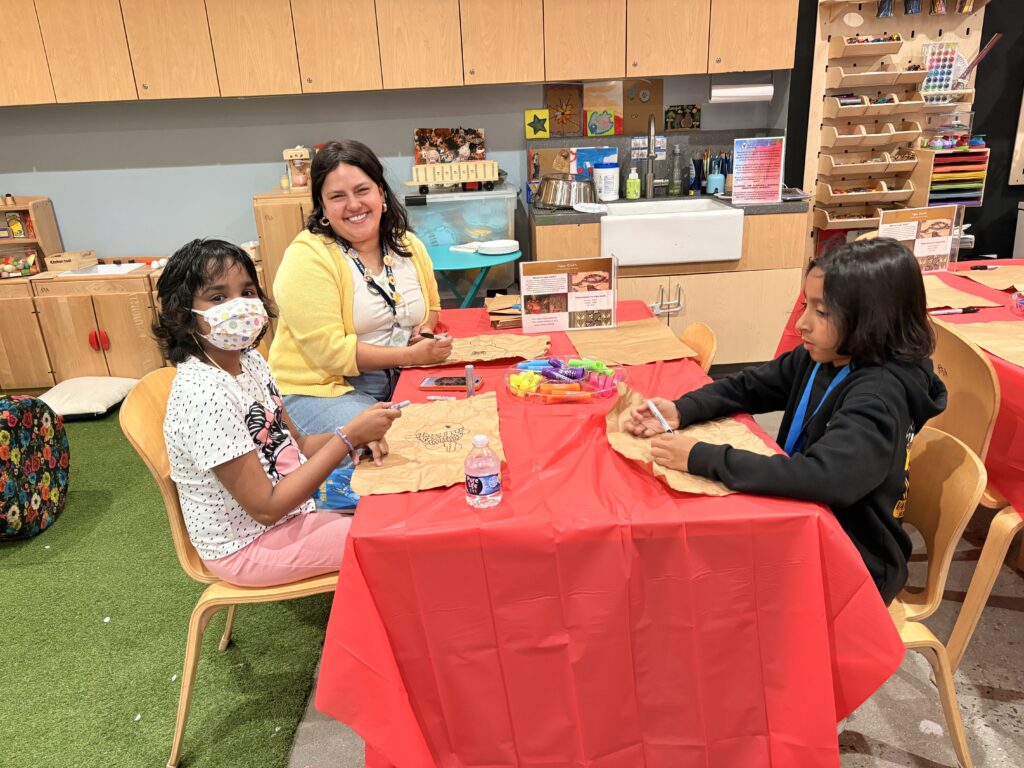
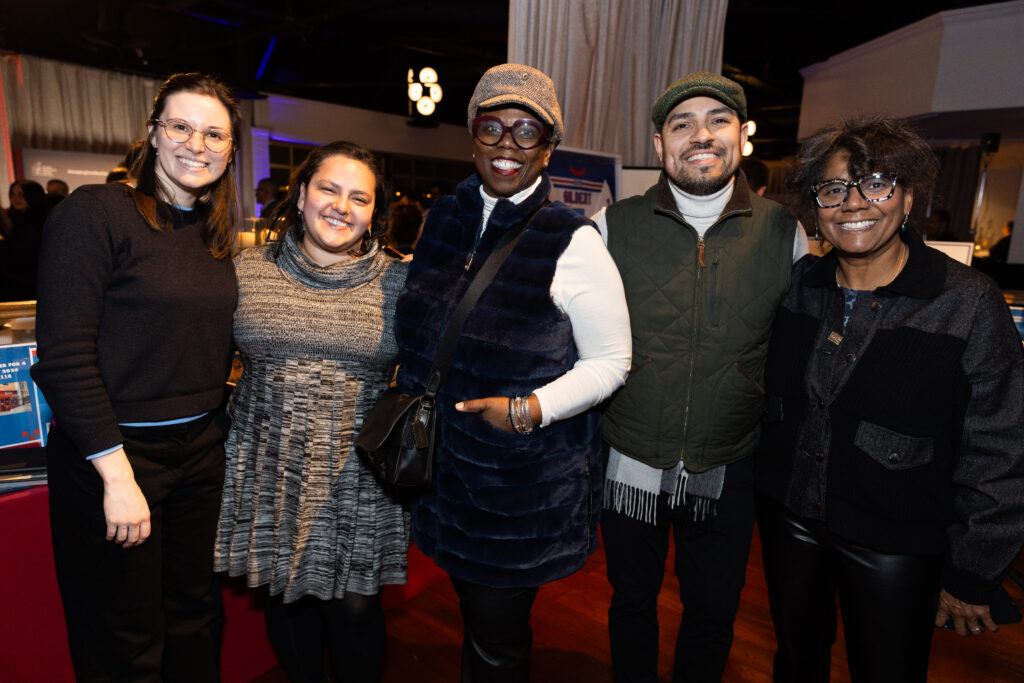
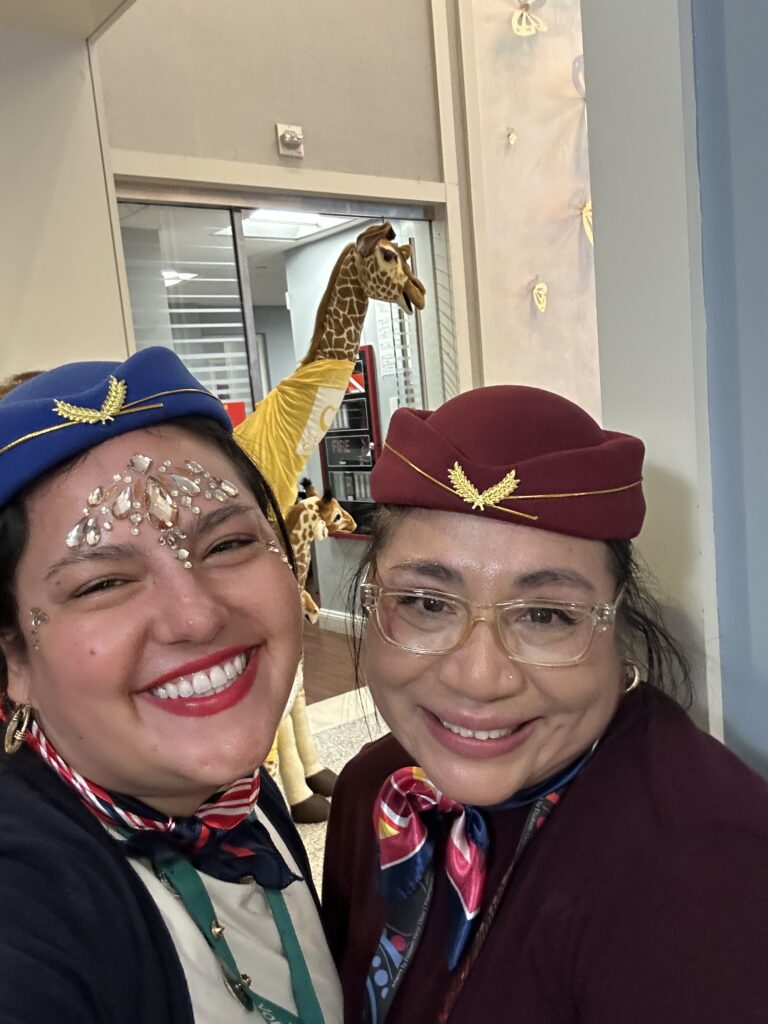
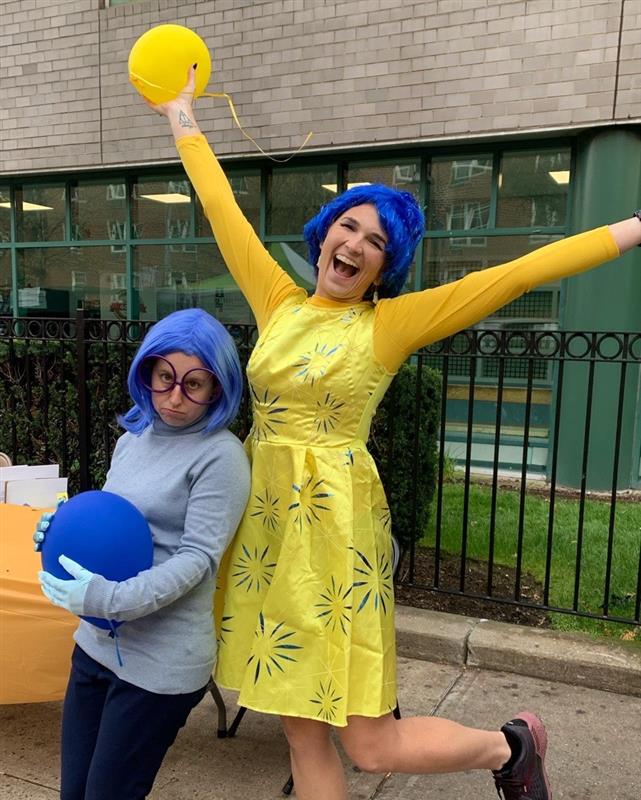
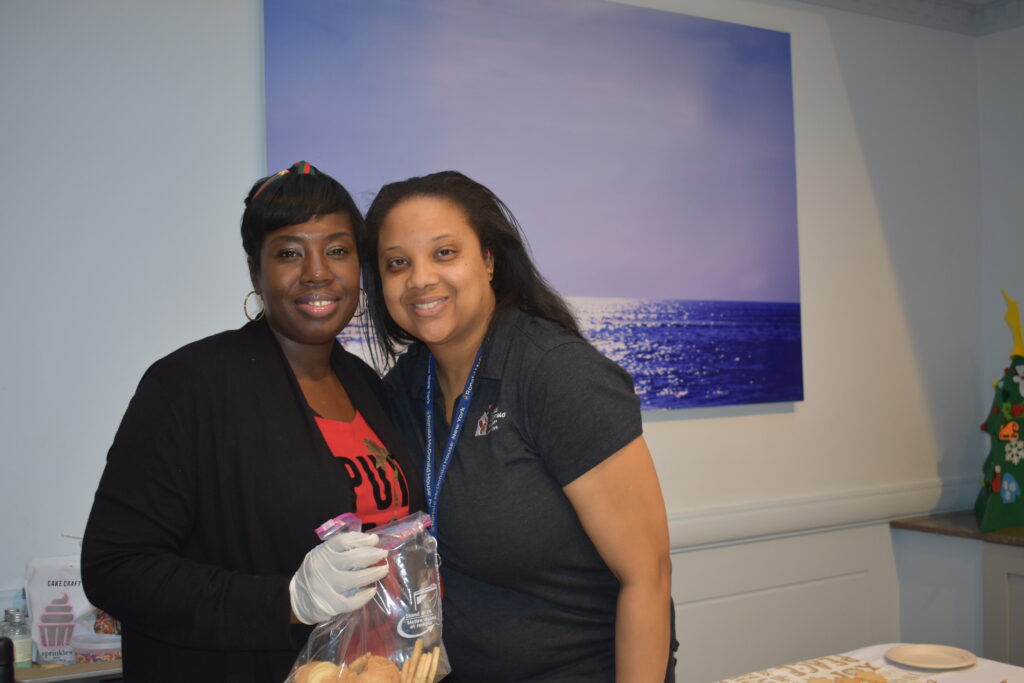
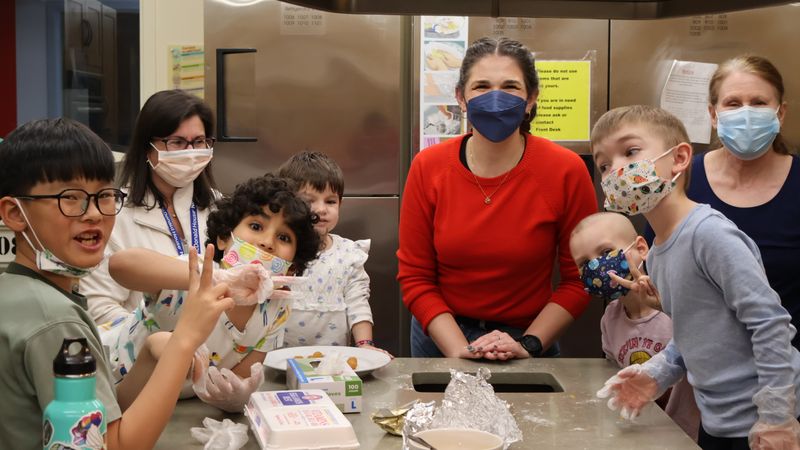
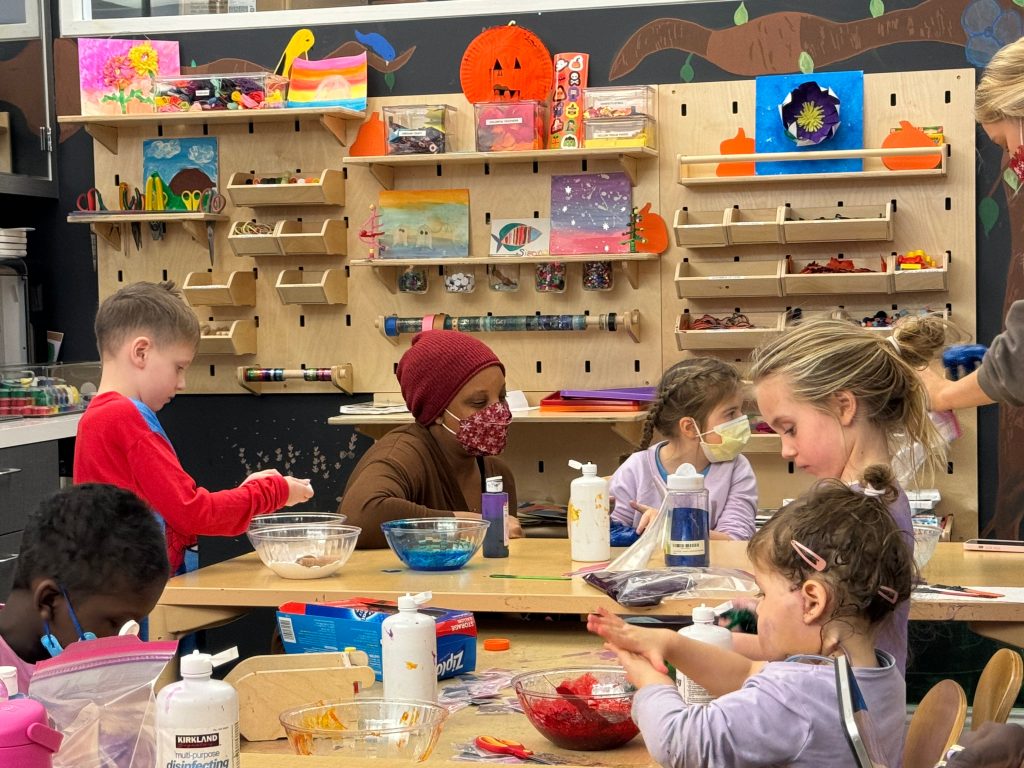
Children and Enrichment Team Photo Gallery (Jackie, Nadia, and Stefanie)
Reaching Beyond the House Walls
The team isn’t stopping there. Led by the newest addition to the team, Kristen, they are extending the Children’s & Enrichment Programs beyond the doors of the House 0n East 73rd street to bring a similar slate of activities to children at our partner hospitals through the relaunch of our Hospital Outreach Program.
What These Programs Actually Do
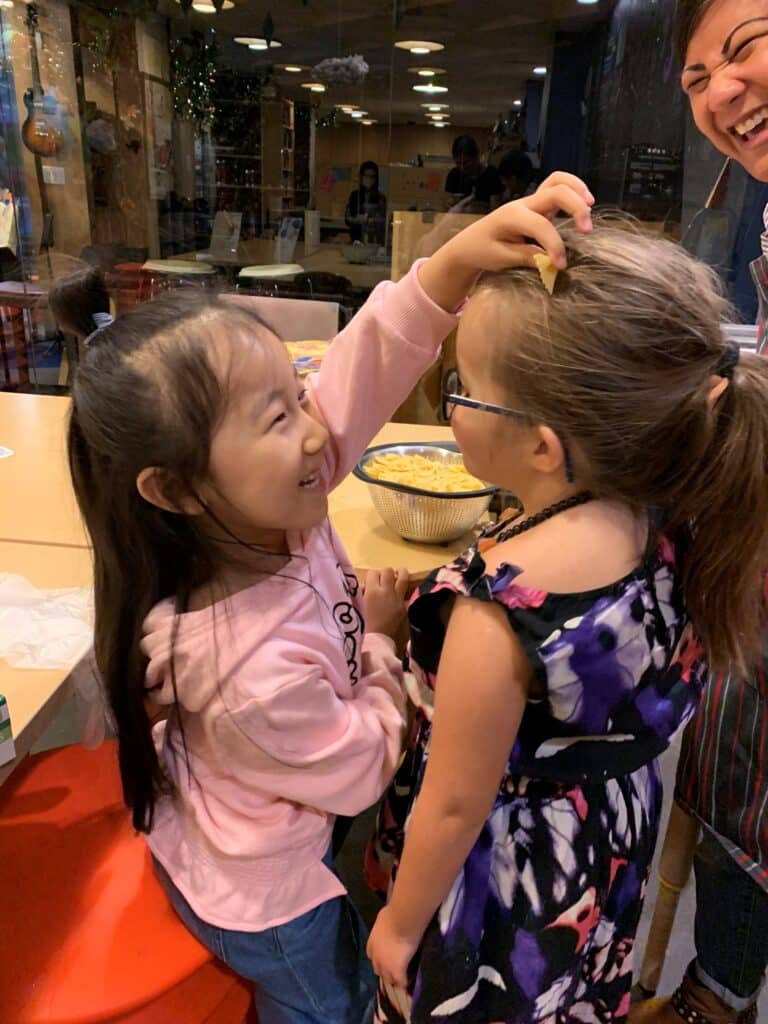
The Play Space sits at the heart of the House. It is not a room families simply pass through. It is a room they return to again and again. It is where siblings feel included when their brother or sister is the one receiving treatment. It is where parents watch their children laugh and remember that laughter is still possible.
Thomas is JoJo’s dad. They have been staying at the House off and on for many years while JoJo continues treatment for neuroblastoma at Memorial Sloan Kettering Cancer Center. Thomas said it best in a recent family interview: “We arrive at the House, and he disappears for the first four hours, at least. But I know exactly where he is the whole time.” JoJo looks at his dad and rolls his eyes. “Yep. The Play Space.” His dad smiles. “Every time. Without fail.”
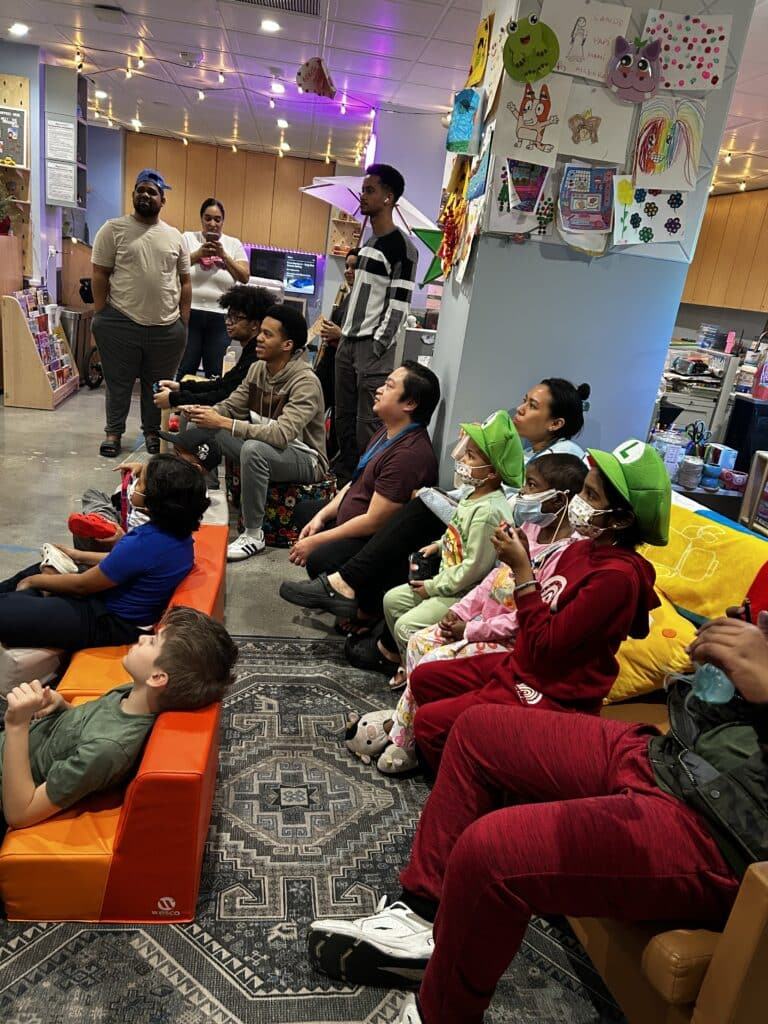
Over the course of 2025 alone, the House supported 12,618 children’s enrichment experiences. More than 9,235 of those were Play Space visits. Behind every number is a child who had something to do. A caregiver who had a moment to breathe. A family that got to play and felt less alone.
Summertime is filled with Great Days trips to zoos, museums, country clubs, kayaking outings, and ice cream shops give families reasons to leave the House together. Seasonal celebrations like Halloween and many other holiday parties create anchors in time throughout the year. Moments when a family can sit together, make something together, celebrate together, or simply remember how it feels to be together without illness taking up all the air in the room.
Playing and making music. Movie nights. Craft stations. Science experiments. Friendship bracelet making. Window art. Face painting. These are not frivolous additions to a medical crisis. They are essential part of how families survive pediatric illness.
Why This Matters
Illness isolates. Medical trauma can make a family feel cut off from everything that made them who they were before. Children’s enrichment programs at the House do not erase that trauma. They interrupt it. They say: you are still a family. You still get to create, celebrate, and play together.
Just ask the two-year-old.
The one who stood in own living room and asked his mom to take him home and meant Ronald McDonald House New York. He meant the Play Space, the friendship bracelets, the slime, the people who know his name.
He understood in a moment what took the rest of us a whole story to say.
This is home.
More Stories
-
-
-
-
-
-
Family
The First Night
For families arriving in crisis, the most important moment isn't the flight or the hospital visit. It's the first ten yards from the cab to our front door.
 Newsletter
  Family
  Family
  Newsletter