What a Real Superhero Looks Like: Angelica’s Story
In Honor of National Superhero Day – April 28th
We tend to picture superheroes a certain way. Capes. Powers. Origin stories involving radioactive accidents or distant planets. But the real ones — the ones you will never see on a screen — are quieter than that. They are nine years old. They have already survived a kidney transplant. And when a vacation turns into a cancer diagnosis in a city thousands of miles from home, they do not crumble. They make chicken curry. They make slime. They call an entire House their favorite thing. April 28th is National Superhero Day. This is a story about one of ours.
There is a particular moment in every family’s story when random circumstances collide with preparation. When the thing you planned for carefully, thoughtfully runs headfirst into something you never imagined. For Haimdat, Angelique, and their nine-year-old daughter Angelica, that moment arrived quickly and quietly, disguised in the form of vacation.
Angelica wanted to visit the New York City. That was it. No grand expectations. No elaborate itinerary. Just curiosity and the simple hope of seeing a place she had heard stories about all her life.
For a child who had already endured a recent kidney transplant, the trip felt like a prize for Angelica winning the Most Resilient Nine-Year-Old Ever award.
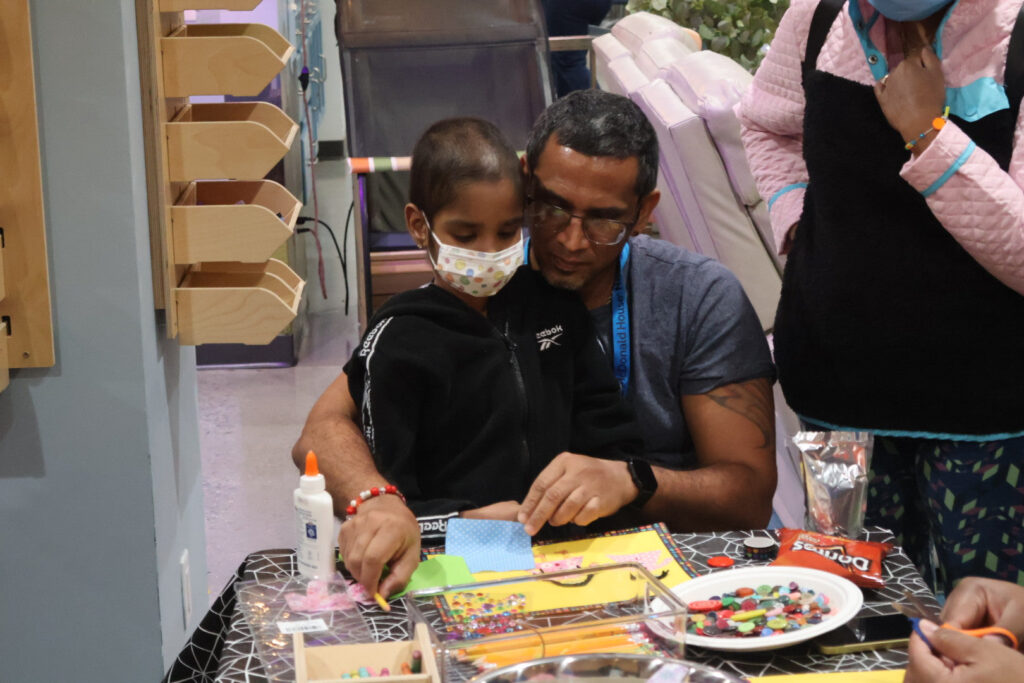
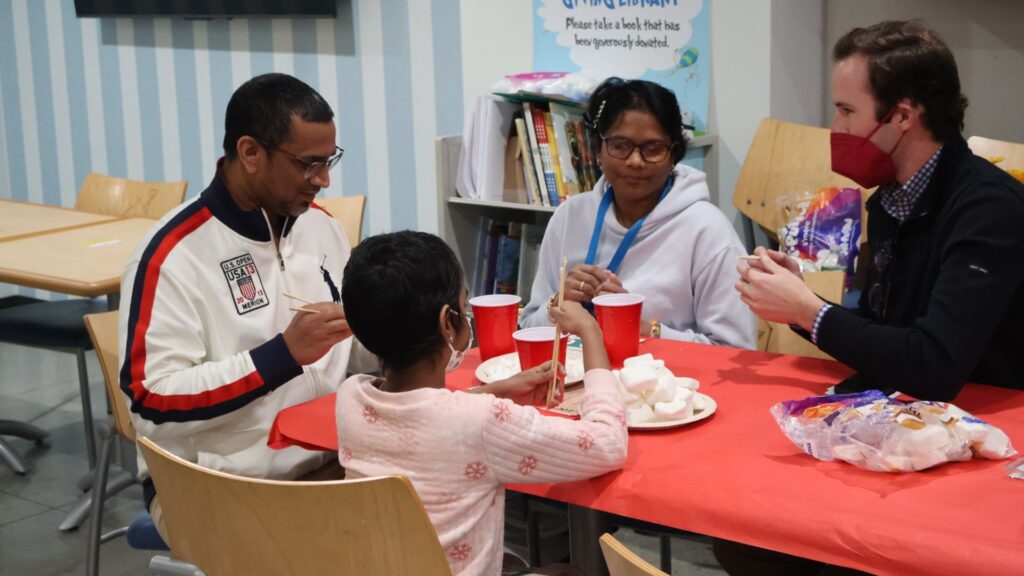
Top: Dad and Angelica work on a craft project together in the Playroom. Bottom: The Family at Thanksgiving Dinner
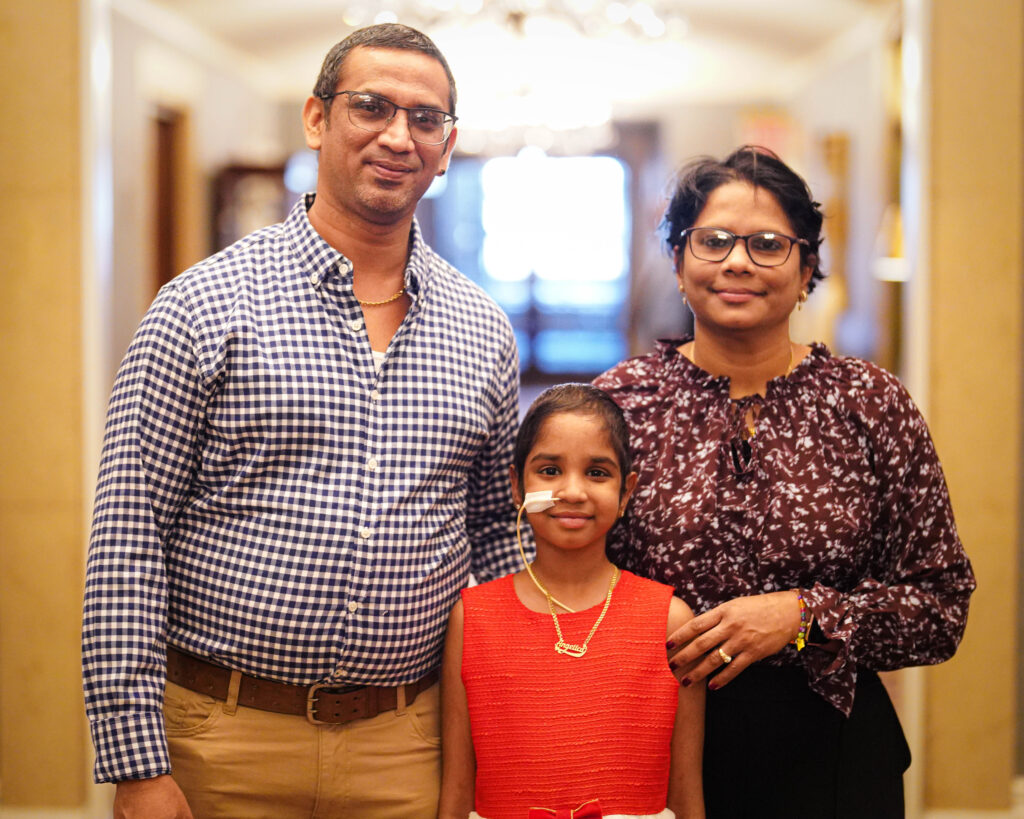
The whole family deserved a little time to relax.
The plan was modest. Three weeks. A birthday celebration. A pause from hospitals and routines. Then back home to Guyana.
Instead, the family stepped into a chain of events that would stretch across months, continents, and multiple hospital corridors—and ultimately redefine what care, safety, and community can look like when everything familiar disappears.
The Hidden Architecture of Everyday Life
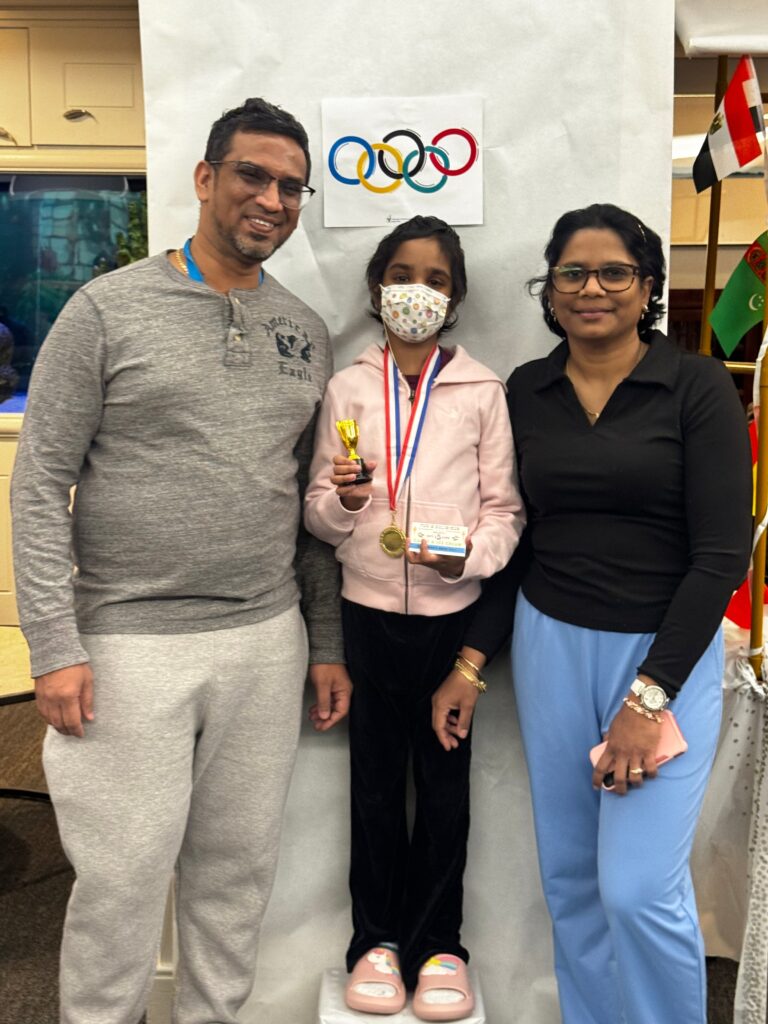
Celebrating Angelica, the Olympic Gold Medalist at the House
Before the trip, life followed a structure that was demanding but predictable. Angelique was home full-time, managing Angelica’s medical needs. Haimdat worked long hours to support the family. Their days were split by responsibility.
“Our life back home was very simple,” Haimdat explained. “My wife was a stay-at-home mom with my daughter’s condition. She basically took care of her, and I worked.”
However, their simple life masked a far more complex existence below the surface. Workdays stretched to 12 or 14 hours. Commutes swallowed evenings. Angelique and Angelica spent most of the week together, navigating medications and routines. It was a system designed for survival, not flexibility.
That structure matters. Because when illness enters a family, it rarely attacks just the body. It tests all family systems. It tends to ask what happens when structure fails.
A Vacation, Interrupted
When the family arrived in New York, nothing seemed urgent at first. Angelica mentioned pain in her neck. There was a little swelling. Her parents assumed allergies, maybe the climate change. But the swelling stuck.
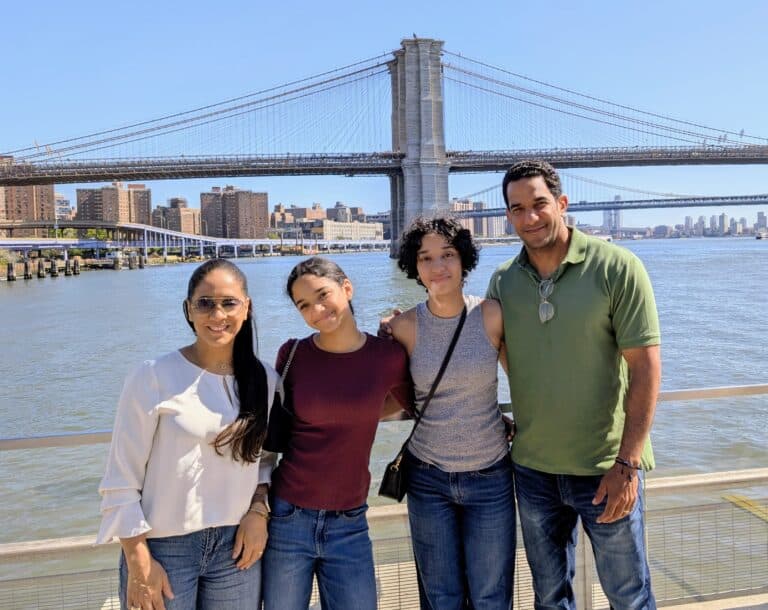
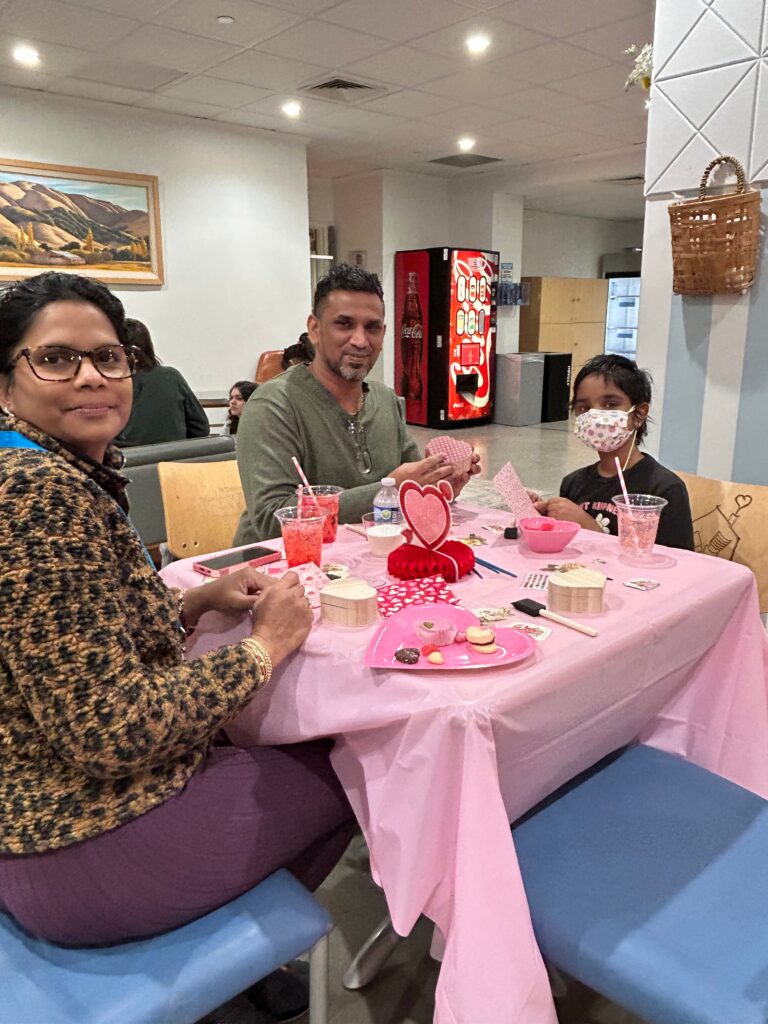
The family at Valentine's Day Dinner
What followed was a familiar but disorienting medical progression: one hospital visit leading to another, referrals stacking up, specialists stepping in. Soon, they were in Manhattan, facing pediatric specialists and answers they never expected.
Angelica was diagnosed with post-transplant lymphoproliferative disease, a rare form of cancer associated with organ transplants.
“We thought we would be in and out of the hospital in a day or two,” Haimdat said. “We never imagined that our holiday would turn into this.” Angelica and her parents arrived in New York City in July 2025. Three months later, in October, they moved into the House.
As of April 2026 — more than half a year on — they’re still here.
This is the moment where chance reveals its power. Had they not traveled. Had they waited. Had the swelling disappeared. But illness does not respect timing, and preparation does not guarantee protection.
"Post-transplant Lymphoproliferative Disease (PTLD) Post-transplant lymphoproliferative disease (PTLD) is a rare condition that can develop after a child receives an organ transplant. To protect the new organ, pediatric patients must take medications that weaken the immune system, so the body does not reject it. These medicines can also reduce the body’s ability to control certain viruses, especially Epstein-Barr virus (EBV). Although uncommon, PTLD is the most common cancer seen after pediatric organ transplantation. It often develops within the first year after transplant, which is why doctors closely monitor children with blood tests and imaging."
"Post-transplant Lymphoproliferative Disease (PTLD) Post-transplant lymphoproliferative disease (PTLD) is a rare condition that can develop after a child receives an organ transplant. To protect the new organ, pediatric patients must take medications that weaken the immune system, so the body does not reject it. These medicines can also reduce the body’s ability to control certain viruses, especially Epstein-Barr virus (EBV). Although uncommon, PTLD is the most common cancer seen after pediatric organ transplantation. It often develops within the first year after transplant, which is why doctors closely monitor children with blood tests and imaging."
Angelica had just received a kidney transplant.
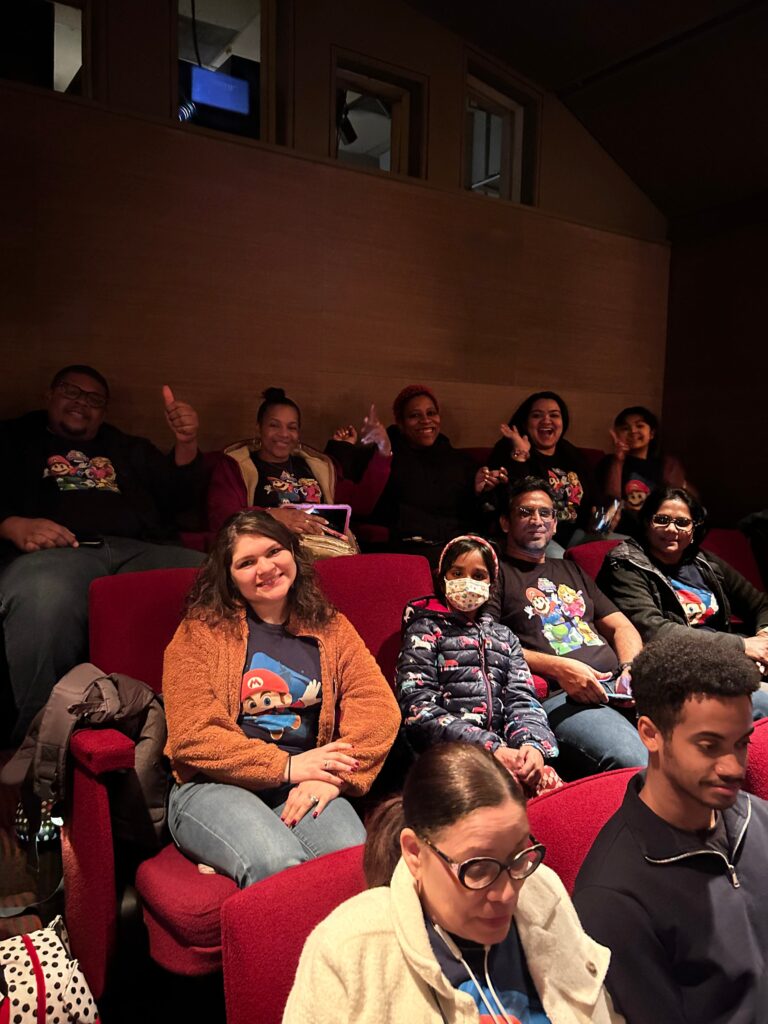
At Universal getting ready for their private screening of the Super Mario Galaxy Movie
The Long Middle
Cancer stories often focus on diagnosis and outcome. What they rarely examine is the middle: the stretch of uncertainty where families exist in limbo. For Angelica’s family, that middle lasted months.
Chemotherapy began. Complications followed. Angelique stayed with her daughter in the hospital day and night. Haimdat returned home to Guyana briefly to manage work and logistics, believing—hoping—that the separation would be temporary.
It wasn’t.
“It was very, very depressing,” Angelique said. “I was feeling so depressed because he was not with us, and I was just me and her in the hospital all the time.”
Watching the balloons on Central Park West on Thanksgiving morning.
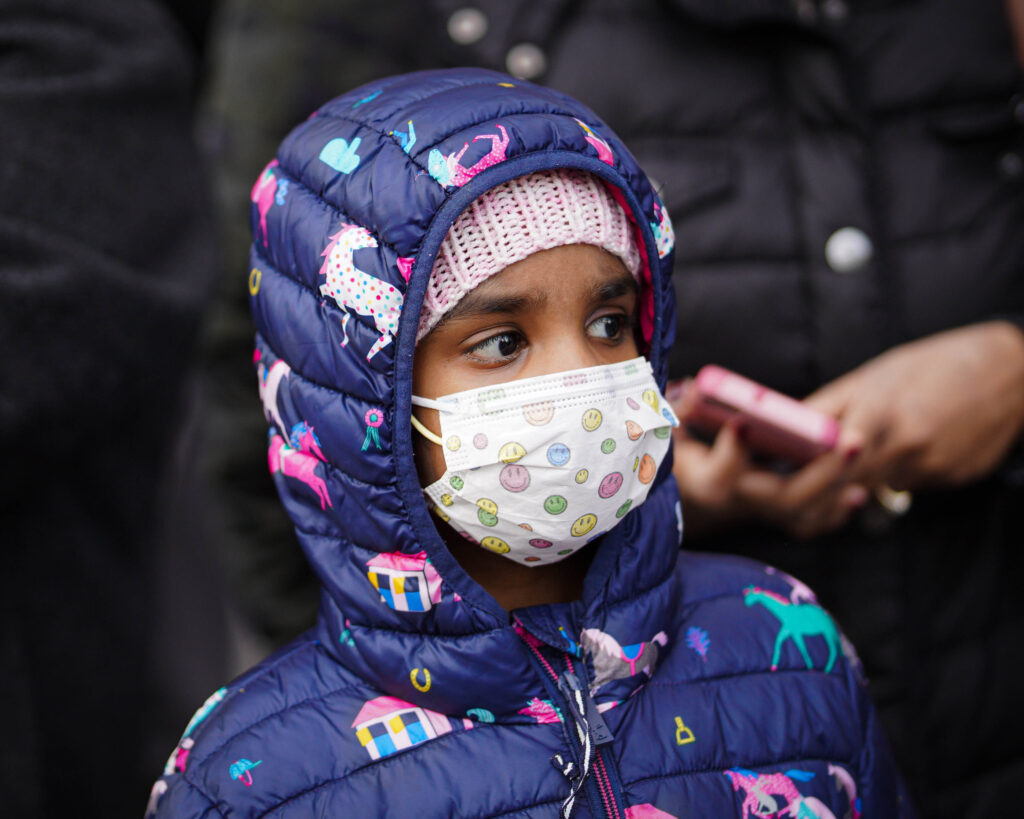
This is where pediatric cancer reshapes families. Roles blur. Emotional reserves drain. Mental health becomes as fragile as the physical. These are those secondary social determinants of health we rarely name, but always feel: isolation, exhaustion, uncertainty.
Eventually, Haimdat made the only choice that made sense. He left his job and returned to New York.
An Intervention That Wasn’t Medical
At some point, someone noticed the strain. A hospital social worker saw what the family was carrying: international visitors, limited local support, no stable housing, and a child in active cancer treatment.
The solution was not another medication. It was something altogether different. It was a place.
That place was Ronald McDonald House New York.
Ronald McDonald House New York provides free, temporary housing, meals, and emotional support to families whose children are receiving treatment for serious illnesses in New York City. By removing the burden of housing and daily logistics, the House allows families to stay together and focus on their child’s medical care during long and uncertain treatment journeys.
Haimdat and Angelica study the fish before running to treatment.
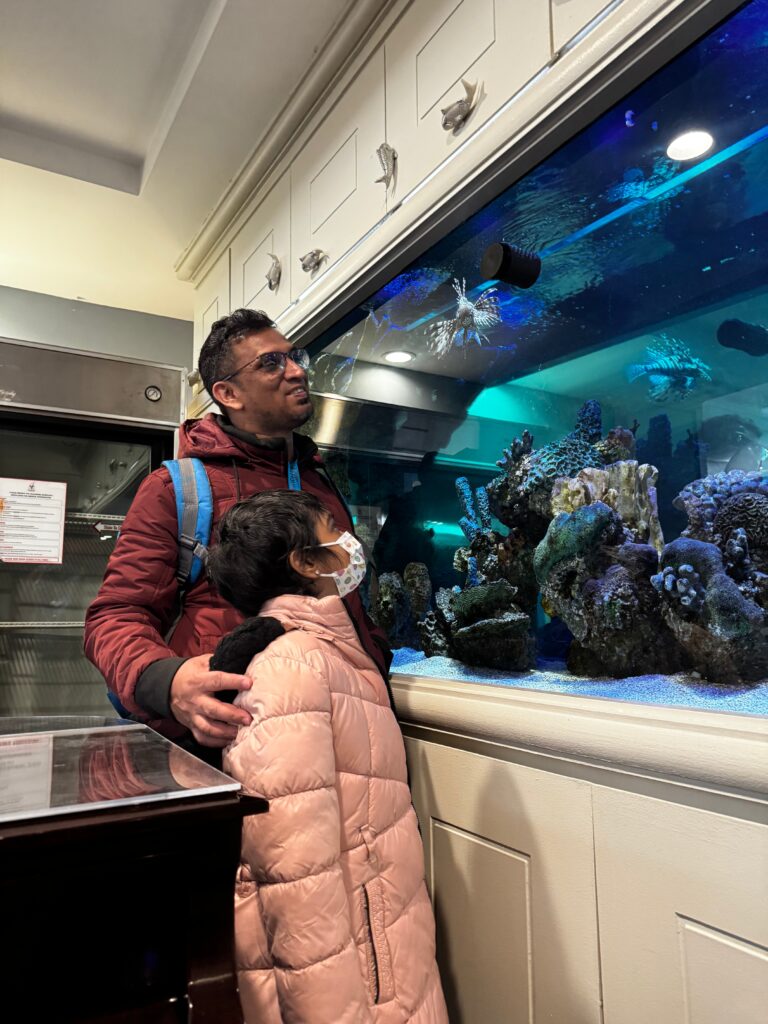
This was not charity in the abstract. It was a system designed to remove friction at the exact moment families can least afford it.
When the family was approved to stay, Angelica was still hospitalized. At first, the House functioned as a utilitarian space. Sleep. Laundry. Repeat. Haimdat moved between hospital and House, barely absorbing where he was.
But systems matter. Environments matter. And once Angelica was discharged, something shifted.
“Being in the hospital all the time takes a toll on your mental capacity,” Haimdat said. “Being outside of that environment helped her improve.”
This is not sentiment. It is structure. The House removed friction—housing insecurity, food access, transportation—and allowed the family to reallocate energy toward healing.
Why Childhood Cannot Wait
For Angelica, the House represented something radical: normalcy.
There were playrooms. Daily activities. Crafts. Slime-making. Seasonal events. All designed with safety in mind for pediatric patients.
Angelica and Jaliyah gather eggs on Easter morning!
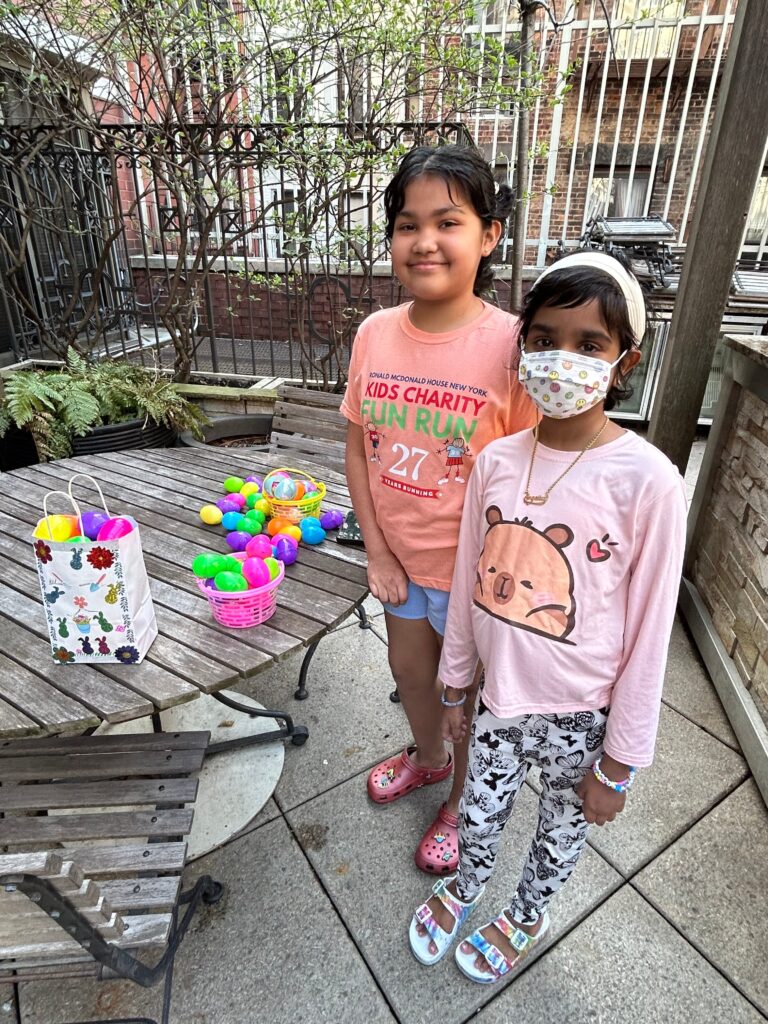
“With the activities here, she’s able to experience her childhood in a safe environment,” Haimdat explained. “The kids here are in similar situations, so it feels safe.”
This is holistic care in action. Medical treatment addresses disease. Environment addresses the person. For children, that distinction is everything.
When asked about her favorite part of the House, Angelica didn’t hesitate. “Everything.”
It is tempting to dismiss that answer as childlike. It isn’t. It is data. It tells us that when children feel safe, included, and engaged, healing looks different.
The Superheroes You Don't See on Screen
Every year, National Superhero Day falls on April 28th. It was created in 1995 to celebrate the heroes — fictional and real — who inspire all of us. But walk the halls of Ronald McDonald House New York on any given Tuesday, and the definition of Superhero expands.
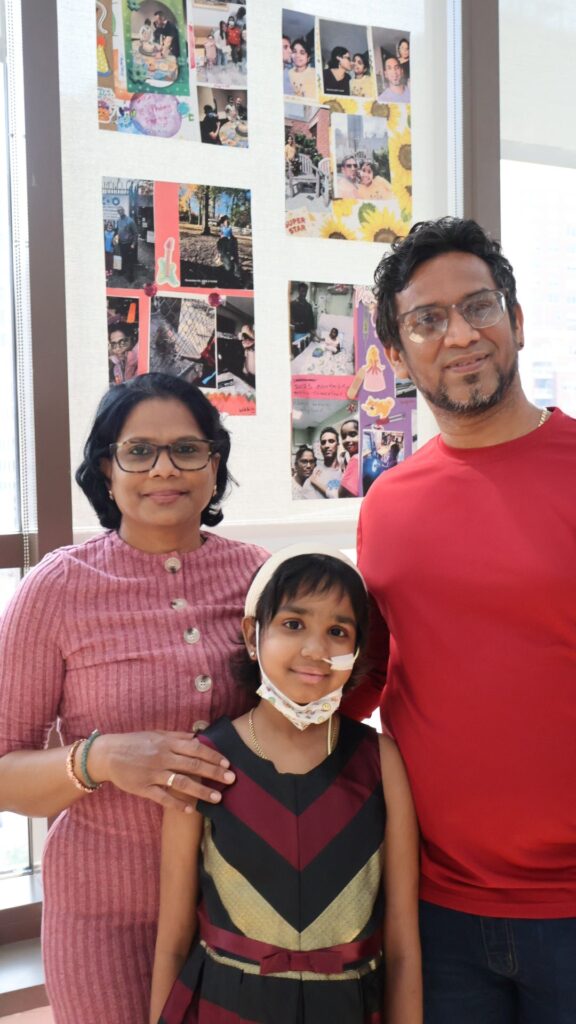
The Real Life Superhero, Angelica
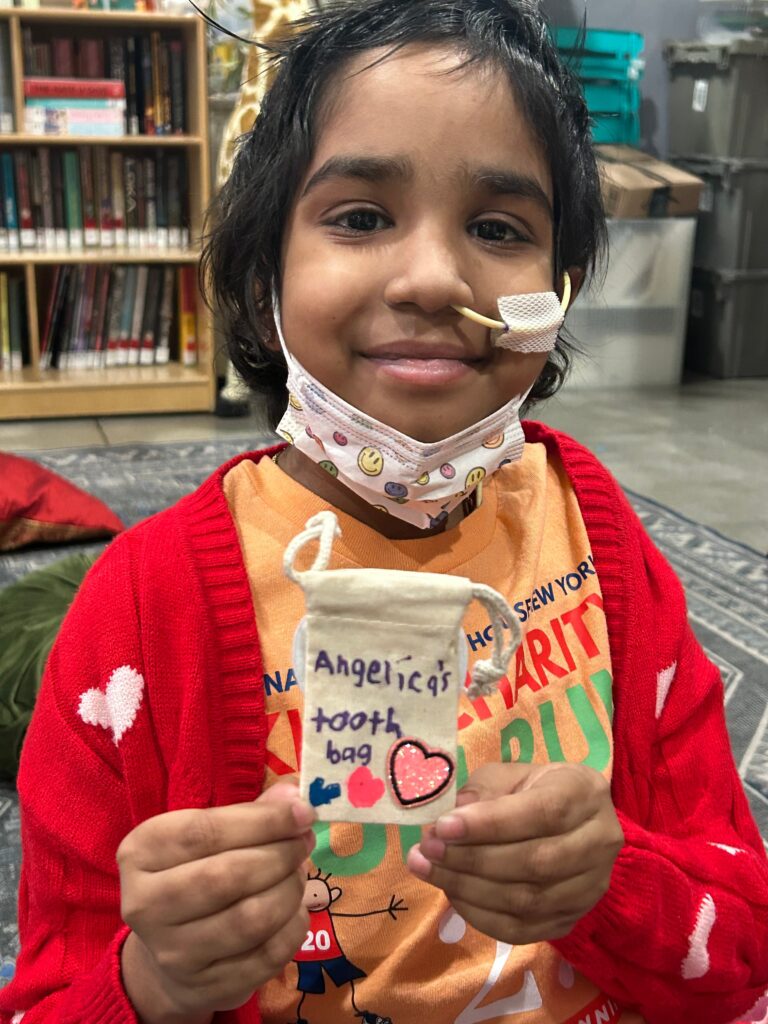
Superheroes, it turns out, are children managing chemotherapy. Parents who leave jobs and cross oceans to sit beside a hospital bed. Social workers who notice strain before it becomes crisis. Volunteers who show up without expectation.
Angelica would probably not call herself a superhero. She would probably say she just wanted to see New York. But resilience at nine — resilience after a transplant, after a diagnosis, after months away from home — is its own kind of power. The quiet kind. The kind that does not come with a cape but absolutely deserves one.
The Power of First Impressions
Angelique remembers the first moments vividly.
“When we came in, I said, ‘Wow, it’s a very nice house,’” she said. “From the front desk, everybody was so nice and friendly. It was amazing for us.”
That initial warmth matters more than we acknowledge. It signals safety. It lowers defenses. It tells families—often traumatized by months of hospitals—that they can exhale.
“It gives you the opportunity to focus more on your kid,” Haimdat said. “I can spend more time with her.”
This is family centered care at its most practical. Remove distractions. Restore agency.
The family enjoying a night of games with RMH-NY volunteers.
Ask Haimdat what mattered most, and he does not list programs.
“For me, relationships are what make things happen,” he said. “The relationships you develop here are the best value you take away.”
Support came from everywhere. Social workers helped navigate documentation. Staff assisted with transit.
Haimdat elaborated, “It’s not just one department. Every department helps where they can.”
This is the quiet infrastructure of care. The kind that rarely appears in policy discussions but determines outcomes, nonetheless.
Culture on a Plate
One evening, Angelica became guest chef. Angelica wanted Guyanese-style chicken curry, so Guyanese-style chicken curry was on the menu.
“Our cuisine is very diverse,” Haimdat explained. “We developed our own cultural identity. It was nice to share that.”
Food, in this context, became more than nourishment. It offered connection. It allowed the family to contribute, not just receive. In environments of illness, dignity often comes from participation.
Holidays as Anchors
Posing with Repelling Santa and Mrs. Claus during their visit
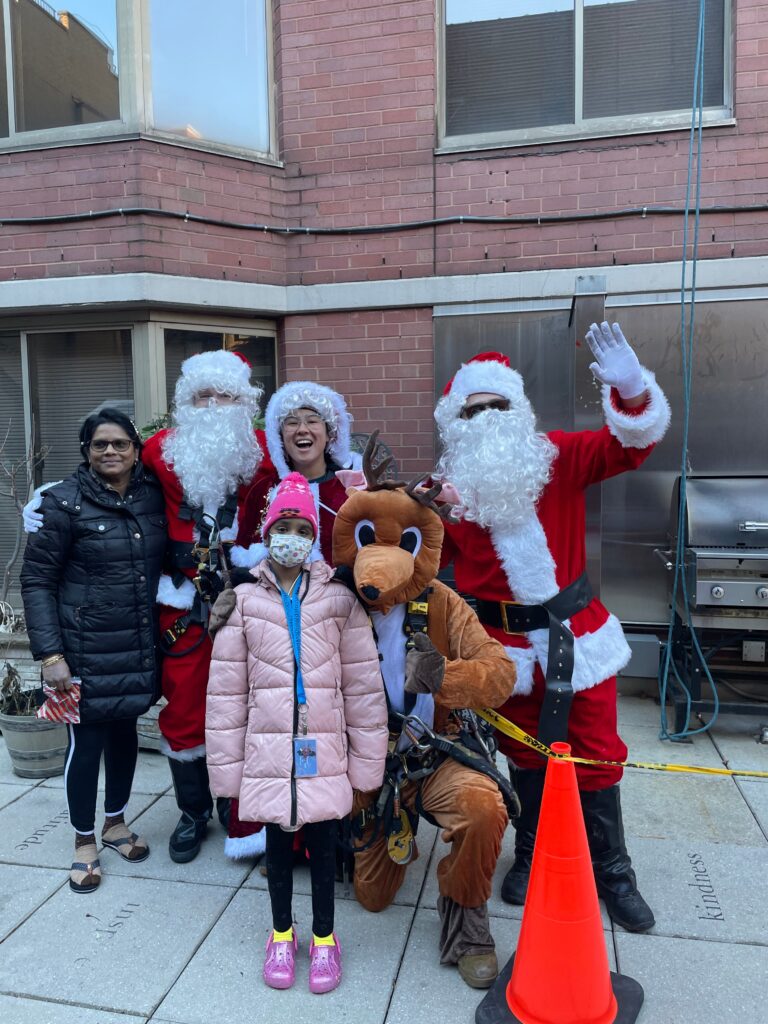
Angelica experienced a full week of Halloween, a Thanksgiving day that began with a front row seat to the Macy’s Thanksgiving Day Parade, meeting Santa no less than five times in one month, and the NYC winter season for the first time in this way. There were events that covered every theme. Decorations from Macy’s talented visuals team that transformed corridors into something festive.
“For us, everything is a first-time experience,” Haimdat said. “Even people who have lived here for years haven’t seen what we’ve experienced.”
These moments matter because they interrupt trauma. They remind families that time is still moving, and joy has not been canceled, only postponed.
A Medical Surprise
Angelica, the Great
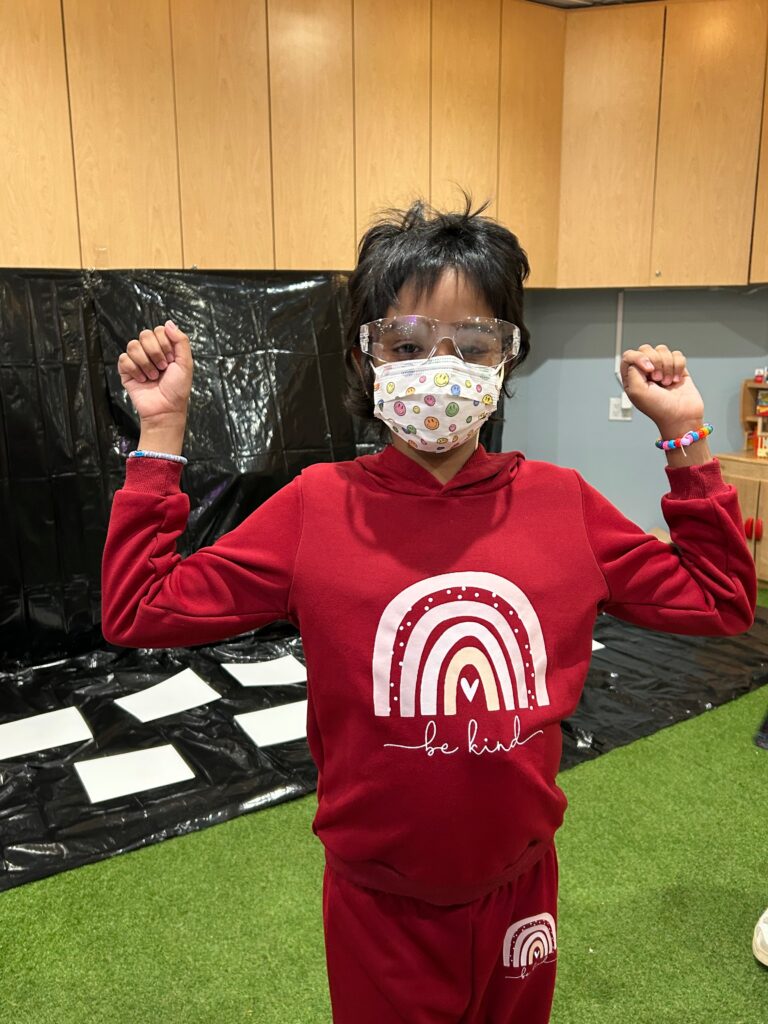
Then something unexpected happened. Angelica’s health improved—without additional chemotherapy.
After one cycle, her condition continued to progress positively. Doctors were surprised. Cautious, but optimistic.
“It’s almost like two or three cycles,” Haimdat explained. “Everybody is amazed.”
The plan now involves a gentler regimen. Fewer cycles. A clearer path home.
What the House Really Provides
When asked what he would tell a family arriving for their first night, Haimdat paused only briefly.
“It is a safe space,” he said.
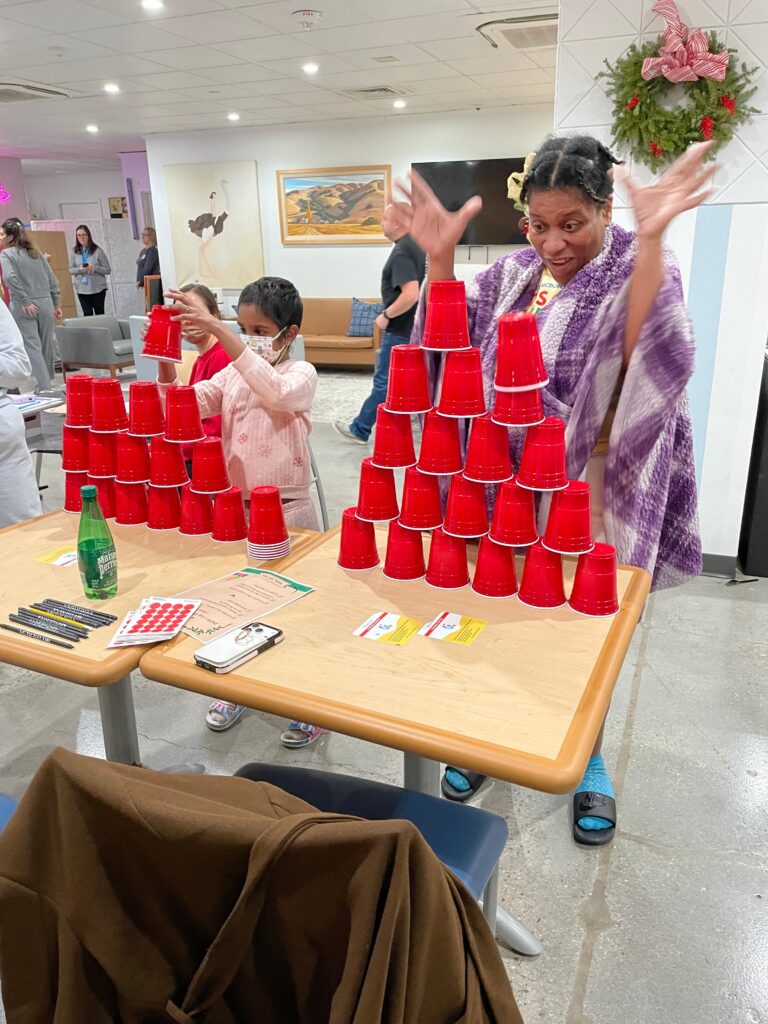
Beating Melissa at a crazy round during Reindeer Games during 31 Days of Cheer.
That phrase—safe space—is often overused. Here, it is literal. Physical safety. Emotional safety. Cultural safety.
“Ronald McDonald House is a blessing,” Angelique said simply.
And when Haimdat reflects on supporters and donors, his message is precise.
“The funds people give really do go a long way,” he said. “They give families the confidence and ability to care for their children.”
What Remains
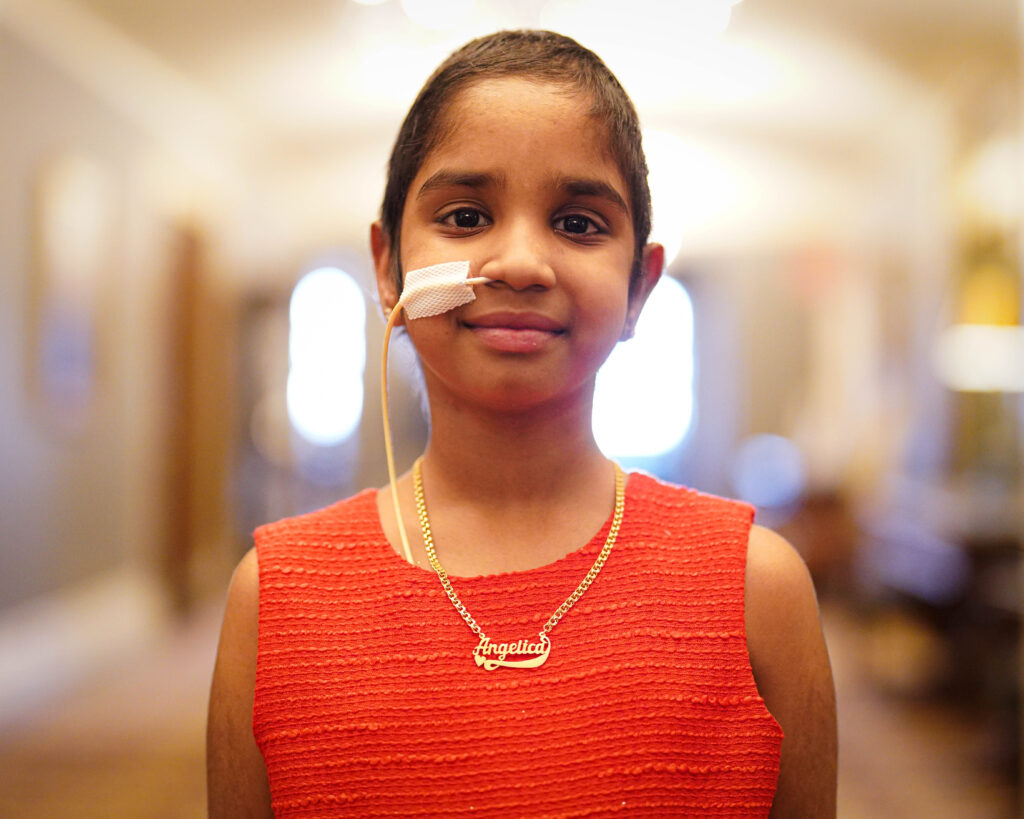
Angelica on the 3rd floor terrace
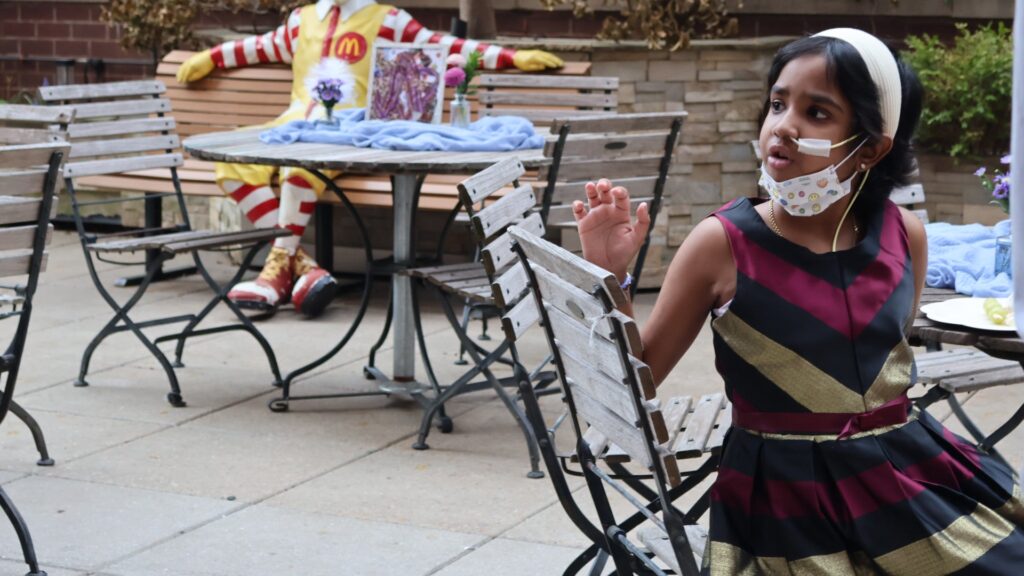
Angelica’s journey is not over. But it is no longer defined solely by illness. It includes play, connection, culture, and hope.
When Haimdat imagines leaving, he doesn’t mention the building.
“For me, it’s going to be the relationships,” he said. “That’s what I’ll miss most.”
That is the lesson embedded in this story. Healing is not only about what is administered. It is about where—and with whom—it happens.
And sometimes, the most important intervention is not found in a hospital room, but in a House that understands exactly what families need when everything else has been taken away. Every child who walks through these doors is carrying something heavier than any of us can see. Every parent beside them is holding more than any of us can measure. If that is not heroic, nothing is. This National Superhero Day and every day, we celebrate them — not for the battles they chose, but for the ones they could never walk away from.
 Newsletter
 Family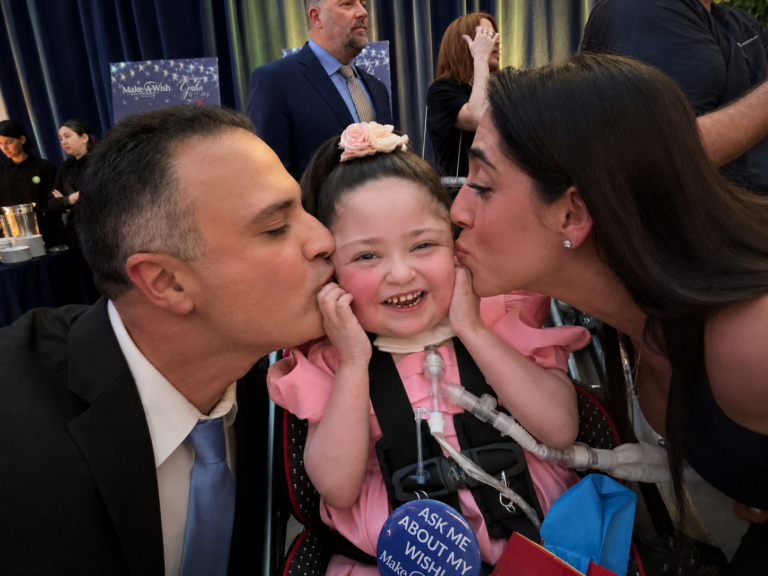
 Family
 Staff
Staff