
The Boy Who Collects Hats: An RMH-NY Family Story
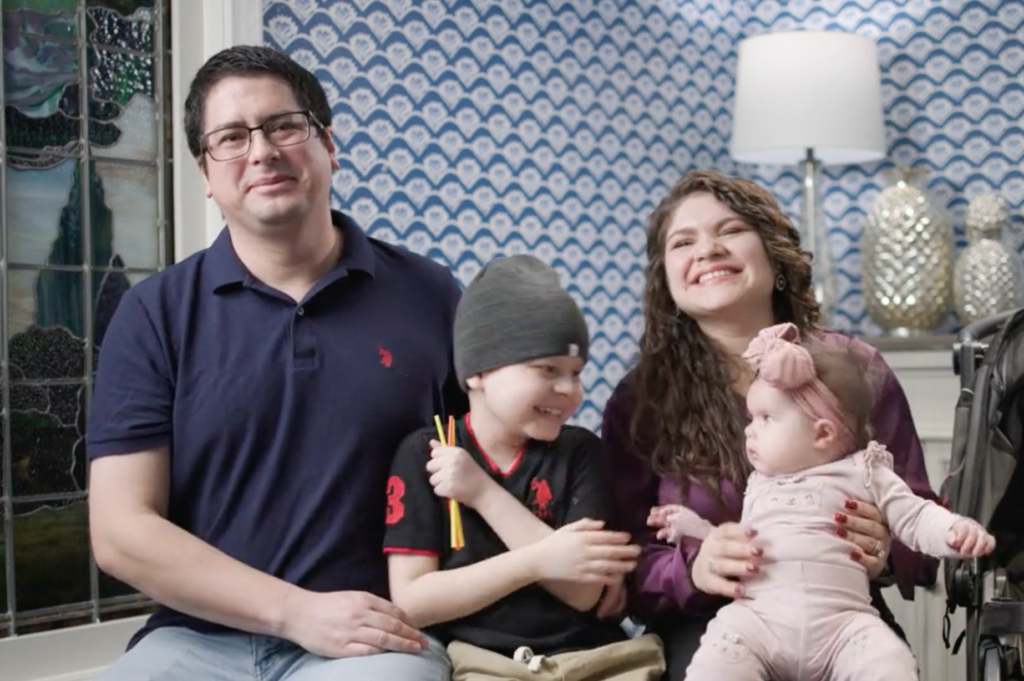
Santiago collects hats.
No. Not the scary kind like Hannibal Lector or Pennywise would collect. The useful kind. The joyful kind. The kind you wear. The kind that snap under your chin and allow you to be anything you want to be.
On any given Tuesday, or Friday for that matter, Santiago might arrive wearing fuzzy ears that suggest he recently escaped from a forest with polarizing opinions about acorns. Another day, a soft animal hood—half lion, half eagle. And sometimes, when the day calls for seriousness, a baseball cap pulled low, as if to say: I am here for business, but I will still play.

This is how you identify Santiago in a room. Not by volume. Not by demand. But by the gentle authority of imagination. His hats are not costumes. They are moods. Weather systems. Small declarations of resilience perched carefully on his head.
Santiago—Santi, when the room feels kind enough—is the youngest philosopher in a very serious story. And this is his story, told from the inside out.
Where the Map Stops Being Helpful
Santiago’s family comes from a place where distance shapes every decision. When someone gets sick, care is never around the corner. It is hours away. It is uncertainty stretched across highways. It is the constant calculation: distance + time + fear.
Santiago had cancer.
There was no easing into it. No gradual understanding. Just a sudden shift that forced the family to move—fast. Appointments stacked on appointments, each one farther from home than the last. What began as concern turned urgent, and urgency left no room to stand still.
And if the moment had not already demanded urgency, it did now: Maria Fernanda, Santiago’s mother, was seven months pregnant, only weeks away from welcoming their second child—a little brother or sister for Santiago.
They packed quickly. Not just clothes, but hope, courage, and a kind of exhaustion that settles deep. The care Santiago needed was not nearby, and waiting was not an option. So, they followed the only path forward, even as it pulled them farther from everything familiar.
New York City was never the plan. It was the answer.
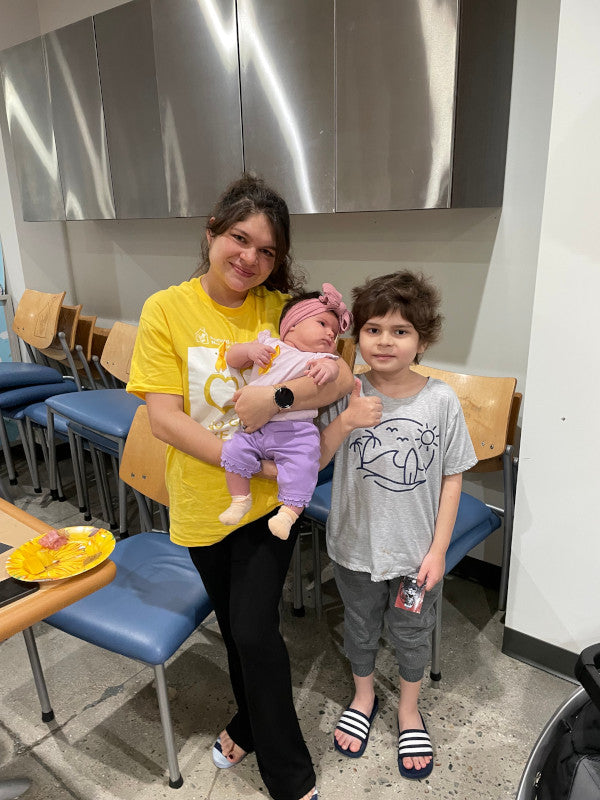
By the time they arrived, they were carrying more than luggage. They carried the weight of every mile behind them—and no clear sense of what was waiting ahead.
What they didn’t know was that they were journeying toward a building that behaved less like architecture and more like a living, breathing thing.
A House That Learned How to Listen
The first day is remembered clearly, and not because it went as expected.
María Fernanda, Santiago’s mother, admits they assumed it would be hard. Not emotionally—that had been hard from the beginning—but logistically. Confusing. Cold. Overwhelming. It was New York City.
Instead, they arrived at 405 East 73rd street and walked into a place that smiled at them.
Not metaphorically. Literally.
Smiles stretched wide. People who did not rush them. People who explained things patiently. People who understood that when a family arrives carrying this much invisible weight, the smallest kindness feels enormous.
A man named Frederick gave the family a tour of the building. He called it The House. He explained mealtimes. Spaces. Rules that felt less like rules and more like reassurance.
Then came the keys.
Every key is a small miracle. Each key says: This door is yours or You belong somewhere tonight.
When the family opened the door to their room, they didn’t see luxury. They saw possibility. Safety. Space to breathe together.
“It was beautiful,” Fernanda says, and she means it the way people mean it when beauty is unexpected.
Her husband, Juan Alfonso, felt something else altogether.
Disorientation.
A different culture. A different rhythm. Familiar language rearranged. But layered beneath the strangeness was something stabilizing: support. From staff. From other families. From a shared understanding that no one arrives here by accident.
The Smallest Person in the Room
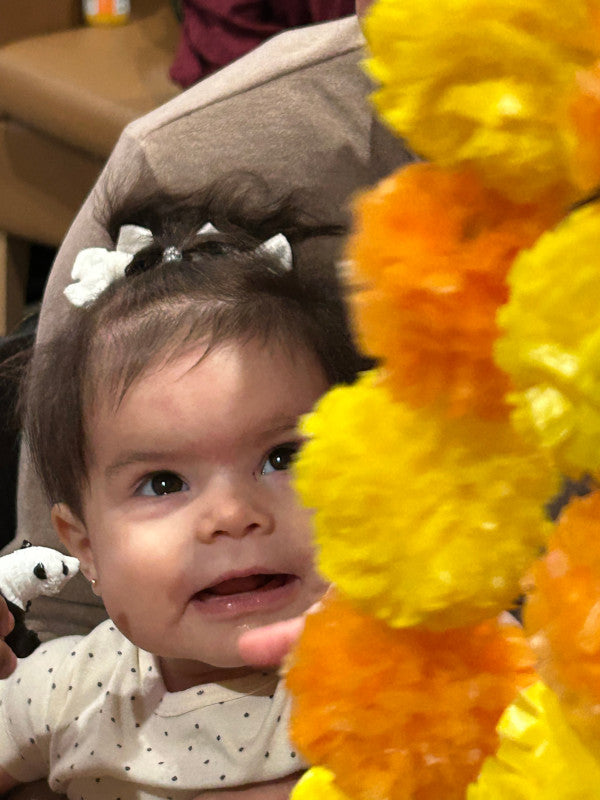
Elizabeth does not speak yet.
She does not need to.
She shifts slightly in her mother’s arms and the conversation pauses. Fernanda loses her place for a moment and smiles; the way parents do when a baby reminds them that some things matter more than finishing a sentence.
Elizabeth is the smallest person in the room, but the room keeps returning to her. Babies have that quiet power. A small movement, a soft sound, and suddenly the future feels very close.
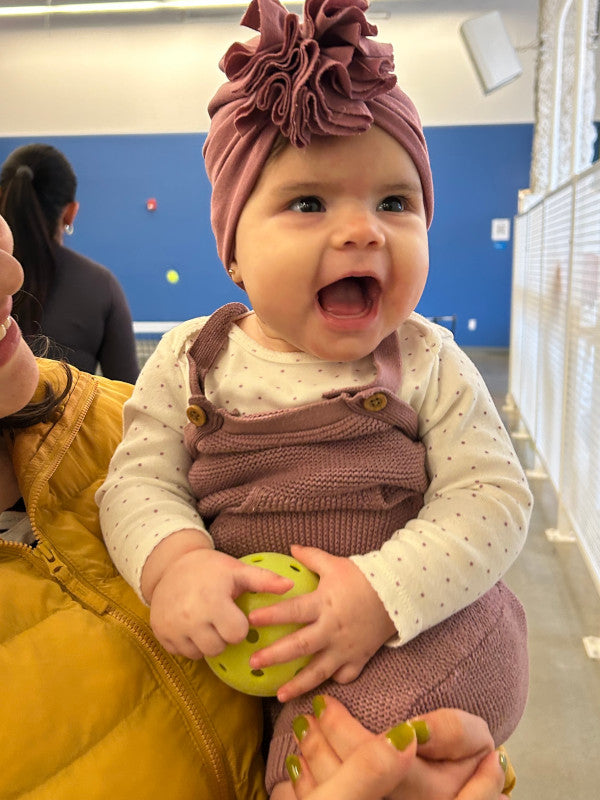
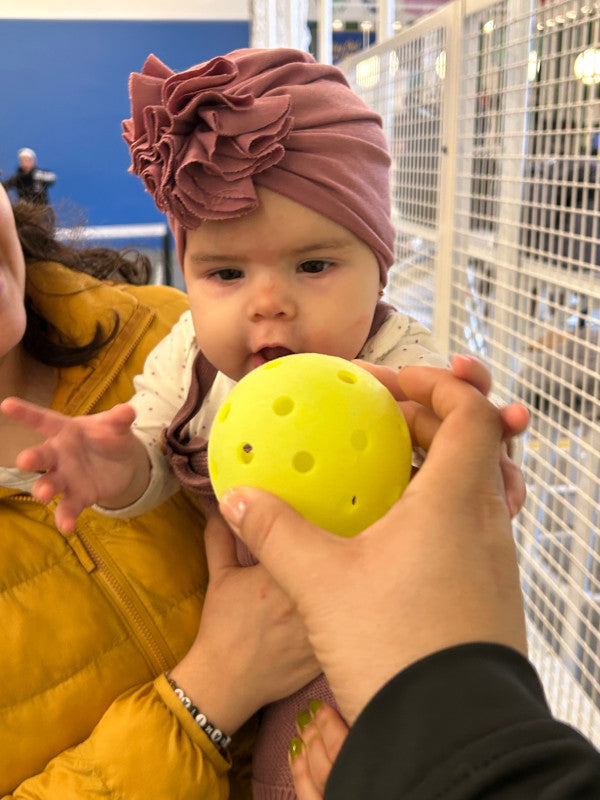
She has never known “home” the way the rest of the family does.
From the very beginning, her world has been Ronald McDonald House New York.
Fernanda was well into her pregnancy when Santi’s illness brought the family to NYC.. Life changed quickly. Hospital visits replaced ordinary routines. Plans shifted overnight.
And in the middle of all that, Elizabeth arrived.
Fernanda calls it a blessing.
Because here, in the middle of uncertainty, the House allowed her to slow down. With meals provided, transportation arranged, and a safe place to stay, the everyday burdens of life were lifted. No More math class.
“I can dedicate myself completely to the baby,” she says.
Elizabeth’s first months could unfold quietly held in her mother’s arms, watched carefully, without the rush that often surrounds newborn life.
She will not remember the House.
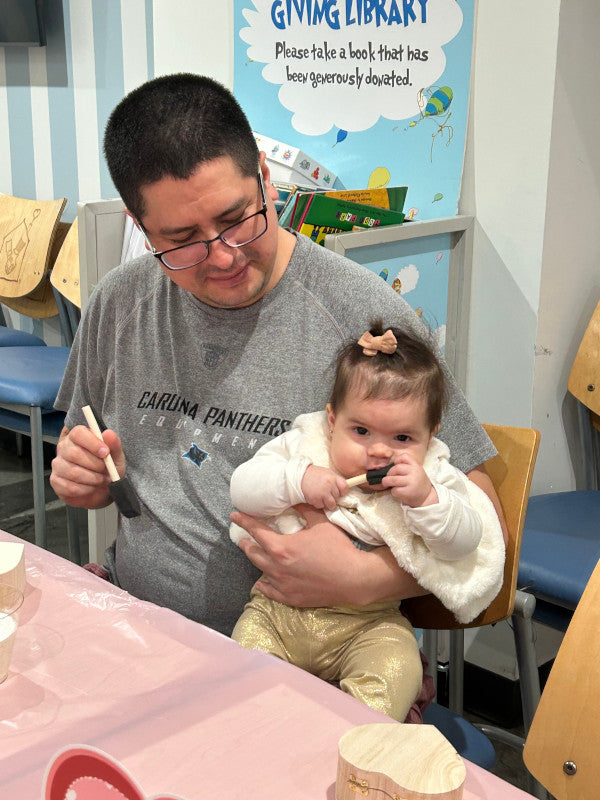
But her earliest days are shaped by it—by the stability it gives her parents and the space it creates for love to grow.
Nearby, Santi learns something too.
He learns how to be a big brother. He learns that attention stretches. That love does not divide when a new baby arrives—it multiplies.
Elizabeth says nothing during the interview. Well, except the occasional noise as she gets to know her vocal apparatus.
Mostly, she is the quiet heartbeat of the story.
Small, yes.
But essential.
A Census of the Unplanned
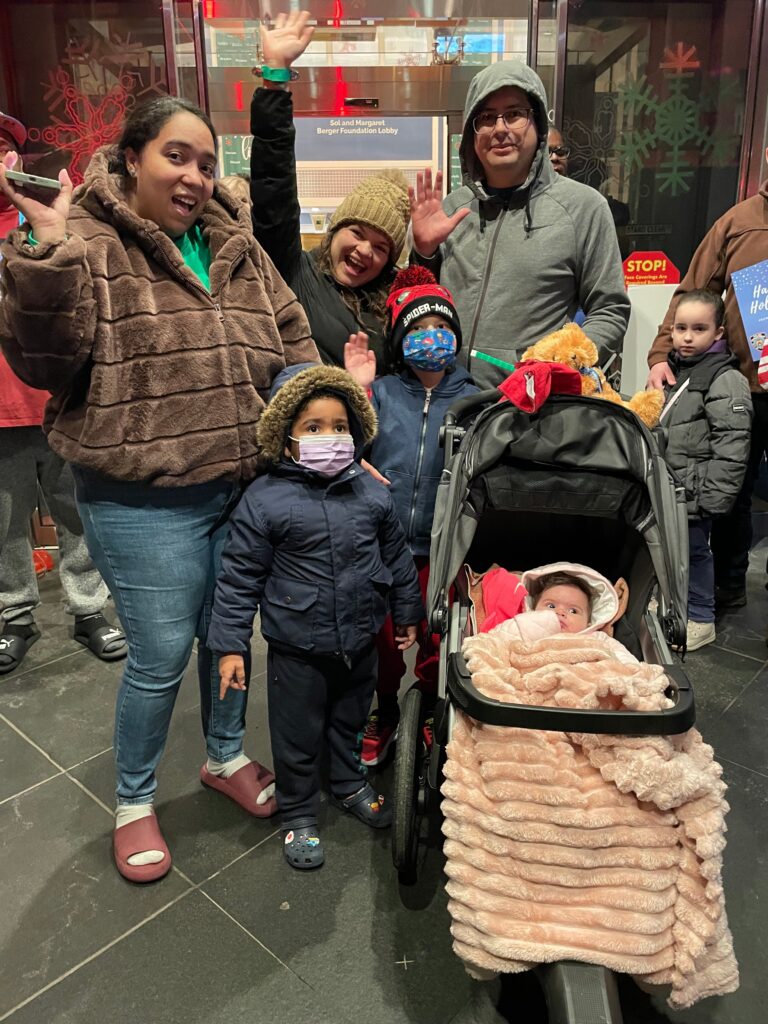
If you were to take attendance at the House on East 73rd street, you would not count by nationality or language.
You would count by purpose.
Every family here is here for a child.

Juan Alfonso noticed it immediately. Whole families. Different stories. Same gravity. Children at the center of everything.
This realization does something to people. It strips away small talk. It accelerates trust.
“We become family here,” he says. “Not friends. Family.”
That distinction matters.
They eat together. Talk together. Watch their children play together. They form bonds not because they planned to, but because the situation demands human closeness.
Among those connections, a few Dominican families became especially dear to Santi’s family. Meals stretched longer. Conversations deepened. Children invented games that required no translation.
Belonging, it turns out, is a shared table.
The Room Where Worry Loses Its Grip
If Santiago had to draw a map of the House, one room would be circled in bold.
The Playroom.
This is where children become children again. Where diagnoses find a temporary exit from center stage. Where laughter interrupts fear mid-sentence and means it.
Fernanda loves this room not because it distracts Santiago, but because it restores him. He plays with other children. He shares toys. He invents worlds. He is not “the patient.” He is just Santi.
Nearby, another room exists for the parents.
The Wellness Center.
A quiet acknowledgment that caregivers are not machines.
“If we are well,” Fernanda says, “we are going to be well for our children.”
This is holistic care without jargon. Practical compassion. Emotional support designed into the building itself.
When the Math Stopped Mathing
Before the House, every decision came with calculations.
What will we eat?
How will we get there?
What if something happens at night?
Inside the House, those equations softened.
Meals were ready. Transportation was arranged. The room was warm when it needed to be and cool when it mattered.
And the hospital—so close.
Back home, a fever meant hours on the road. Here, it meant minutes. A call. A car. Relief arriving faster than panic could build momentum.
That proximity changed everything. It replaced dread with readiness.
It gave the parents’ permission to focus on what mattered most: their children.
Advice That Is Quiet but Absolute
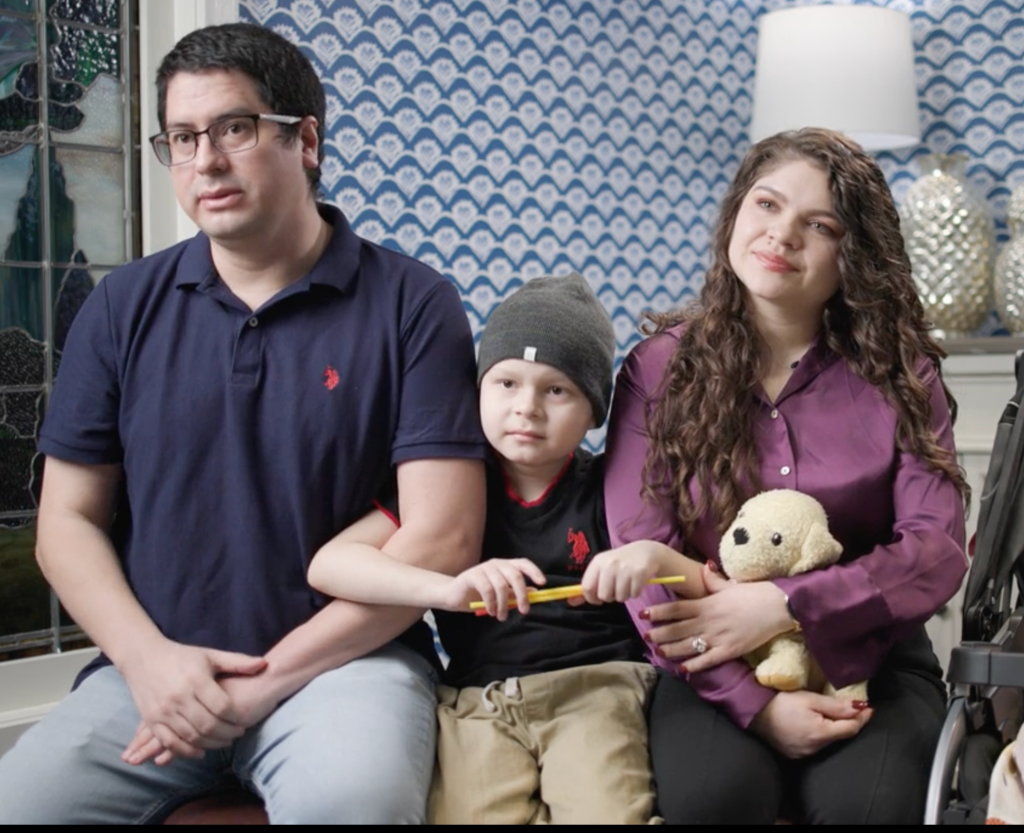
To caregivers, the advice is simple.
Focus on your children. The House will handle the rest.
And to children?
Santiago is invited to speak. He hesitates. He does not answer directly.
But his advice is visible everywhere—in the hats, in the play, in the way he occupies space.
Be yourself. Even here. Especially here.
Gratitude Without Edges
When Juan Alfonso and Fernanda speak to donors, they do not polish their words.
They arrived with nothing, Juan Alphonso says. They found everything.
Fernanda reminds everyone that donations are not symbolic. They are immediate. Real. They place parents beside their children when presence matters most.
“That seed,” she says, “has blossomed.”
Not only in their family, but in every family.
Why Giving Changes Everything
Giving to the House is direct help. And indirect help.
It helps families live with dignity. It helps their loved ones far away sleep better at night.
It replaces anxiety with stability. Where chaos once ruled, only calm remains.
It gives parents the rare freedom to stop worrying about the price of tomorrow and focus, instead, on the small but sacred question that matters most today:How is my child feeling right now?
The Shift from Fear to…
At the end, Fernanda looks into the camera.
“Ronald McDonald House New York is love in action,” she says.
Then she adds, “It is more than love.”
Later, she reflects on how their reality shifted—from fear to peace, from uncertainty to faith, from survival to gratitude.
They are calm now. Faith-filled. Thankful.
The Boy Who Changes Rooms
Santiago says very little at the end of the interview.
He does not need to.
He is busy being a child in a place that allows; even insists that he be one.
A boy with many hats. Many games. Many small joys stitched carefully together between hospital visits.

And if you find yourself loving him by the final page, that is not accidental.
Some children do not need to herald themselves with trumpets, volume on high.
They simply arrive.
And then the room is never the same.

 Newsletter
 Family
 Family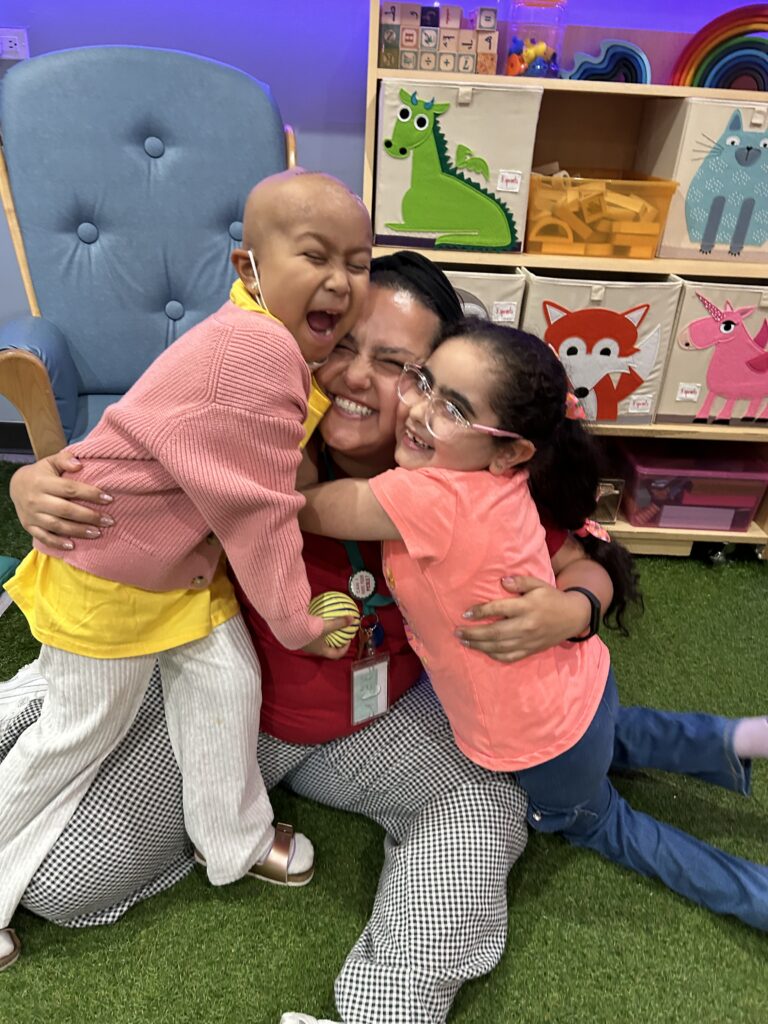
 Staff
Staff