
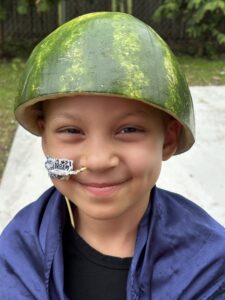
Just Like the Moon: Maite’s Mission and the Light of Ordinary Days
A story of resilience, hope, and the extraordinary strength of family. Discover how Maite, Dario, Alessia, and Vida Rodriguez found comfort, community, and a home away from home at Ronald McDonald House New York during Alessia’s bone marrow transplant journey.
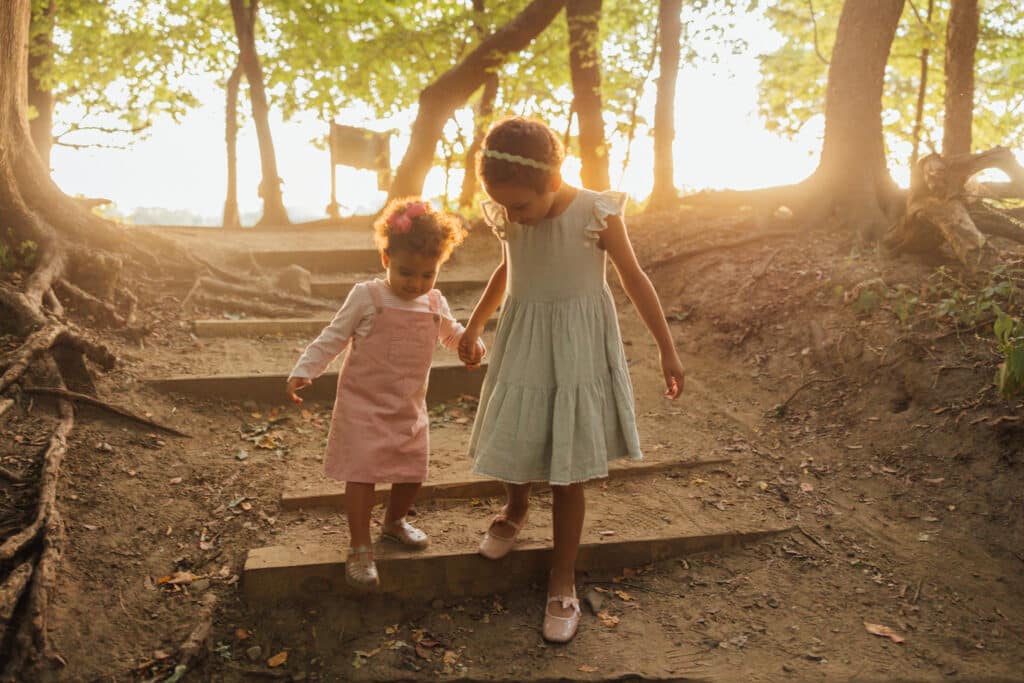
There is a moment that comes after the hardest part is over. During a crisis, there isn’t much time to process what’s happening. You’re focused on getting through the next day, the next appointment, the next piece of news. It’s only later, when life begins to settle, that you can look back and understand just how much your family went through—and how much you held onto along the way.
For Maite Rodríguez and her family, that moment arrived quietly. On a school morning, her daughter Alessia, eight years old, bright and determined, gathered eggs from the coop. She climbed a tree. She read a book. She did what eight-year-olds do.
It’s hard to explain to someone who hasn’t lived through a crisis why those ordinary moments devastate you with their beauty.
Before the Light

Maite joined President and CEO Lucretia Gilbert on a special appearance on FOX5 6 o'clock news
RMH-NY on the 6 o'clock news
Alessia was born with sickle cell disease, diagnosed through newborn screening. The condition gets its name from the shape of the affected blood cells: curved, half-moon shaped, fragile. By six months old, she experienced her first pain crisis. From there, the disease became the rhythm of her family’s life: dozens of hospitalizations, severe pain episodes, daily medications, sleepless nights.
Sickle cell disease affects approximately 100,000 people in the United States—and each number is a family learning to reorganize their entire world around a chronic illness that carries real danger. For Maite and Dario, the question wasn’t just whether Alessia would get through each crisis. It was whether she could ever simply be a kid.
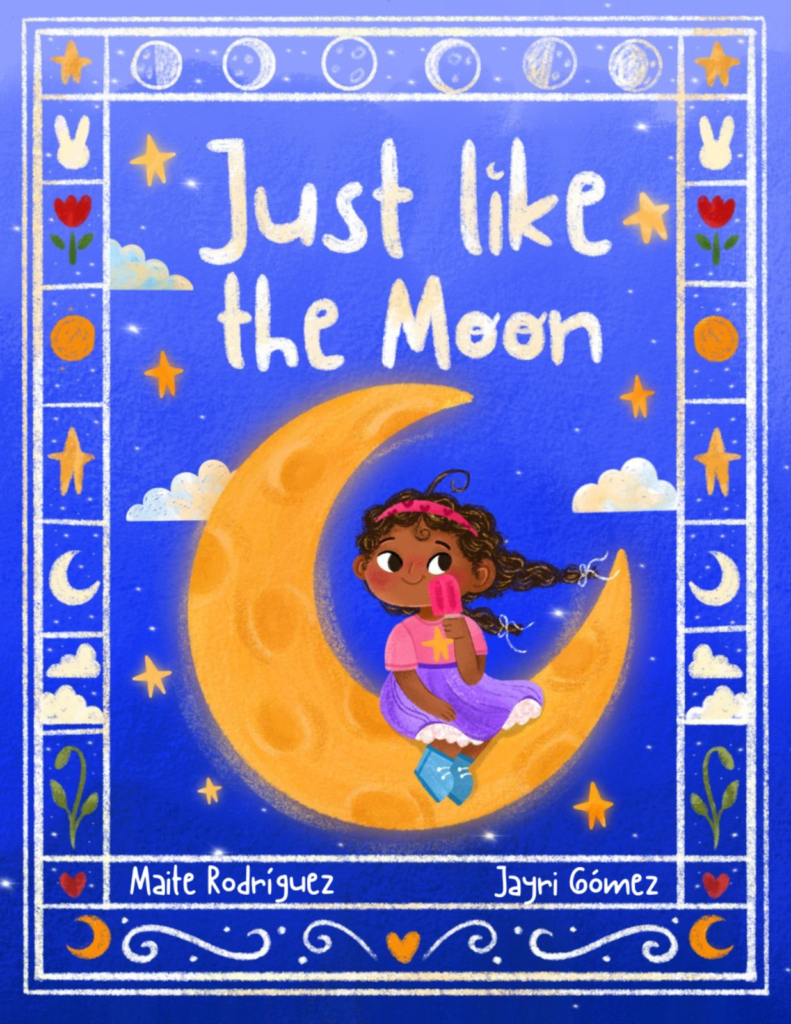
Years later, Maite would write a book about this journey—Just Like the Moon—reclaiming that image of half-moons, transforming the symbol of disease into something else entirely: a light, constant and reliable, guiding a family through darkness and into hope.
In 2022, they made a decision that changed everything. A stem cell transplant from a perfectly matched donor offered Alessia a chance at remission, at a future less constrained by the disease that had defined her early years.
But there was a problem. Finding a match.
The Sister Born for Hope
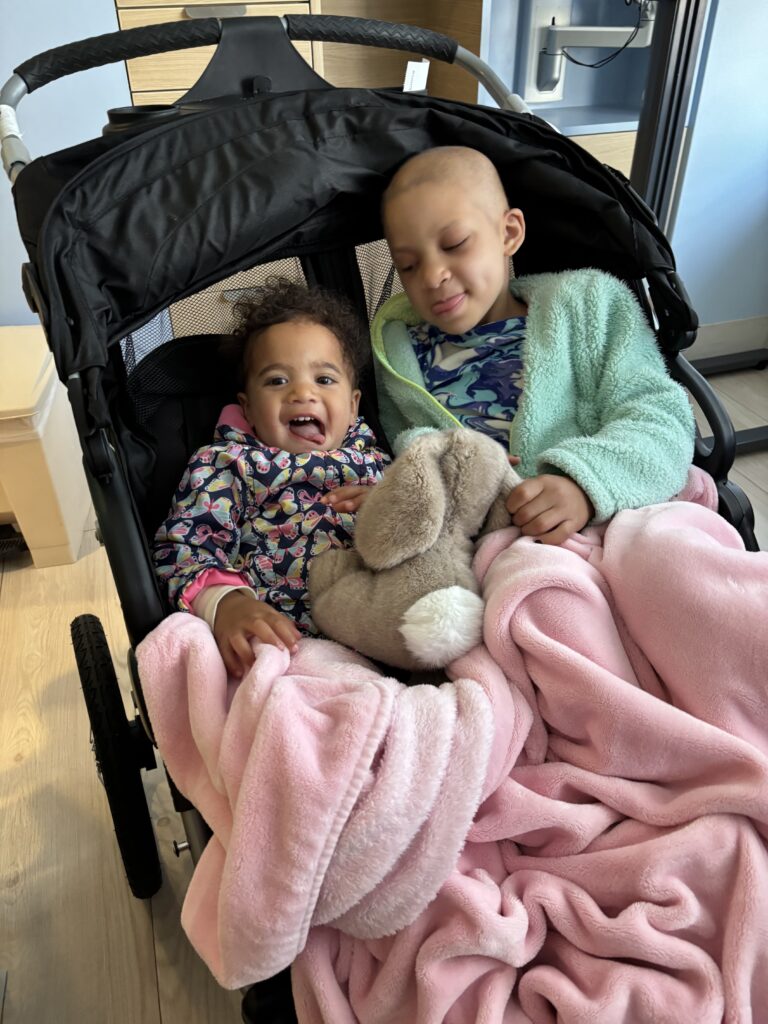
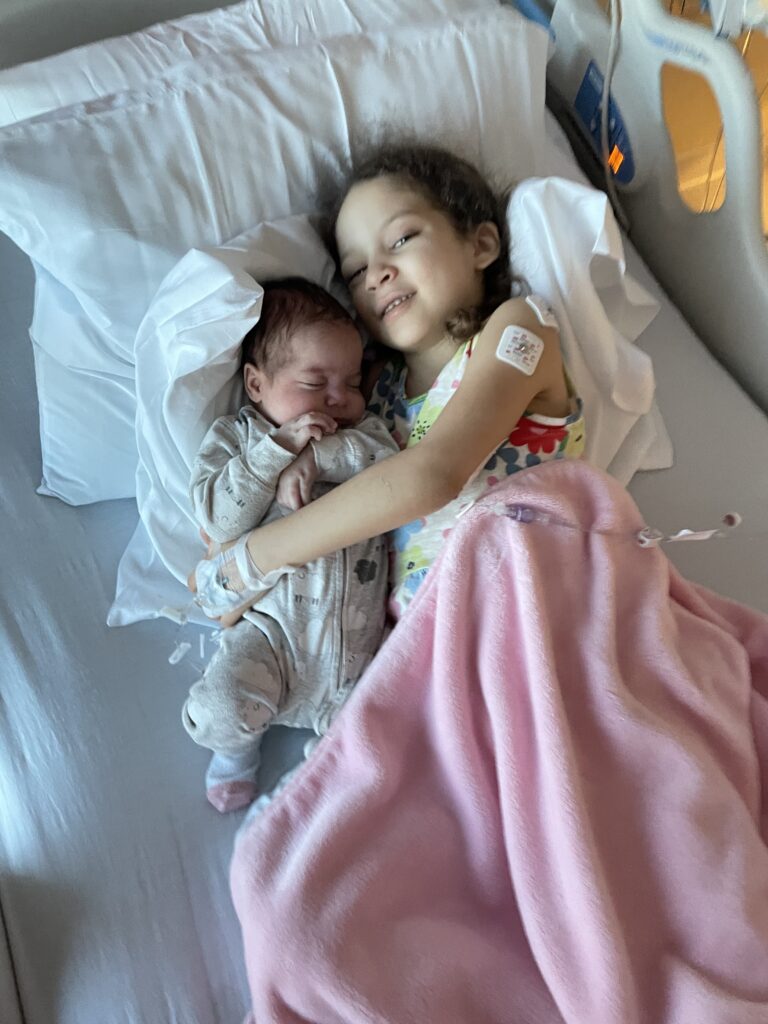
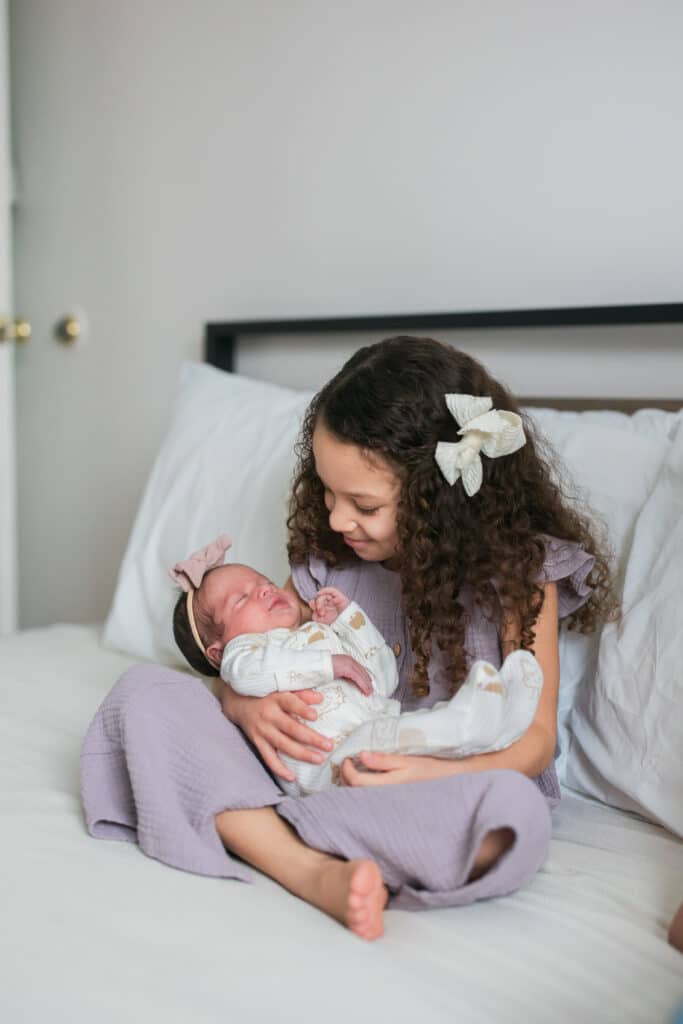
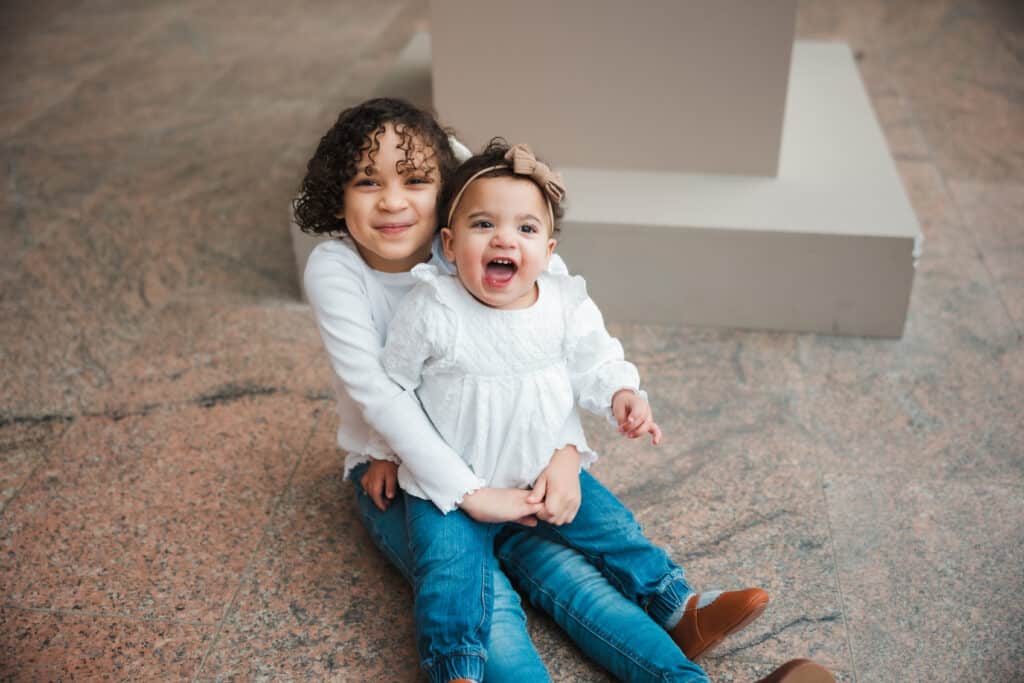
They decided to conceive a second daughter—intentionally, carefully—ensuring she would be an HLA match for Alessia, a perfect genetic fit to become her stem cell donor.
Vida arrived on January 9, 2024, during one of Alessia’s hospital admissions. Her cord blood was collected at birth. A year later, her bone marrow would provide the stem cells her sister needed.
In Maite’s telling, there is no drama for drama’s sake. Only love, decision, and two daughters being sisters.
“Vida is just Alessia’s baby sister,” Maite says.
The Transplant
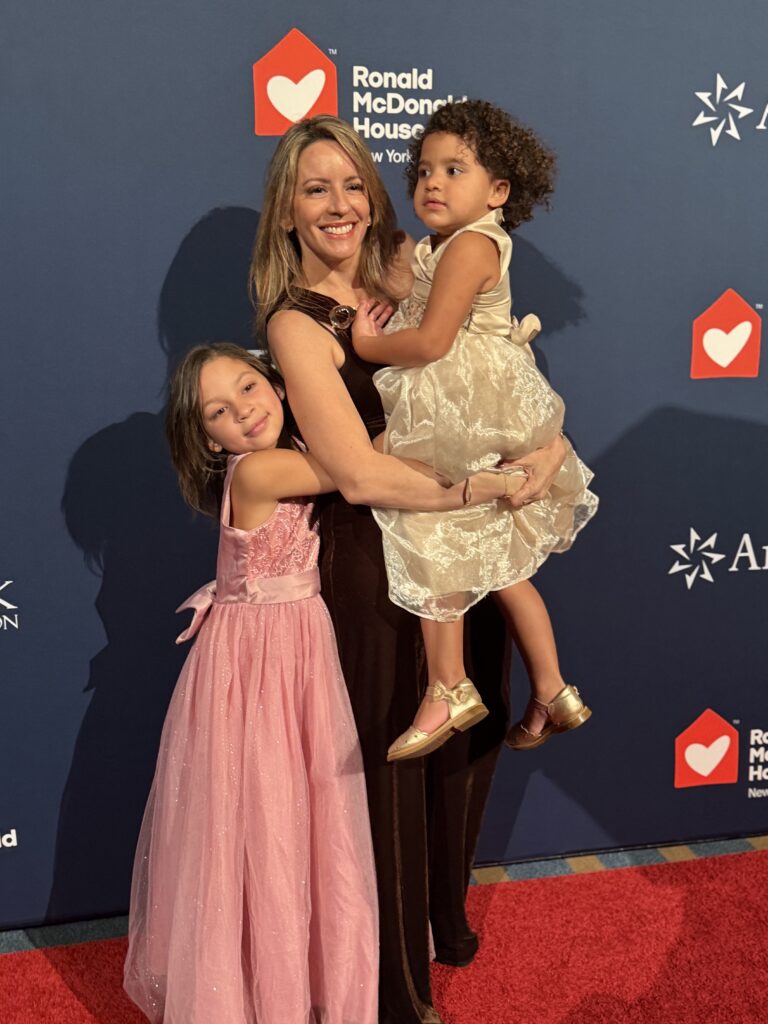
In January 2025, Alessia received her stem cell transplant at Memorial Sloan Kettering Cancer Center under Dr. Maria Cancio’s care. Recovery would be long and complicated. Post-transplant care required extended time in the city, proximity to the hospital—the kind of schedule that makes ordinary work impossible.
Maite and Dario faced a question many families confront: How would they stay together? Where would they live? How would they keep their family intact while living inside a medical crisis?
They learned about Ronald McDonald House New York.
“Honestly, we didn’t believe it could be as good as it sounded,” Maite remembers.
It was.
A Place That Feels Like Home
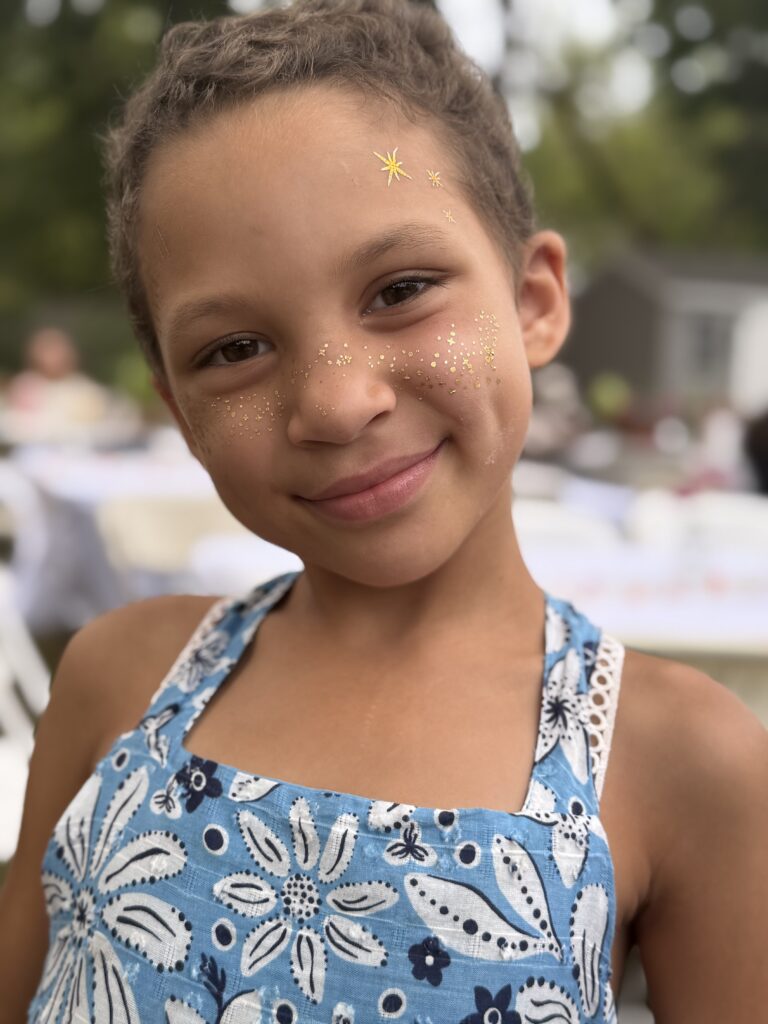
In January 2025, Alessia received her stem cell transplant at Memorial Sloan Kettering Cancer Center under Dr. Maria Cancio’s care. Recovery would be long and complicated. Post-transplant care required extended time in the city, proximity to the hospital—the kind of schedule that makes ordinary work impossible.
Maite and Dario faced a question many families confront: How would they stay together? Where would they live? How would they keep their family intact while living inside a medical crisis?
They learned about Ronald McDonald House New York.
“Honestly, we didn’t believe it could be as good as it sounded,” Maite remembers.
It was.
Their first stay was Christmas Day 2024, for Alessia’s pre-transplant testing. They were welcomed with gifts, food, warmth, and something rarer: incredibly caring people who seemed to understand without being told.
Over the next year, the Rodríguez family would stay at the House thirteen times—including an extended four-month stay during and after Alessia’s transplant. Four months. Long enough for a place to stop being a refuge and start feeling like home.
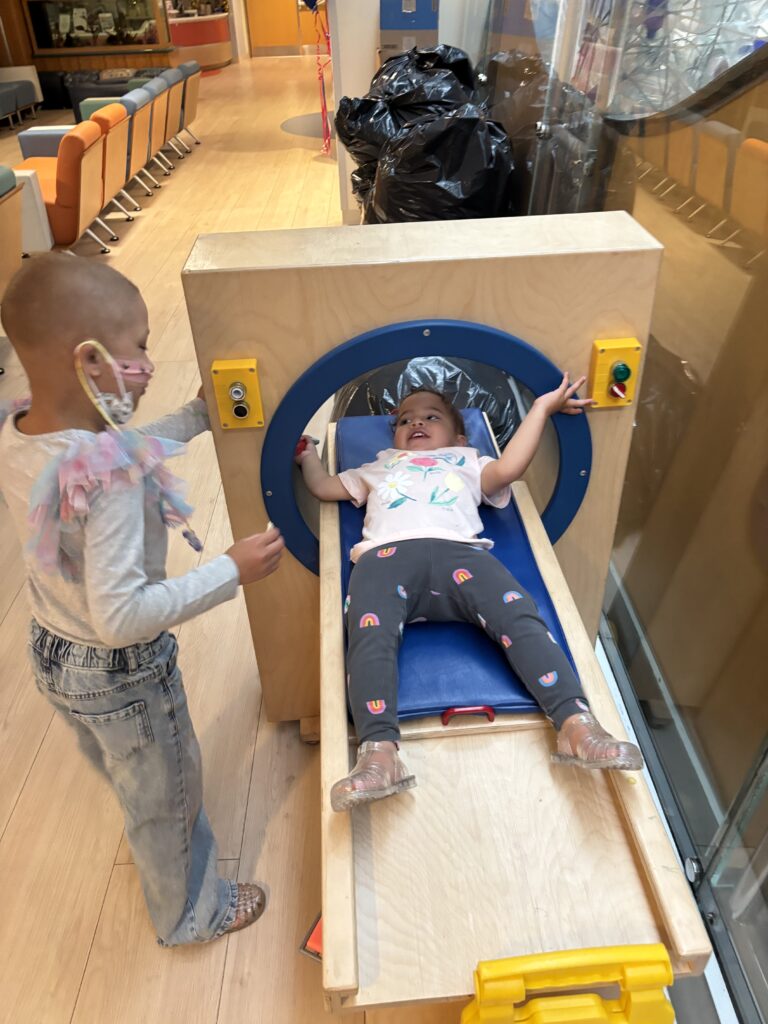
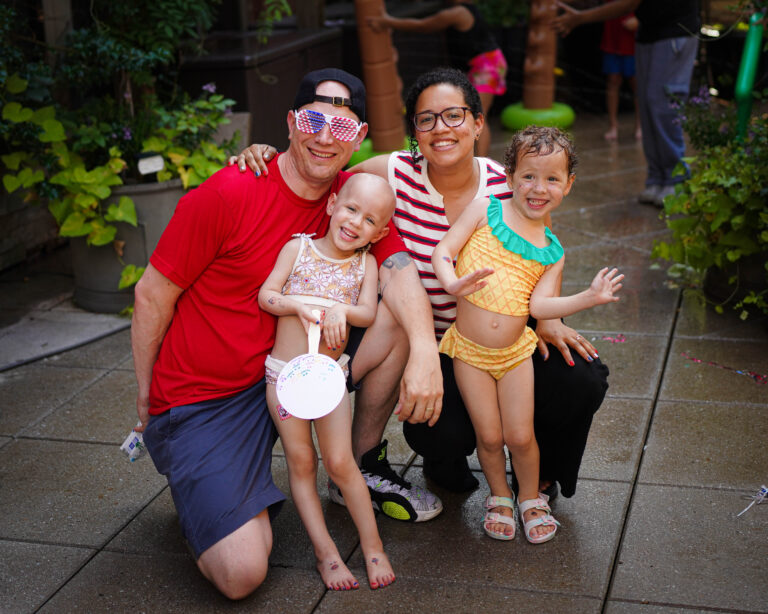
The House gave them the practical things: a place to cook, to rest, to work when they could. But what made the difference was the normalcy. Their daughters could simply be children. Alessia could play and laugh in the playroom. Vida could be a baby sister. Maite could write in the early morning quiet of the living room—and during those early mornings, she created Just Like the Moon, a testament to this journey, another way of telling this story to the world.
Walking in that first Christmas morning, Maite wasn’t prepared for what she found. When they entered the playroom, the staff was already waiting for them—with gifts.
“We had gifts,” they told her.
Her reaction was immediate: “And I’m like, what?”
She pauses, even now, remembering the weight of that generosity. ” We were overwhelmed by the love, the kindness, and the sense of family. It felt like we were walking into a friend’s home. Our family home. It was a great day. It was a great day.”
“My favorite thing about the House is the playroom,” Alessia says. “That’s where I just get to be a kid.”
In those words is everything the House accomplishes. Not just shelter, but the space to be. To breathe. To recover not just medically, but as a human being, as a family.
The people made it real. Staff members like Edwin and Peter at the front desk. The social work team. Volunteers. Other families who became friends—connections that didn’t end when the medical crisis passed. Families don’t forget the people who held them through their hardest moments. They come back not because they need a room, but because they miss the people who became part of their story.
The Moon: A Light Only This Family Can See
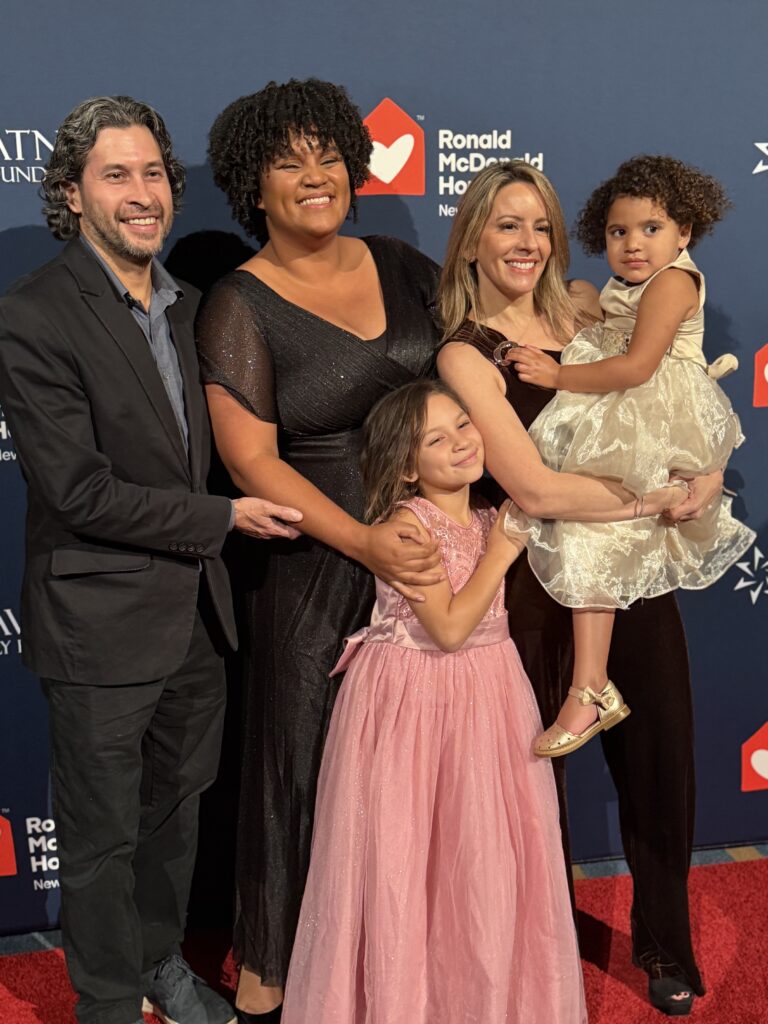
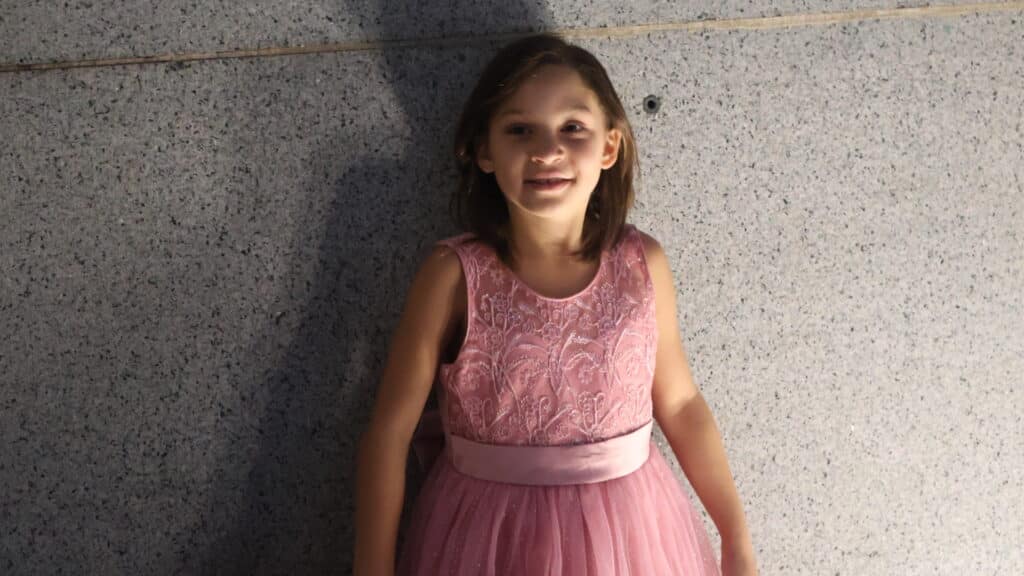
This story belongs only to this family. A mother on a mission for hope. A sister born to save her sister. A four-month stay that allowed recovery to happen alongside ordinary joy. A book transforming the symbol of disease into something luminous—a light, constant and reliable, witness to everything below.
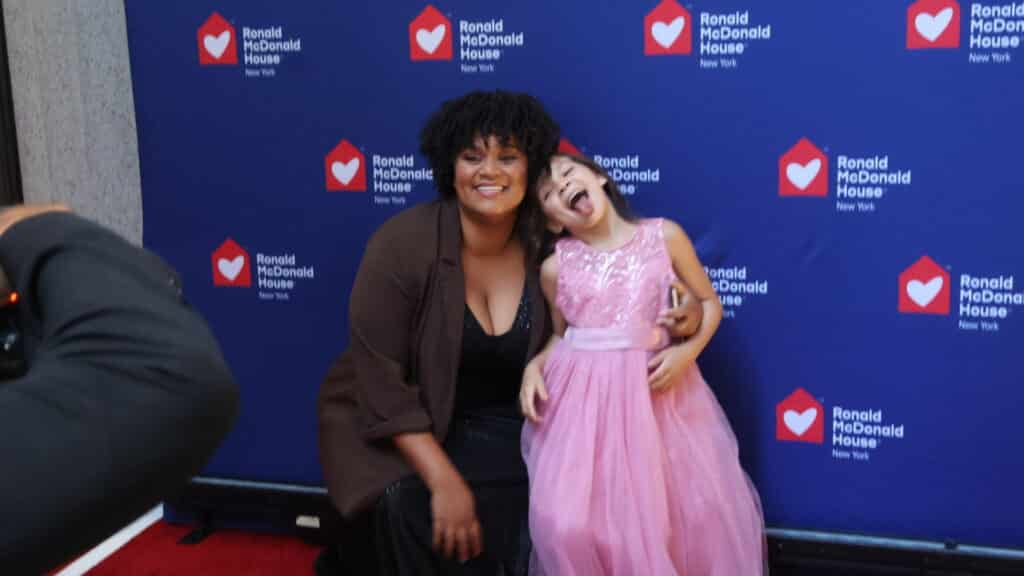
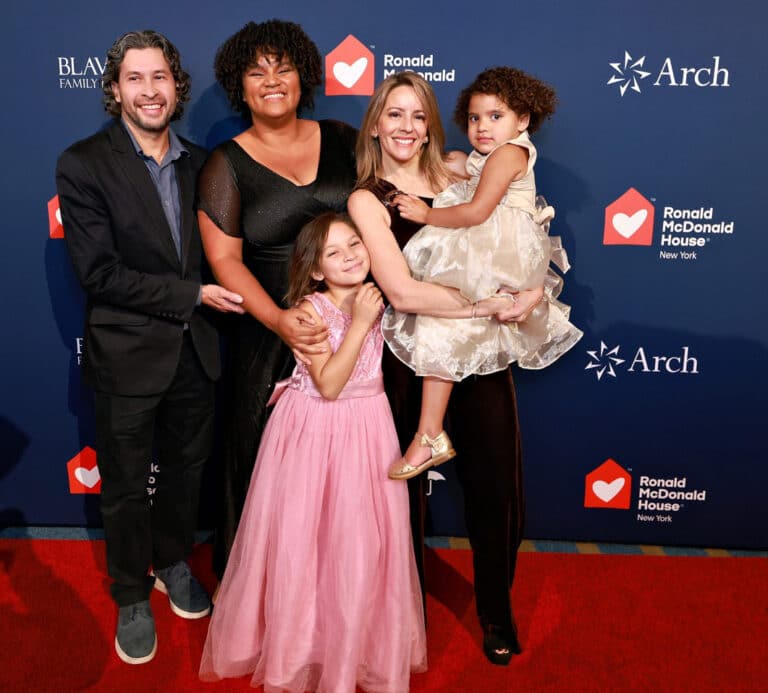
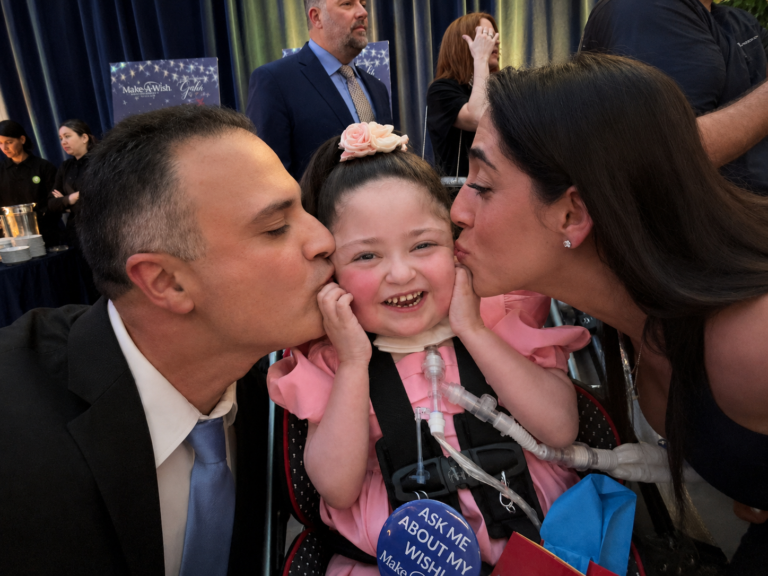
This is why Maite and her family were the honorary family for Ronald McDonald House New York’s Annual Gala in 2026. This is why Maite spoke at Cipriani Wall Street; holding this story in public, in front of 700 people who can choose to be part of it. Because when she speaks, she’s not just telling her family’s journey. She’s speaking for every family sitting in a hospital tonight, wondering how they’ll get through tomorrow.
The Work Continues
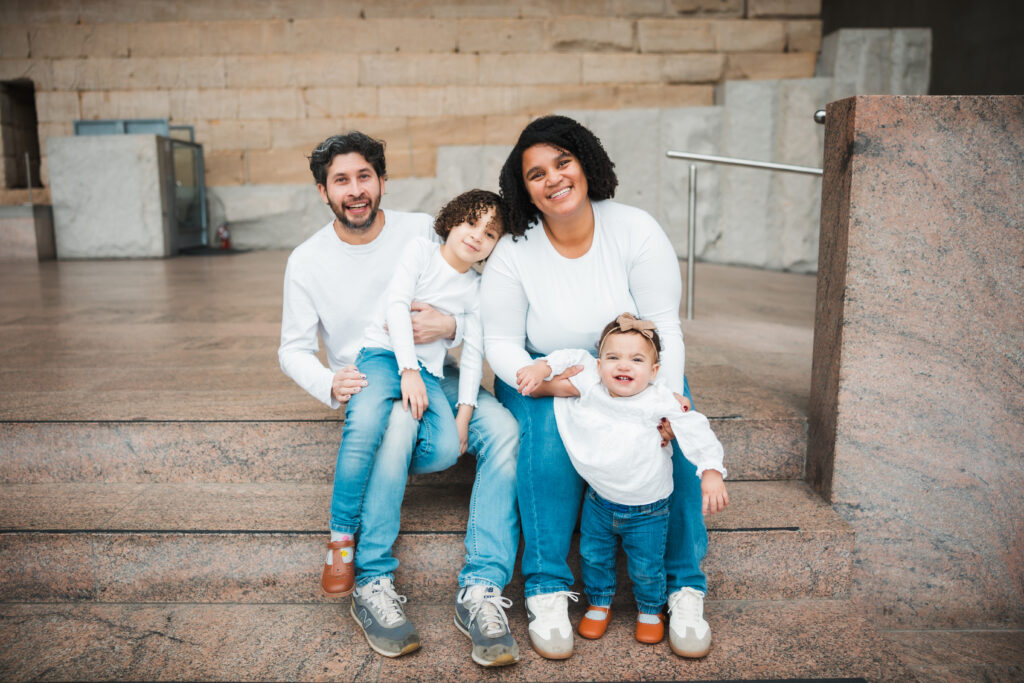
Ronald McDonald House New York doesn’t change a diagnosis. It doesn’t replace medical care or cure disease. What it does—what it did for Alessia, for Vida, for Maite and Dario—is provide something simpler and more essential: a place to stay. A place to breathe. A community. The ability to remain together during one of life’s hardest chapters.
Alessia is doing all the things an eight-year-old should do. She goes to school. She reads. She climbs trees. She reads some more. She gathers eggs from the coop each morning. She is, in the deepest sense, a kid.
There is another family in a hospital tonight. Another parent learning to live inside urgency. Another child facing a journey that will test everything. Because of people who choose to invest in Ronald McDonald House New York—donors, volunteers, supporters—that family won’t have to face it alone.
Maite carries a message for every person moved to give:
“In supporting the House, you’re supporting families like mine. You’re supporting families who just received the worst news of their lives, and are flying from all over the United States, from all over the globe, to be here. We’ve met families from India, China, Latin America, all over the U.S. So, in supporting Ronald McDonald House New York, you are supporting families like mine who are struggling to stay afloat, not just financially but emotionally. Our load is very heavy, and if we could give it to anyone else, we would. But we choose to carry it with dignity and grace, and you help us do that.”
They will have a place to stay. They will have people who care. They will have the chance to stay together. They will have the knowledge that their struggle has been witnessed by people who chose to answer.
To be, like the moon, a steady light in someone’s darkest sky.
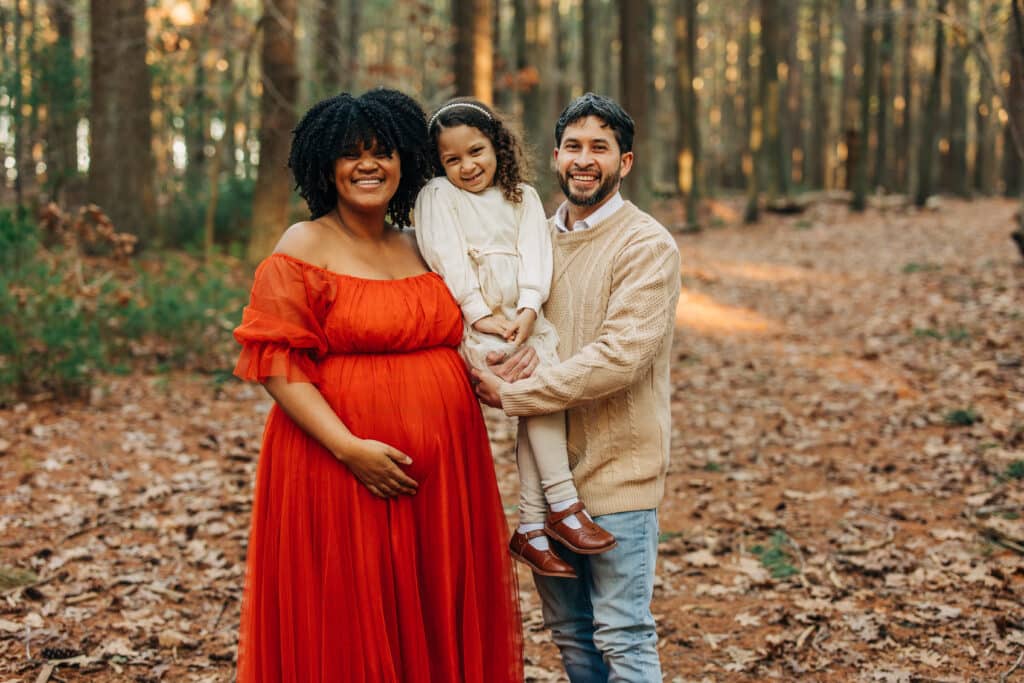
Because every family deserves to find their way home—especially when home is the last place they thought they’d end up.
This October 2026, Maite Rodríguez and her family were honored at Ronald McDonald House New York’s Annual Gala, celebrating their journey through Alessia’s sickle cell disease, stem cell transplant, and their transformative time at the House. Their story is one of hope, family resilience, and the profound impact of community support during a family’s most critical moments. To learn more about how you can support families like the Rodríguez family, visit rmh-newyork.org.
 Newsletter
 Family
 Family