
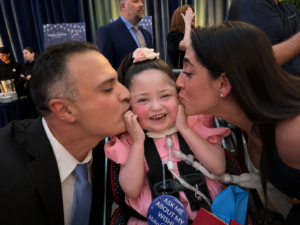
Every Second With Sofia
After losing one daughter and fighting to stay close to the other, Maria Vento found something she desperately needed: a place that made it possible to be near Sofia every day. At Ronald McDonald House New York, the smallest things—a warm welcome, a ride to the hospital, a cup of coffee, a quiet place to sleep—helped carry a family through an unimaginable chapter and gave Maria more of what mattered most: time with her daughter.
How Ronald McDonald House New York gave Maria time with her daughter

Some distances can’t be measured in miles.
In February of 2020, Maria Vento was in New Jersey, healing from a C-section. Not allowed to drive. Not allowed to lift. Not allowed to walk for long. Her daughter Sofia was in the NICU of an Upper East Side hospital, fighting for her life.
Between them: a river, a state line, and a train Maria’s body wouldn’t let her board. On a map, the distance was small. But it might as well have been an ocean.
This is the story of how the House closed that distance. And about the thriving six-year-old waiting on the other side of it.
Two Girls
Maria’s pregnancy was complicated from the very beginning. Weeks in the hospital before she ever gave birth. A premature rupture of membrane, then another. The family already knew Sofia had a congenital heart defect. They knew there would be a hospital stay. They just didn’t know how much they didn’t know.
On February 2, she delivered by C-section. Sofia, and her twin sister, Valentina.
Valentina lived twenty-one hours. Internal bleeding the doctors couldn’t stop. “Nothing they could do,” Maria says.
The day after she lost one daughter, Maria stood in the NICU beside the other. The same room. In one spot, an empty bed. A few feet away, Sofia, in Maria’s own words, tearing it up. Alarms blazing. Having her own crises. Refusing to be anything but alive.
That is where this family began. One room. One moment. A goodbye and a fight, side by side.
Fifteen Minutes
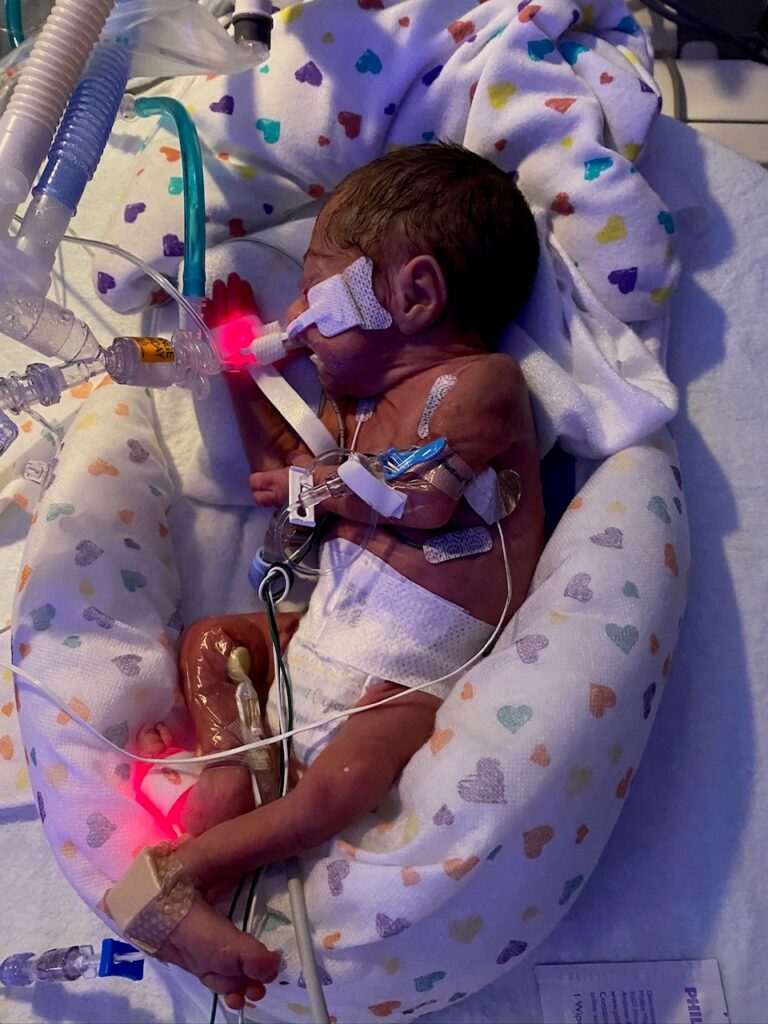
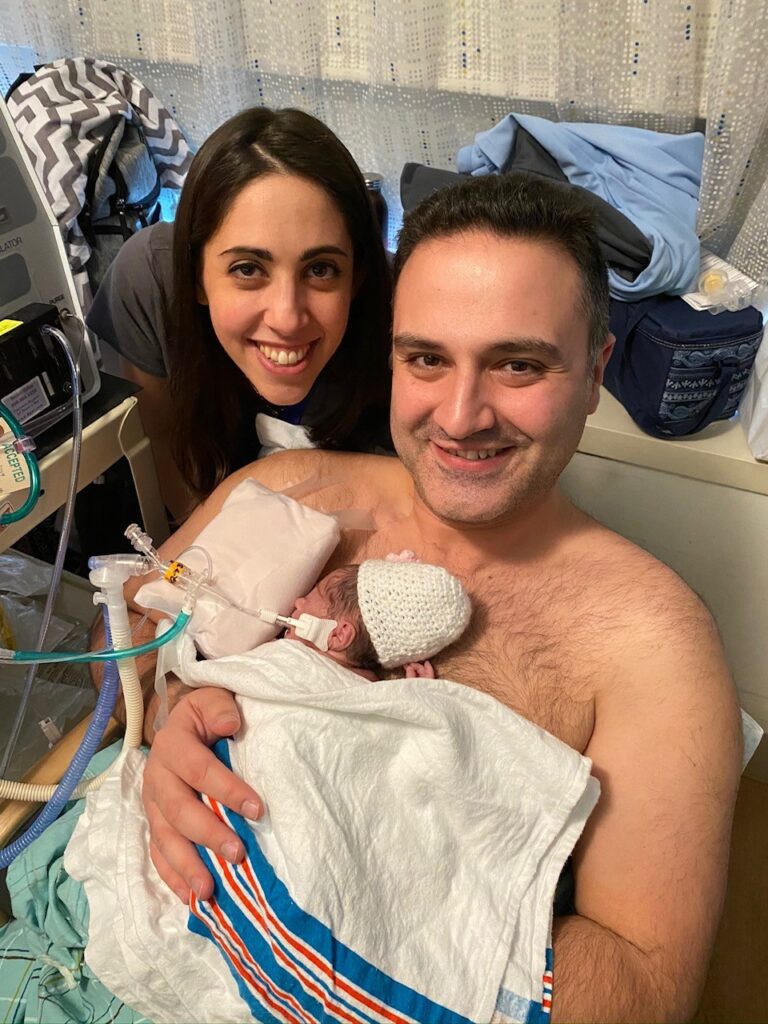
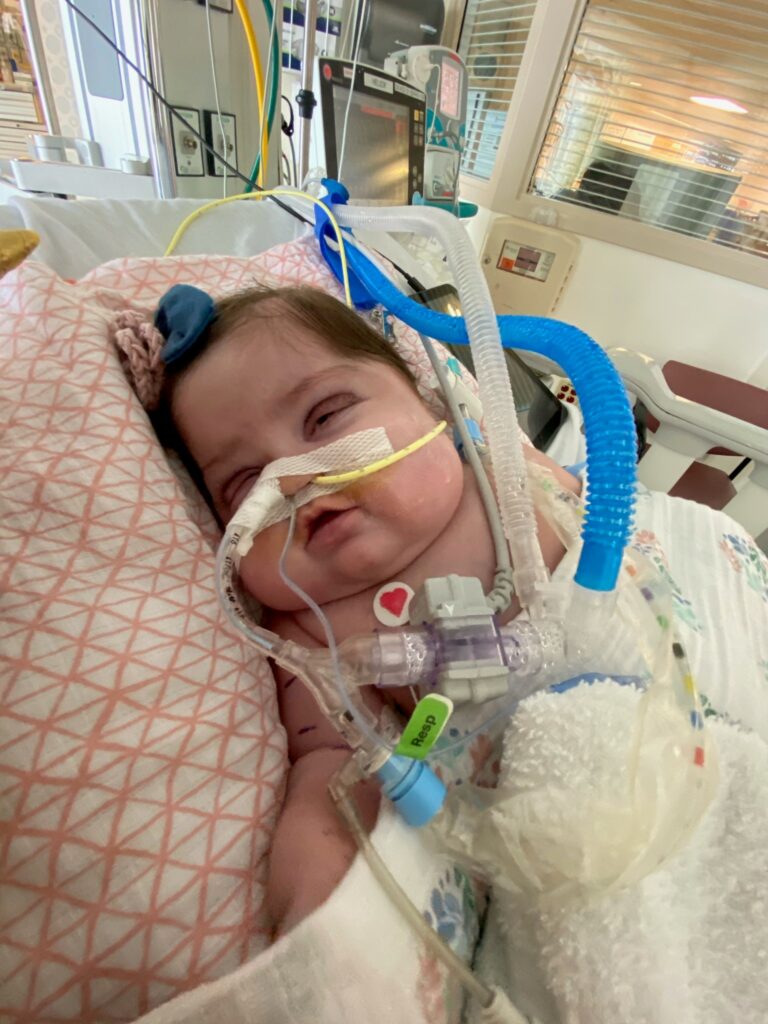
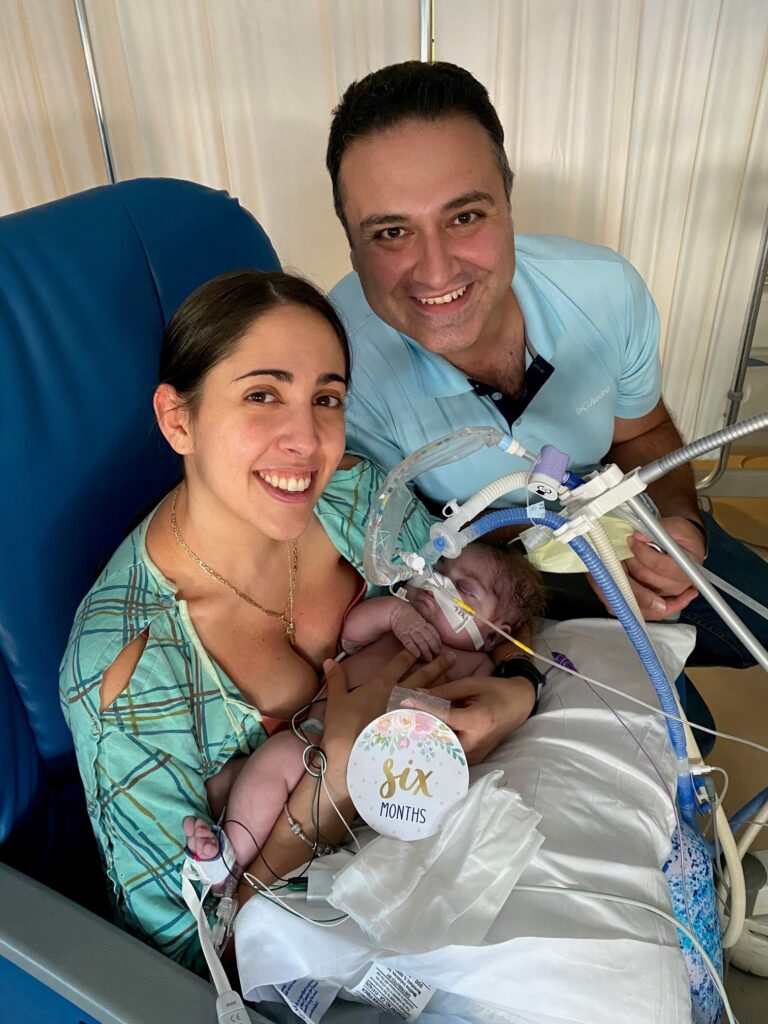
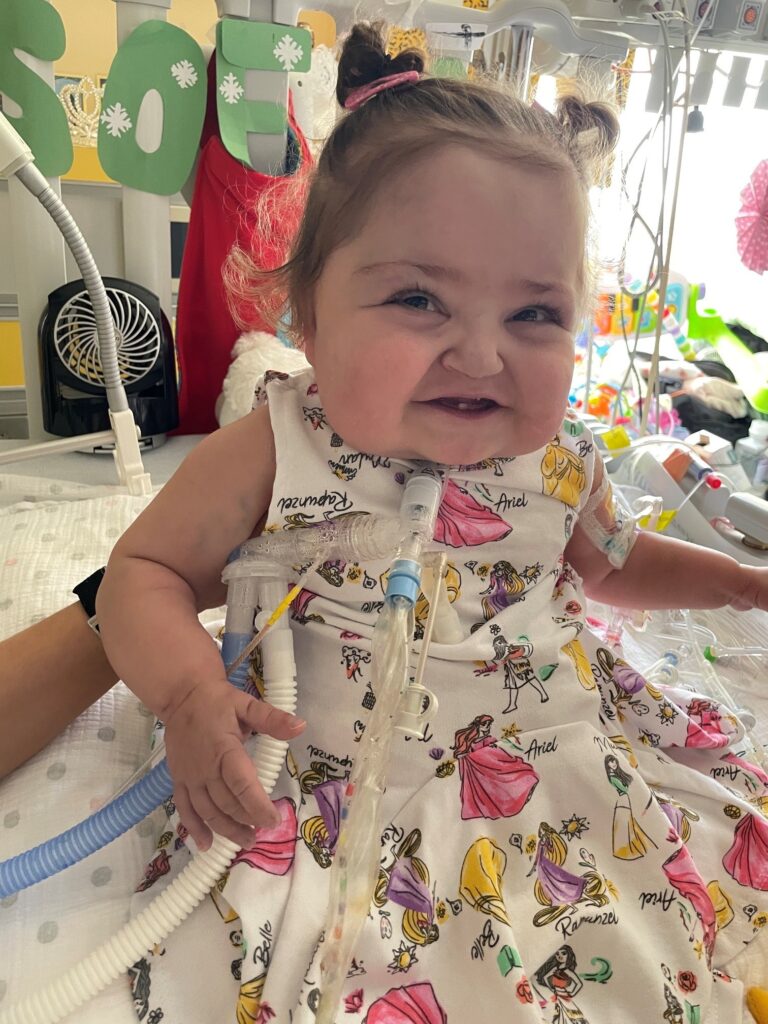
Sofia had been born with tetralogy of Fallot. Her heart was pumping blood the wrong direction, and her premature lungs weren’t ready for the world. She would need surgery. The problem was her size. The devices, the tools, they only come so small. So everyone waited for her to grow.
And while they waited, Maria needed to be at that bedside. Every day. All day.
She couldn’t get there. Her family was scattered across Brooklyn, Queens, and Long Island, all of them working. Her husband and Sofia’s dad, Phil, had to return to his job. And Maria was in New Jersey, reliant on a body stitched back together, unable to drive herself the miles that stood between her and her child.
Then a social worker at their hospital mentioned Ronald McDonald House New York.
Maria said yes before the sentence was finished.
She didn’t know the city. Didn’t know the House. “I didn’t know what day of the week it was at that point in my life,” she says. She knew exactly one thing about the place: it was close to the hospital.
Being close meant she could sit at Sofia’s bedside from seven in the morning until eleven at night, then return to a quiet room, sleep, wake, and do it again. It meant that the fear every NICU parent carries—what if something happens and I’m not there—had an answer.
“God forbid something happens, I need to be there,” she says.
The House meant she could be.
Quick transportation update: Thanks to the generous support of the Odyssey Group Foundation alongside many corporate and individual sponsors and donors, the House uses an individualized professional car service to provide transportation for families traveling to and from the hospital. By coordinating rides on an individual basis, Uber Health has dramatically reduced travel times, making it easier for families to access the care their children need.
The Man at the Desk
Ask Maria what she remembers, and she doesn’t begin with the building.
She begins with Peter.
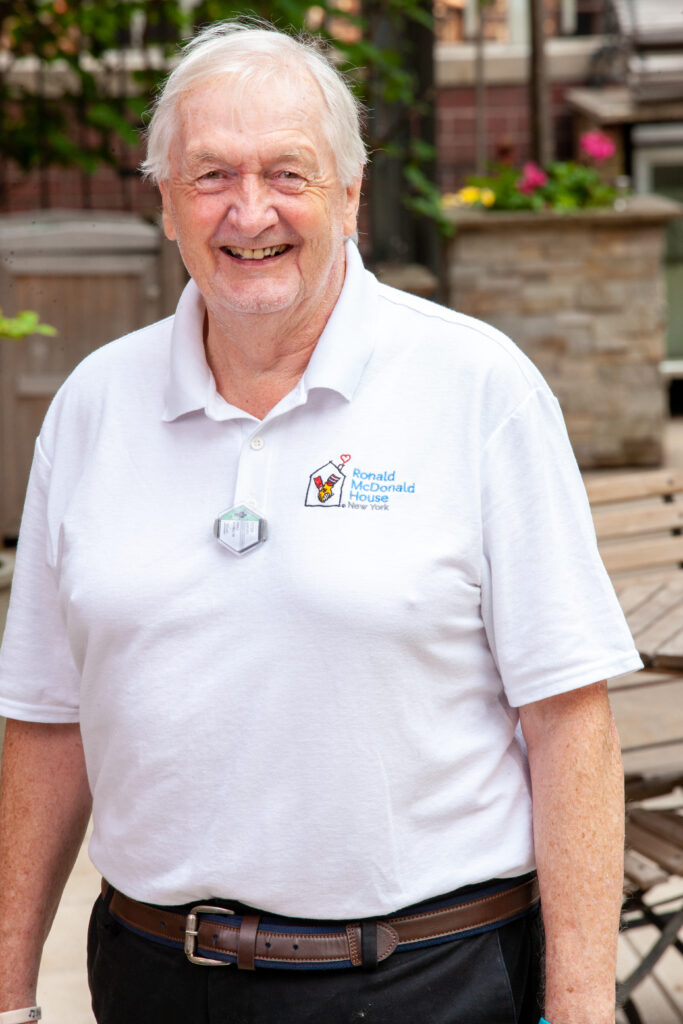
He worked the front desk at night, and he was there every evening when her Uber pulled up after another long day at the hospital. They didn’t have deep conversations. How are you. How was your night. How was the ride home. But there was something about him that Maria has never forgotten.
“You can feel it radiate off of him when he smiles,” she says. “He just has that really inviting smile.”
Years later, returning to the House for an interview, she walked through the doors and saw him again. Still there. Still smiling.
“I know he doesn’t remember me,” she says. “But I remember him.”
There was a shuttle driver, too. A young guy, kind to every family on the route. Maria’s stop was last, so by the end she’d have the car to herself, and the two of them would talk about life, about the day, about nothing. Every time she left; he said the same thing—the kindest possible thing you can say to a mother whose child is in a hospital bed.
“I can’t wait to not see you anymore.”
Because that would mean Sofia and Maria got to go home.
The Weight Nobody Talks About
There is a kind of help that doesn’t announce itself.
Maria calls it the mental load. The thousand invisible calculations a parent in crisis carries every hour. How do I get home tonight? What’s the traffic? What’s the train schedules? Do we have food? Do I have to run to the store?
At the House, that weight quietly lifted. Laundry detergent appeared when she needed it. Food was there if she wanted it. Cleaning supplies, coffee, a warm hello—handled. Small things. The kind staff might not even remember doing.
“They might not remember that they did that,” Maria says. “But I remember that they did that.”
Maria recently met a board member, Terry Bovin, who, years ago, was a parent here herself — hungry, exhausted, with nowhere good to eat. So, she started the Parent’s Pantry. Maria had always assumed the pantry was just part of the House, the way the elevators are. It isn’t. It exists because someone’s hardest day became the reason another family’s day got easier.
“It’s support you didn’t know you needed,” Maria says. “But when you need it—I don’t know what I would have done without it.”
With that portion of her life taken care of, Maria could spend her attention where it actually mattered. On Sophia. On the changes happening at that bedside every single day.
647 Days
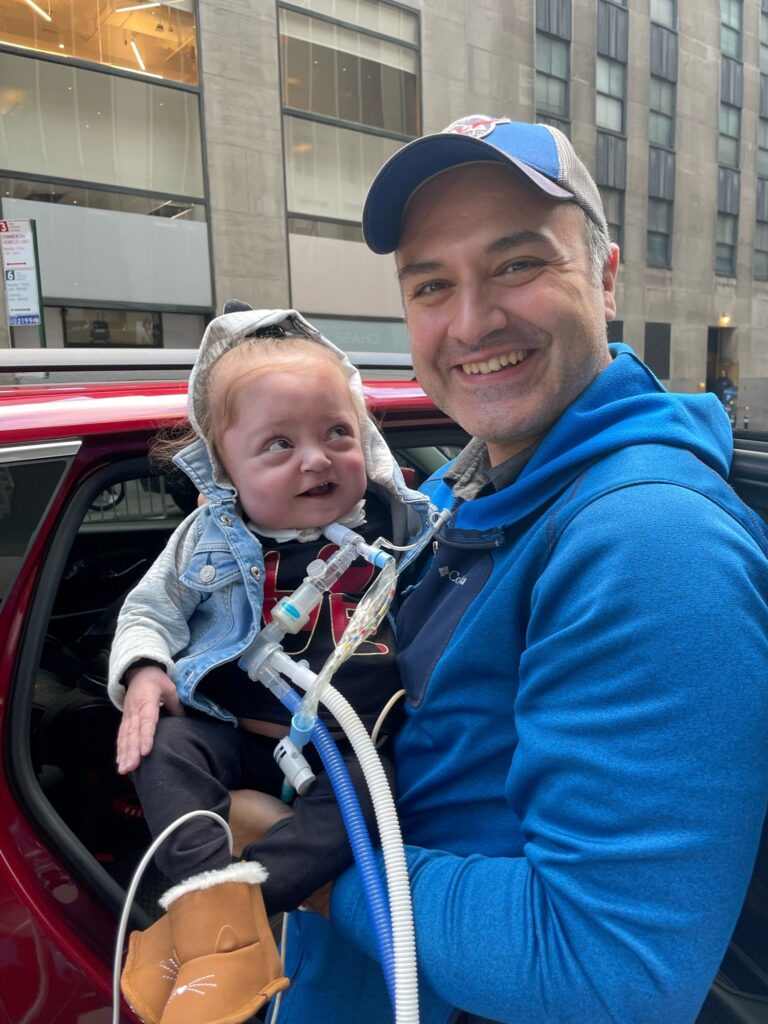
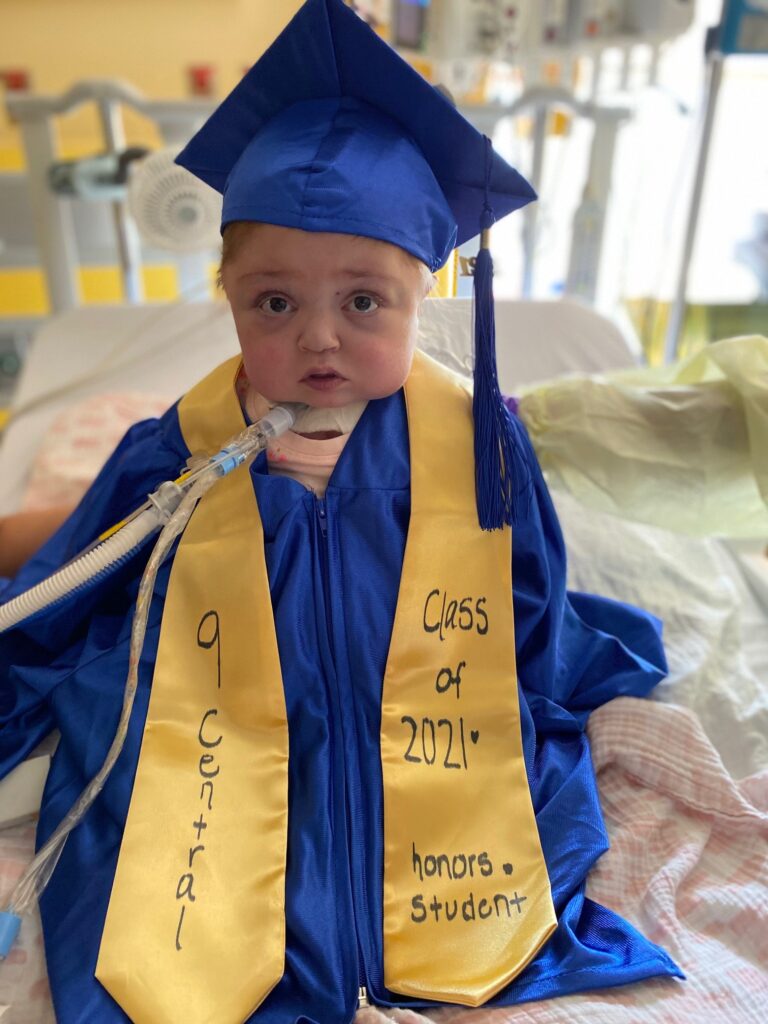
That is how long Sofia spent in different NICUs until she was allowed to finally go home with her parents. Six hundred and forty-seven days.
The road there is almost too much to hold. One hospital told the family Sofia would never be a candidate for surgery—that anything they did would only prolong her life, not save it. So Maria and Phil left, and went to Boston Children’s, where surgeons operated within days. Then New York-Presbyterian, and a second surgery to replace a valve. And during that procedure, an echocardiogram caught something no one would have found otherwise: another hole in her heart. Eight hours on a heart-lung bypass to close it. Kidneys that stopped working. A month on dialysis. And then, one day, they simply started working again.
Three months after that, Sofia went home.
When the surgeon explained how the hidden hole had eluded them until the valve was replaced, Maria summed up her daughter in a single line.
“She got you good, huh?” she told him.
He admitted she really had.
“That’s my kid,” Maria says.
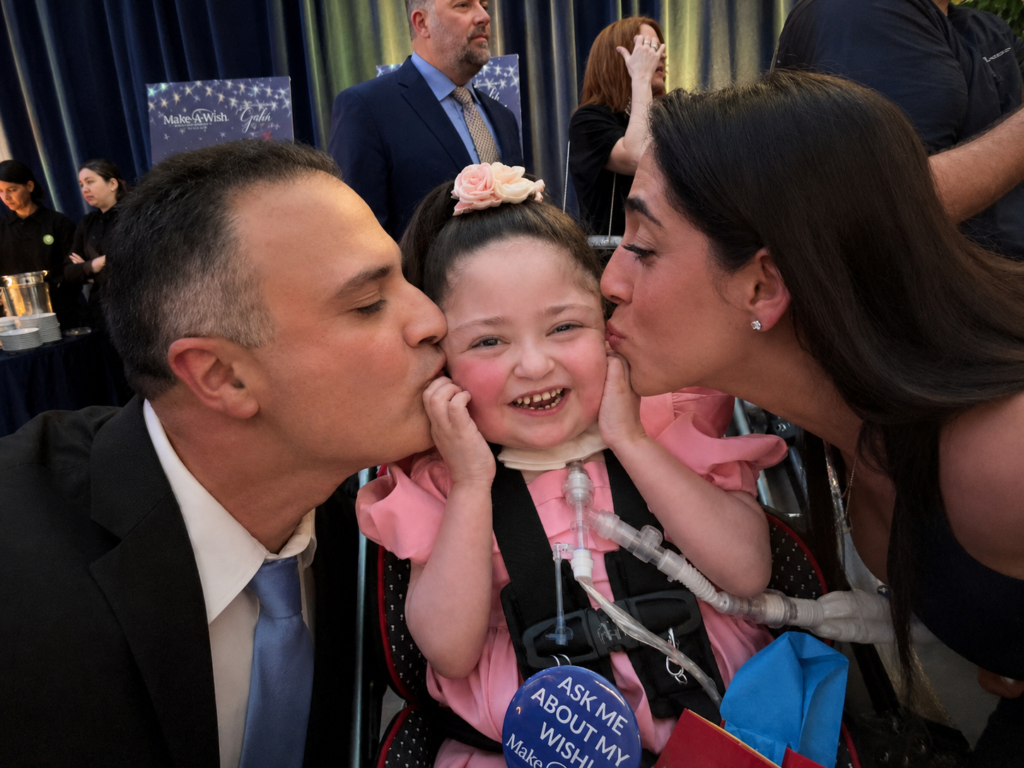
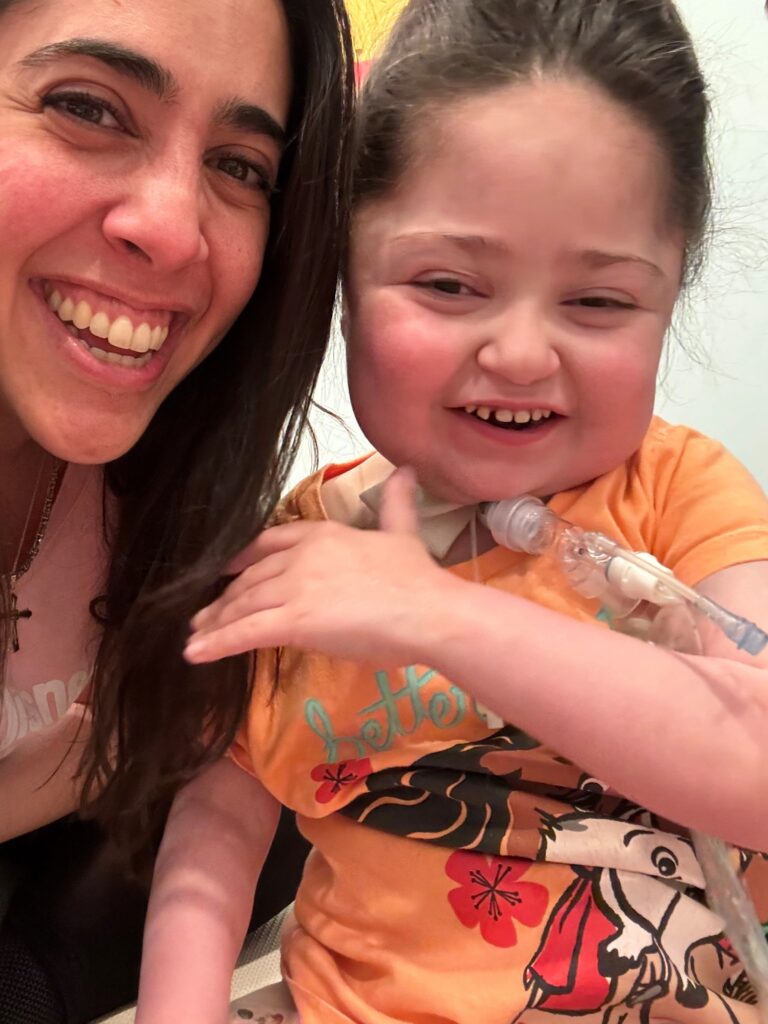
And it is. Because guess who Sofia is now, at six years old?
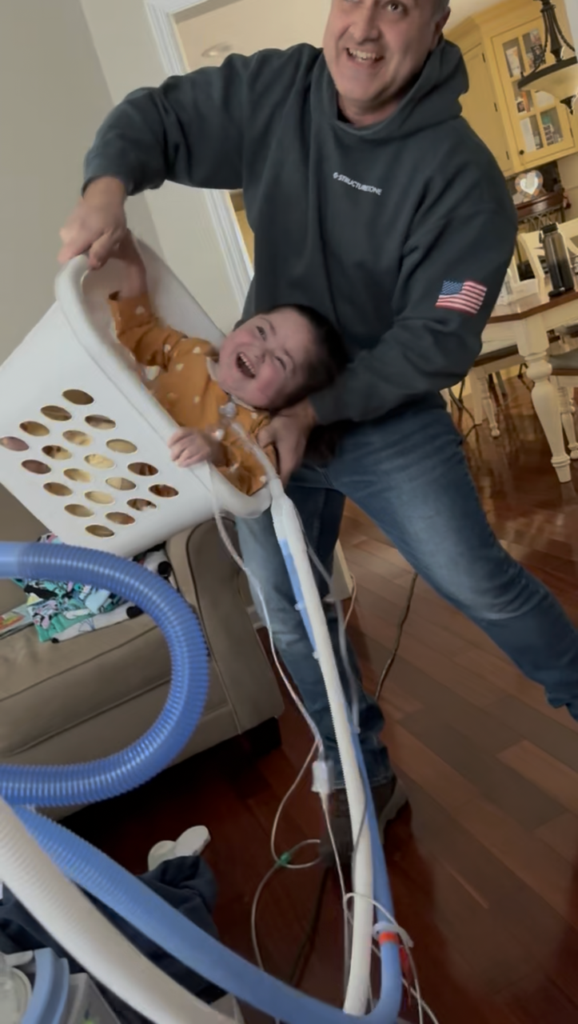
She is loud. Joyfully, gloriously loud. Her godmother gave her a full drum set, and Sofia plays the cymbals with the enthusiasm of someone who has earned every decibel. There’s a piano, too. Maria has volunteered both her ears for the cause, gladly.
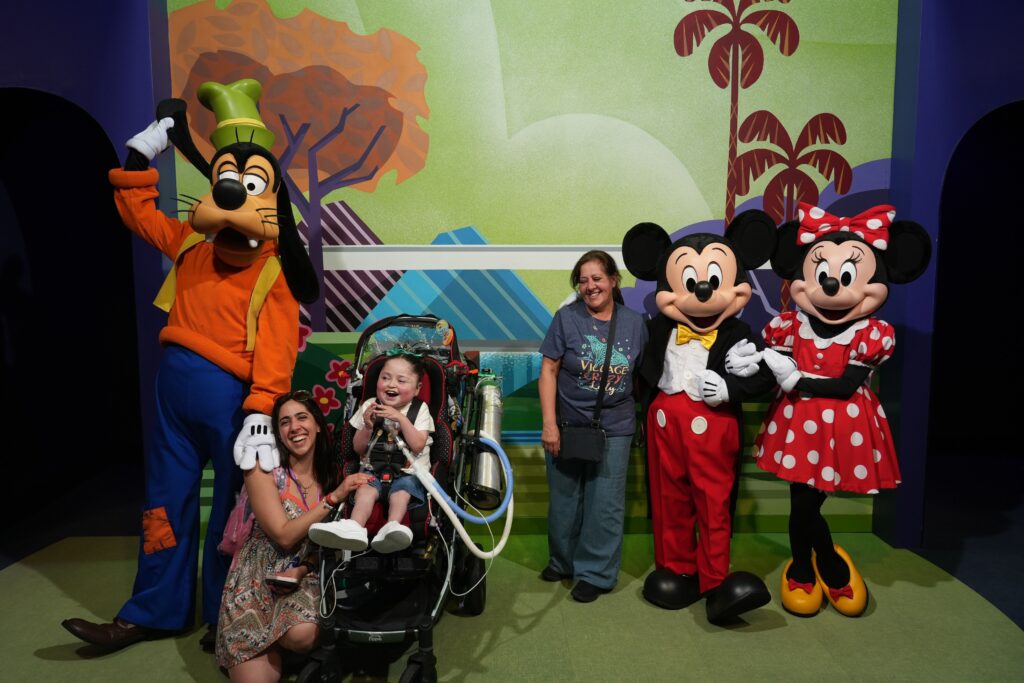
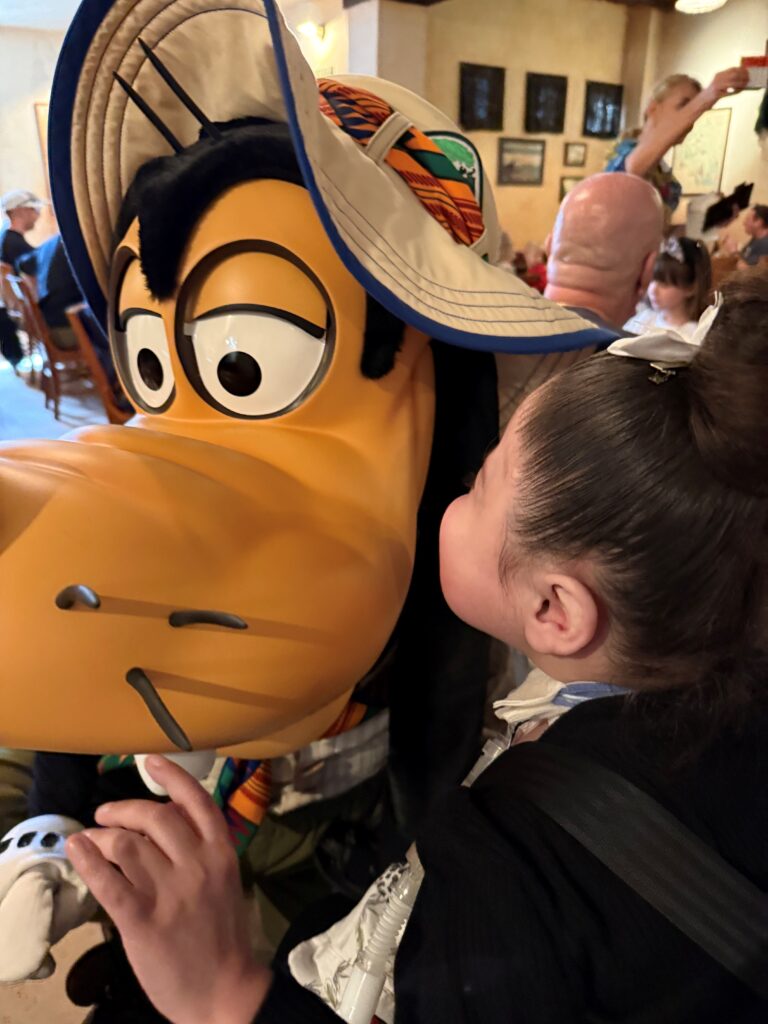
She loves the pool, which mildly alarmed her pulmonology team and did not slow her down for a second. She loves music, and being read to, and her iPad, and Goofy—so much so that before a Make-A-Wish trip to Disney, her godmother mailed over a four-foot Goofy to help Sofia get comfortable with the characters. It worked. The Goofy stayed. He now lives in the house year-round and gets dressed in seasonal outfits, because that is simply who he is to this family.
Sofia is also, by her mother’s own admission, devastatingly funny. When Phil said something silly in the car one day, a small voice from the back seat delivered a perfectly timed “Good job.” Deadpan. Innocent. Lethal.
“She’s me,” Maria says, with the resignation of a woman outmatched by her own genes.
Sofia is walk-assisted, but that does not mean she stays put. One night around nine o’clock, she made it clear she wanted to go out. She walked herself to the garage, opened the door, headed down the steps, and knocked on the car. So, the family went for a drive onto the highway, a couple of loops, and home with the happiest passenger in New Jersey.
“I live to serve,” Maria says.
She has figured out the iPad so thoroughly that she once bought a streaming subscription the family already owned, rented a movie, started a free trial, and entered a PIN no one taught her. She is, as Maria puts it, like being friends with the popular girl in school. Everyone knows Sofia. Everyone loves Sofia.
“I’m just Sofia’s mom,” she says. “I’m just the vehicle that gets her places.”
A Haven
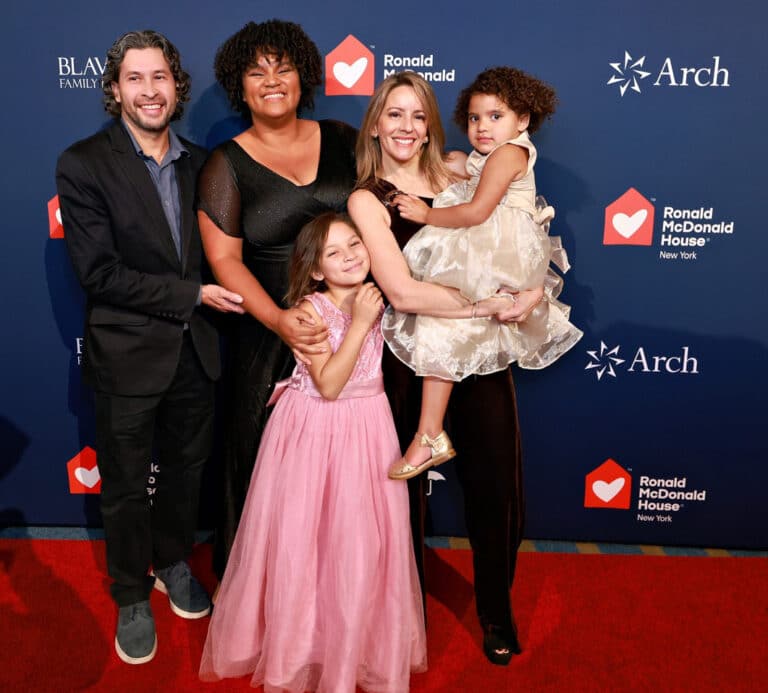
The family the House carried in 2020 keeps walking back through its doors and Maria continues to make time to give back to the House in so many special ways.
Ask Maria what she is most grateful for, now, when she looks at her daughter, and she doesn’t hesitate.
“Her life. Every second.”
She is a different person than she was before. Harder to rattle. Slower to take a single ordinary day for granted. She and Sofia share a dark, quick sense of humor that lets them laugh at things most people couldn’t, and that, too, is its own kind of survival. Phil never stands a chance. Two sharp wits under one roof, both pointed straight at him, and neither one misses a thing.
When asked to describe the place that gave her family the time to become a family, Maria didn’t reach for anything complicated.
“It’s more than just a house,” she said. “It’s a haven for families.”

 Newsletter
 Family
 Staff
Staff