
Every Day Is Mother’s Day
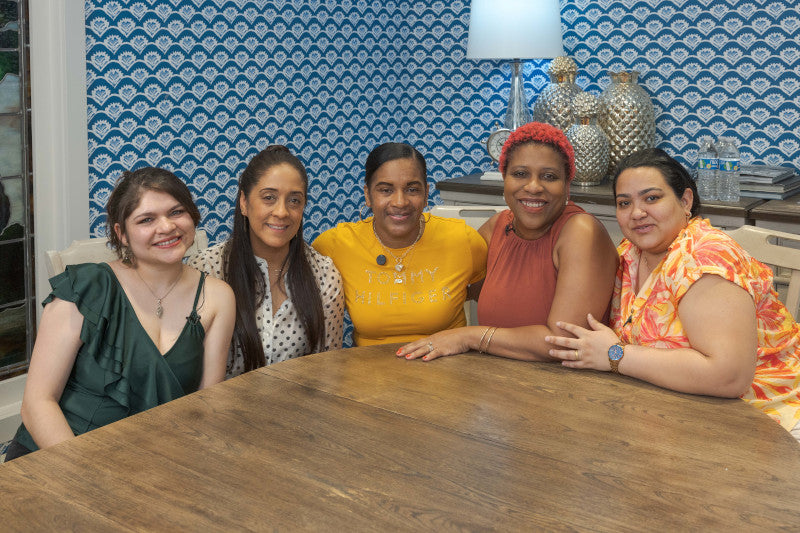
A Mother’s Day Roundtable at Ronald McDonald House New York
This is a story about five mothers who sat down together for one hour and told the truth.
It happened in the West Library of Ronald McDonald House New York — a space that wasn’t the original plan but turned out to be the right one. The conversation was filmed. A translator, Carlos, joined remotely so that language would never become a wall between women whose experiences already understood one another. And what unfolded over the next sixty minutes was something that no script could have arranged.
It was real. It was heavy. And it was, in the most unexpected ways, full of light.
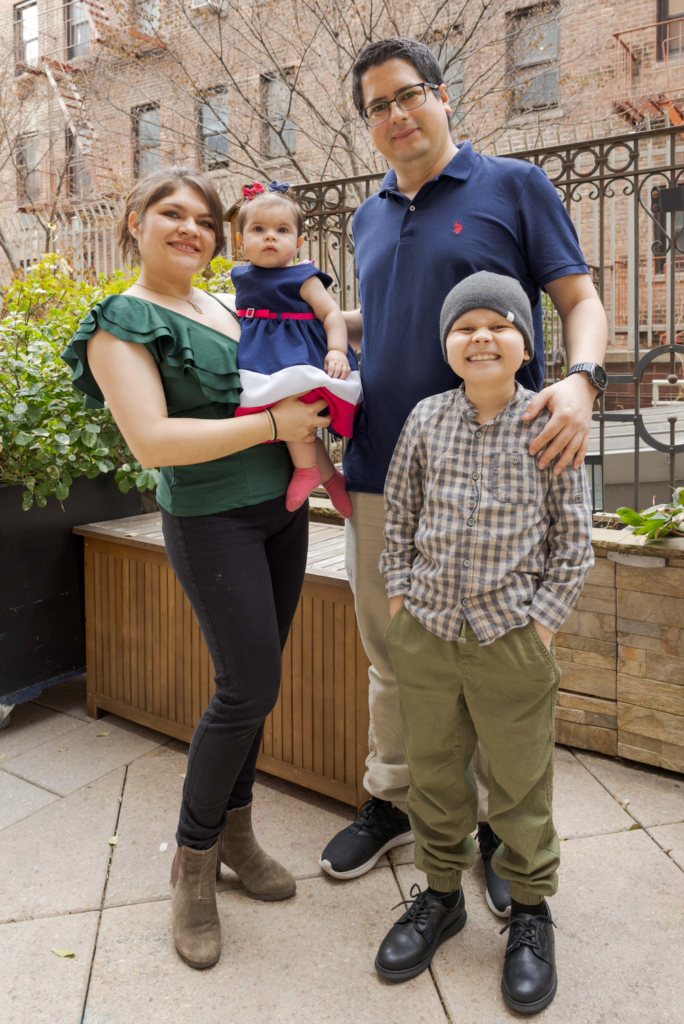
Fernanda and the family.
The Plan
The logistics came together piece by piece. The Family Support team — social work professionals who understand the emotional architecture of the House better than anyone — helped identify five mothers willing to share their stories. Five women, each in a different chapter of their child’s medical journey, each carrying a world of experience, and each generous enough to say yes.
Paul, the House’s go-to videographer, whose calm presence could probably convince a thunderstorm to reschedule itself, agreed to film the discussion. Everything was set for an outdoor conversation on the third-floor terrace. Open air. Natural light. A view that deserved a conversation like this.
And then, about an hour before the roundtable, the clouds rolled in.
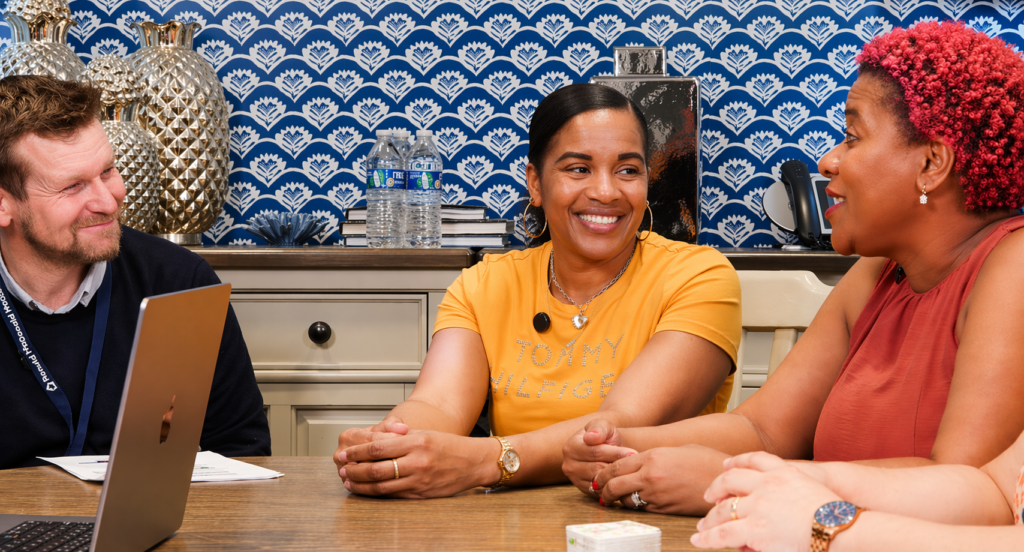
Melissa tells a funny story to Shanique and the Roundtable Moderator Tim, from the RMH-NY Communications Team, listen and laugh.
Redirecting the Conversation
Not dramatically. Not with thunderclaps or urgency. Just a slow, steady shift in the sky that made one thing clear: the conversation was going somewhere else.
So the roundtable moved indoors, into the West Library. A quieter space. A closer space. And as it turned out, a much better one.
Because when the mothers arrived — each one about ten minutes early, each one composed in a way that suggested both grace and readiness — the West Library didn’t feel like a backup plan. It felt like exactly where they were meant to be.
Five Mothers Take Their Seats
They gathered around the table without much instruction. No one needed to be told where to sit. No one hesitated.
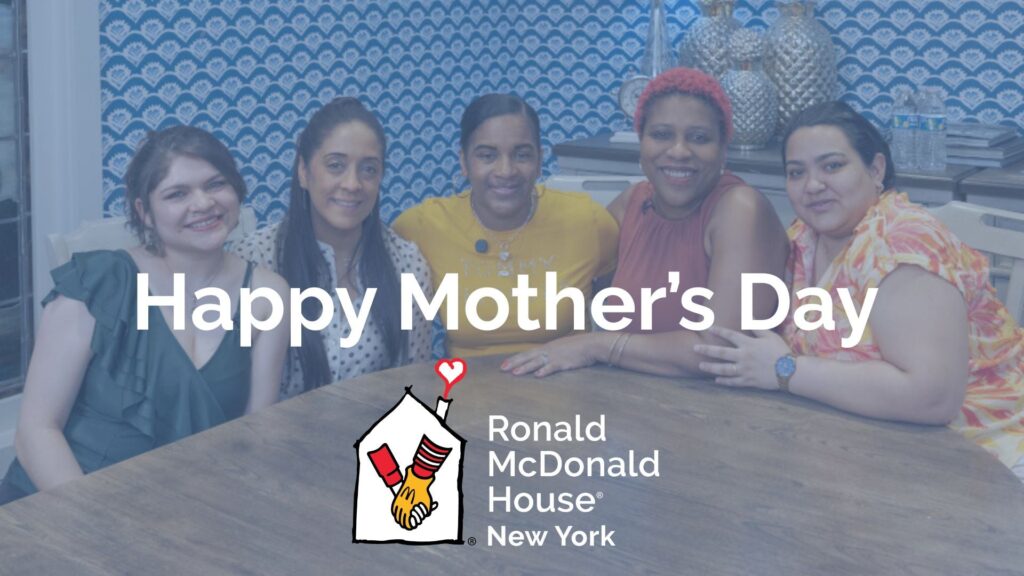
Fernanda. Yaniris. Shanique. Melissa. Theresa.
Five women from different countries. Different languages. Different stages of their child’s treatment. And yet, within minutes, there was an ease to the way they settled in — a familiarity that didn’t come from knowing each other for years, but from knowing and walking similar paths today.
Carlos appeared on the screen, ready to translate for Fernanda and Yaniris. A quiet but powerful reminder that while language matters, connection matters more.
There was a brief moment before the cameras started rolling. A breath. A glance around the table. A shared understanding that whatever this was going to be, it was going to be real. And then the conversation began.
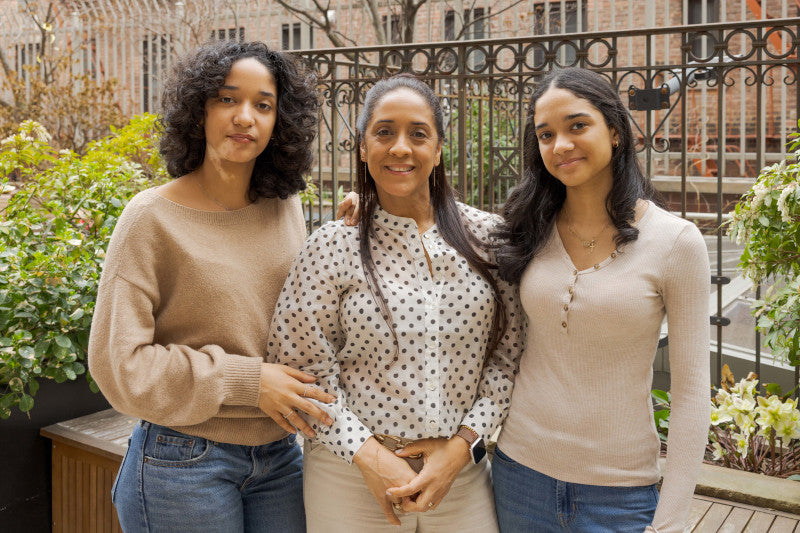
Yaniris and her daughters.
The Question That Opened Everything
It didn’t start with anything complicated.
What does a typical day look like?
It’s the kind of question that usually leads to predictable answers. Morning routines. Meals. Work. School.
But here, the question landed differently.
Fernanda and Elizabeth chat with Hannah, Social Work Manager, on the 3rd Floor terrace.
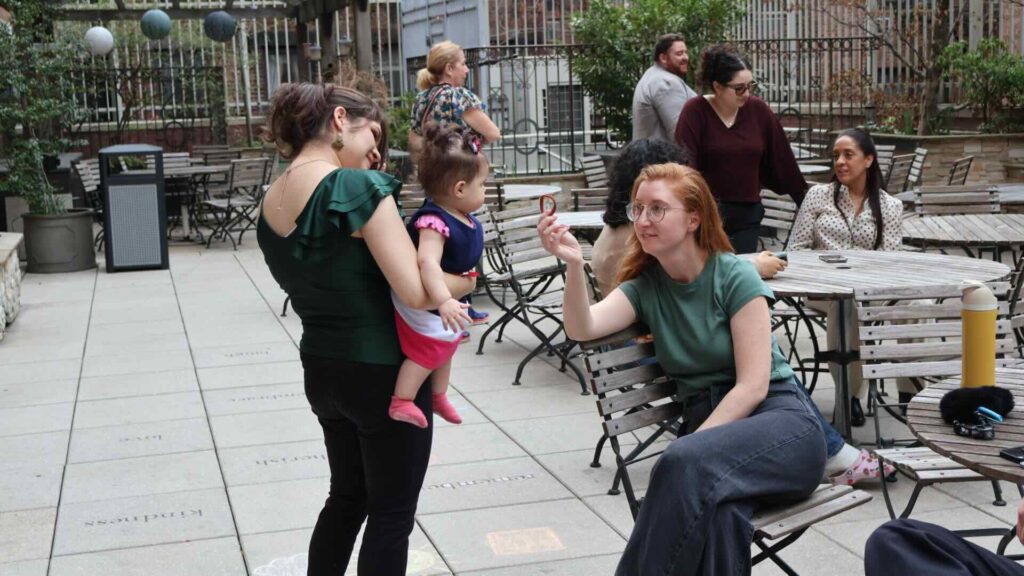
Fernanda answered first. “A typical day is never a typical day.”
There was no hesitation in her voice. No need to soften it. Just clarity.
"We don’t know what could happen tonight or tomorrow… but we are here now… supported."
"We don’t know what could happen tonight or tomorrow… but we are here now… supported."
The table didn’t react with surprise. There were no nods of polite agreement. Just recognition. Because every mother there understood exactly what she meant.
Inside the House, life doesn’t move in predictable patterns. It moves in response to test results, to how a child feels when they wake up, to news that can shift everything in an instant. Normal, in the traditional sense, doesn’t exist. And yet something else does.
Presence.
Strength, Rewritten in Real Time
There’s a common idea about strength: that it flows from parent to child, that mothers are the steady ones holding everything together. But that idea didn’t hold up at this table.
Theresa described what her mornings look like. Her daughter has spent months in the ICU, facing infections and procedures and challenges that would stop most adults cold.
"When I wake up in the morning, I look at her… she’s ready to go to school, she’s ready to do anything.” “If she can do it, so can I."
"When I wake up in the morning, I look at her… she’s ready to go to school, she’s ready to do anything.” “If she can do it, so can I."
Shanque, Melissa, and Theresa chat our Mother's Day Roundtable event.
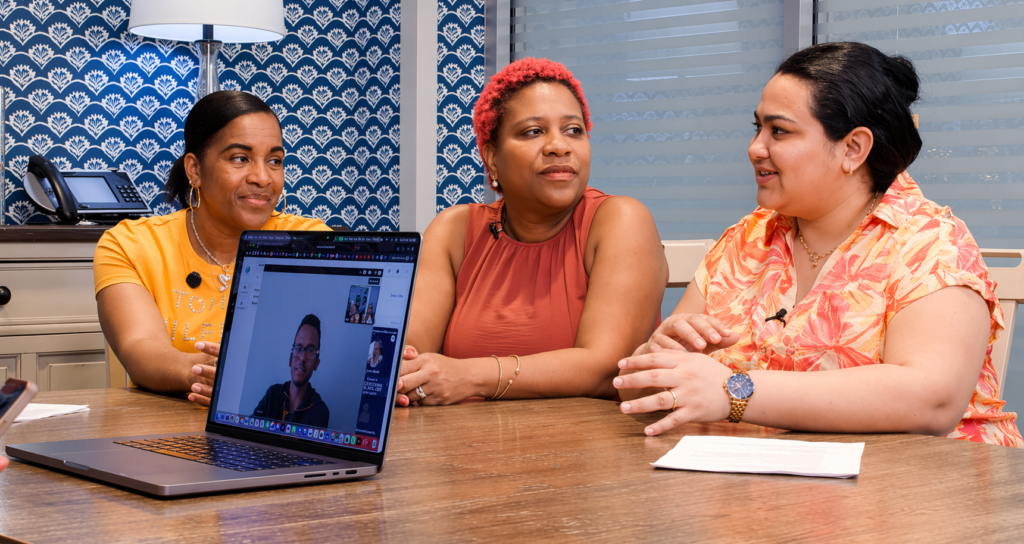
It wasn’t framed as inspiration. It was practical and honest.
Melissa widened the lens.
"These kids teach us a lot about strength and how to be strong in certain situations."
"These kids teach us a lot about strength and how to be strong in certain situations."
There it was. A reversal of roles that no one questioned. Pediatric patients, so often seen as the ones receiving care, become the ones demonstrating resilience in its purest form. And their mothers watch, learn, and rise to meet it.
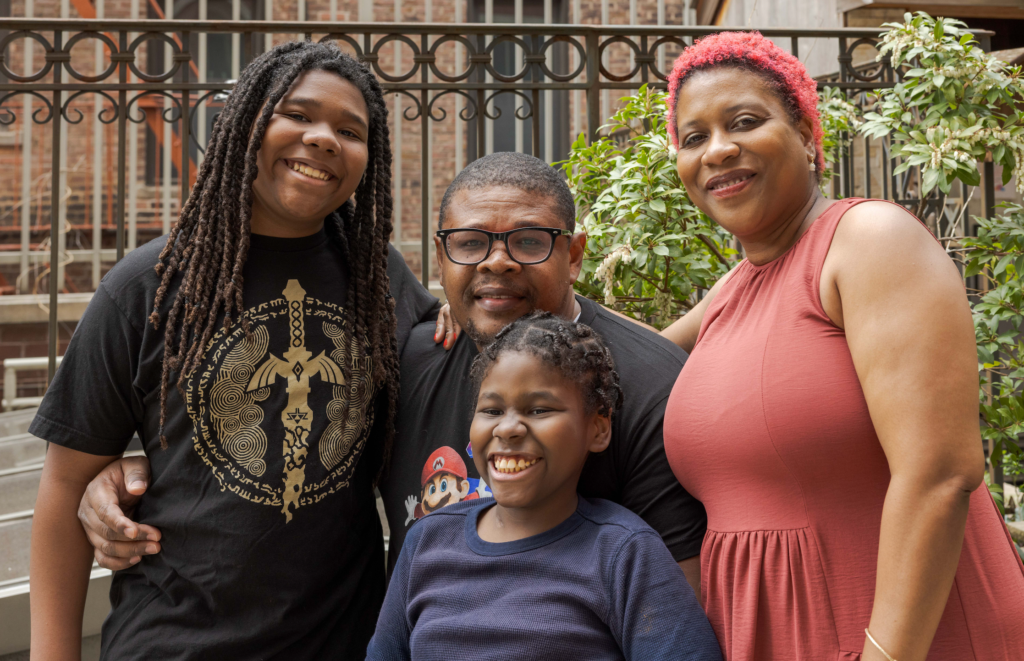
Melissa and family
The Work That No One Sees
As the conversation deepened, something else surfaced. Not the visible work of caregiving — not the appointments or medications or schedules. But the internal work. The emotional labor that rarely gets named.
“We are so much destroyed because of everything that is going on… but we have to smile every day.”
Melissa said it plainly. And then: “We have to be strong and let our kids know that… we’re gonna get through it.”
This is what emotional support looks like at its most active. Not passive reassurance. Not surface-level positivity. It’s a daily decision to filter fear, to manage pain, and to create a sense of safety for a child who is already facing more than they should.
Fernanda had named it earlier, almost in passing: “We fight battles in silence.”
In that West Library, the silence felt full.
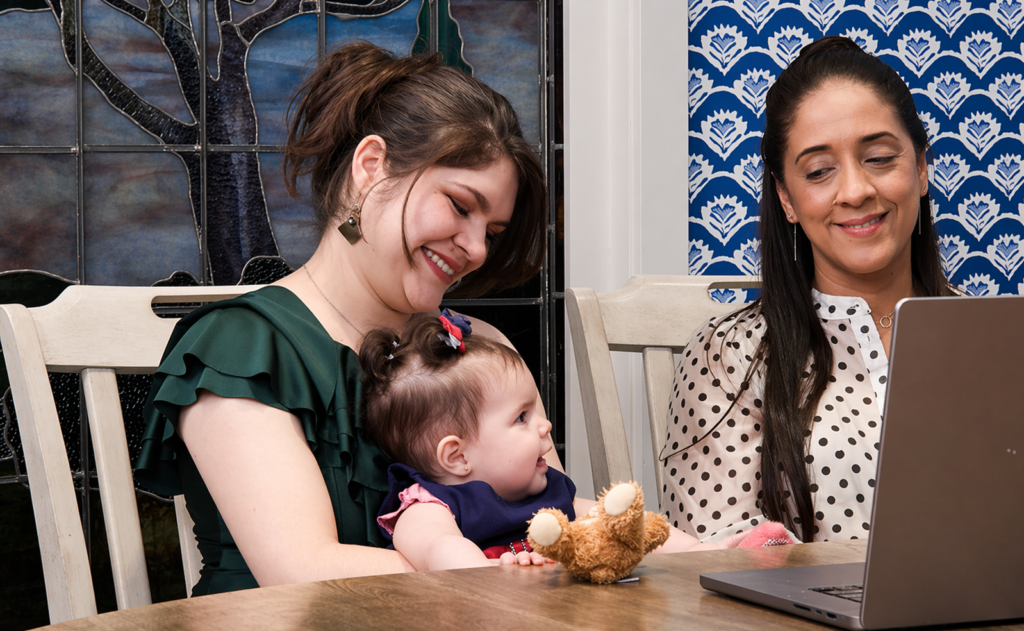
Fernanda and Yaniris laugh at little Elizabeth.
A Day That Changed Everything
At some point, the conversation turned toward Mother’s Day itself. Not the idea of it. The reality of it.
Melissa shared a memory that shifted the room. It was Mother’s Day. She was cooking. Her son was making a cake. An ordinary moment — the kind that fills homes everywhere.
“I didn’t even eat my son’s cake… I remember… I locked up the stove and ran straight to the hospital.”
No one interrupted. No one needed to. Because they all knew what came next. The diagnosis. The pivot. The moment when life splits into before and after.
“Mother’s Day will always be different.”
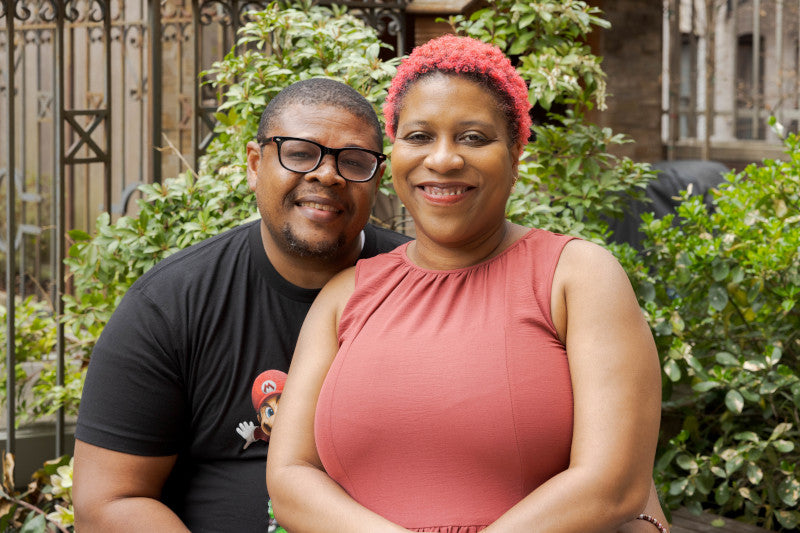
Melissa and her husband, Dale.
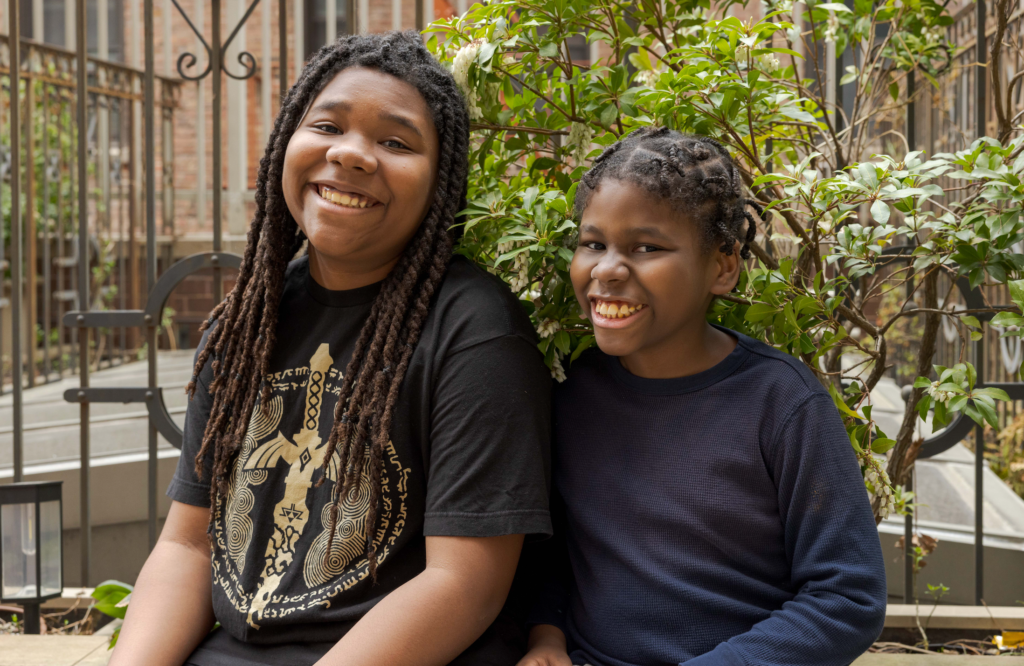
Melissa's Sons – Darius and Dimitris
Not diminished. Not erased. Changed.
“It’s not about me anymore.”
She didn’t say it with sadness. She said it with certainty. Because in this version of motherhood, presence outweighs everything else.
You don’t have to be in the House to know that feeling. Most mothers have had a moment when the celebration became secondary to simply showing up. When the cake didn’t matter. When being there was the whole gift.
These mothers live that truth every single day.
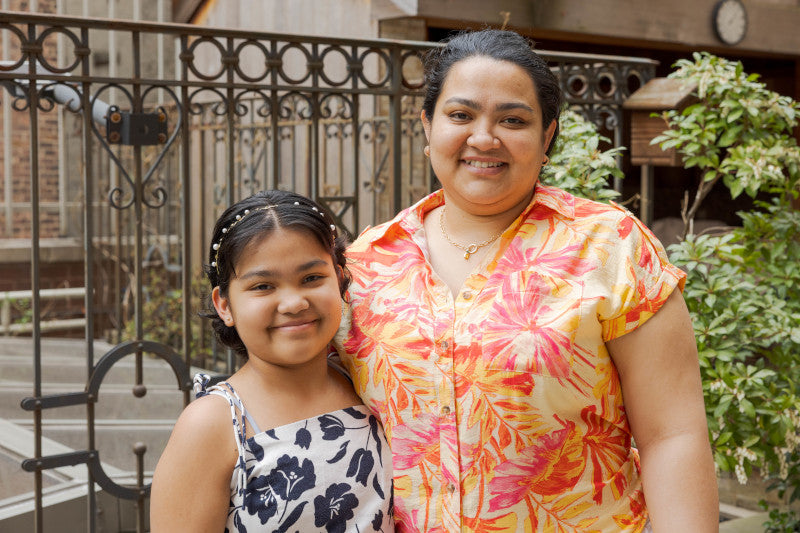
Theresa and Jaleyah
Every Day, Without Exception
Shanique leaned forward slightly when the conversation moved to what Mother’s Day means now.
“Every day is Mother’s Day. You can’t decide you’re not a mother today… I’m not a mother tomorrow.”
Theresa added, almost instinctively: “You can’t say, ‘Oh, I’m gonna sit and be… this day is for myself.’ You can’t do that.”
Not because they don’t deserve it. But because their reality doesn’t allow for it.
Melissa put it plainly: “We have to smile every day, show up, be present.”
And there it was again. Presence. Not perfection. Not celebration. Just showing up, again and again.
Where Strength Comes From
Strength, it became clear, isn’t sourced from one place for these mothers.
For Shanique, it begins with faith. “I seek my strength and my guidance from God… without him, I don’t know where I’d be today.” For Theresa, it’s her daughter. “Looking at her… that’s how I gain my strength.”
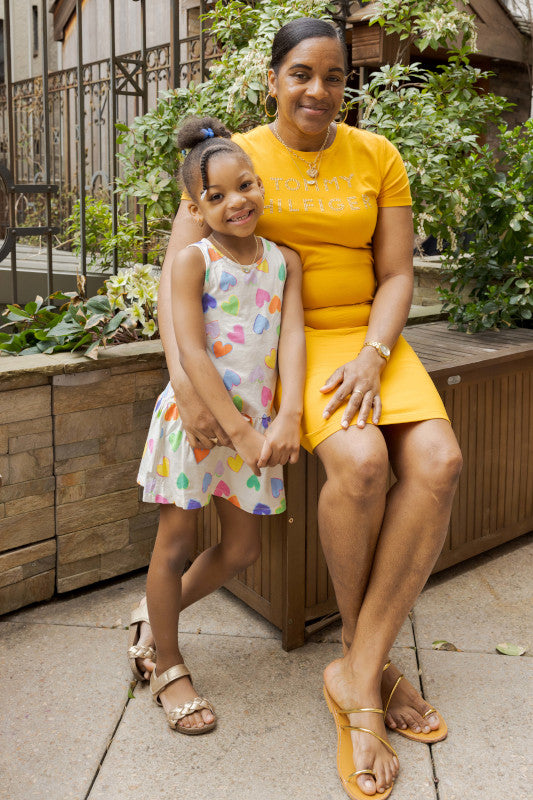
Shanique and 'Nique
And sometimes, Shanique said, it’s something less defined but equally real: “Sometimes looking at other people gives me the courage to go on.”
Not advice. Not solutions. Just seeing someone else continue and realizing you can too.
The House as More Than a Place
At Ronald McDonald House New York, families stay free of charge — just blocks from the hospital where their child is being treated. They have a bed to sleep in, meals to eat, laundry to do, transportation to and from the hospital, and a social work team available to help them manage moments that feel unmanageable.
These aren’t small things. For families in crisis, they are everything.
But what this roundtable revealed is that the House offers something harder to quantify.
Yaniris described it simply: “I have so many sisters here… I have so many brothers here.”
Yaniris and her girls.
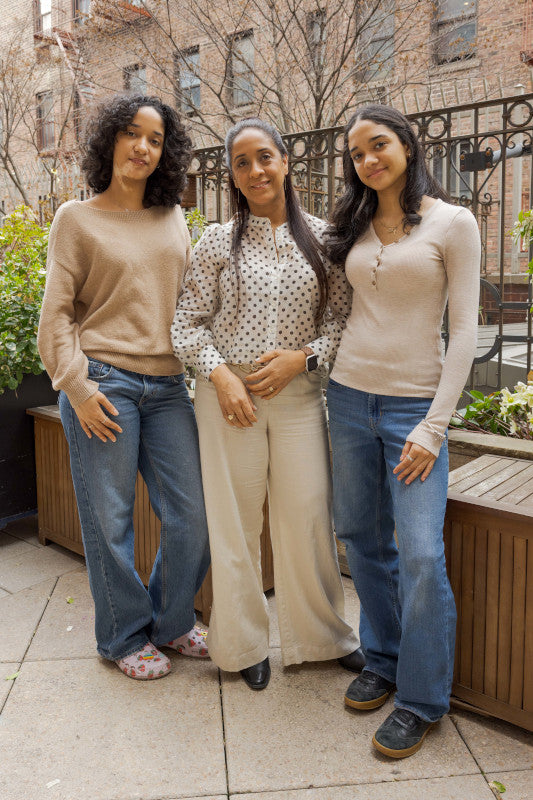
Not metaphorically. Practically. This is what happens when people from different backgrounds, languages, and life experiences come together under one shared purpose.
Melissa put it plainly: “Not even language could divide us… we are all here to support and help one another.”
Shanique added the thread that tied it all together: “As much as we don’t talk every day… I think everybody in the house has a connection.”
This is what compassionate care looks like when it moves beyond services. It becomes culture. It becomes community. It becomes a place where families stay together — not just physically, but emotionally.
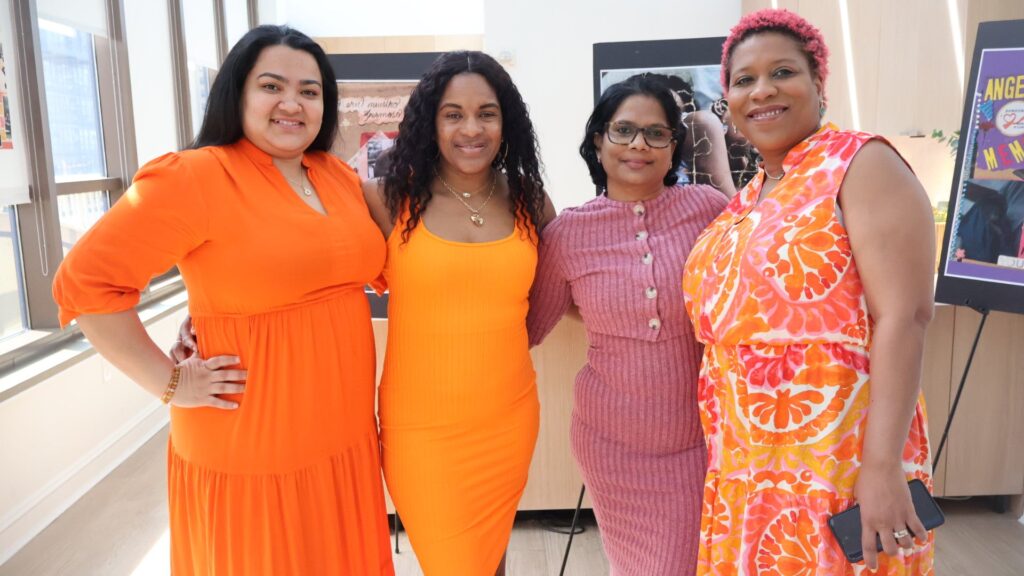
A few caregiver mothers at an art show honoring their work.
The Work Behind the Moment
What unfolded in that hour wasn’t accidental. It was built by a Family Support team that understands the weight these mothers carry — one that guided the event through intentional planning that prioritized emotional safety over structure. And by the willingness of five women to sit down and speak honestly, even when the truth was heavy.
And yes, by a last-minute change in location that brought everyone a little closer together. Sometimes the best environments for truth aren’t the ones with the best view. They’re the ones that feel the most human.
The Ending That Wasn’t an Ending
When the cameras stopped rolling, no one rushed out. There was no immediate return to schedules or responsibilities. Instead, there was a pause. A lingering. Because conversations like that don’t just end. They settle.
Eventually the group made their way up to the third-floor terrace — the original plan, finally realized. Their families joined them. Children. Partners. Laughter that felt lighter now, even if nothing about their situations had changed. They took photographs together: not because the moments were perfect, but because they were real. Memories made intentionally. Something to hold onto.
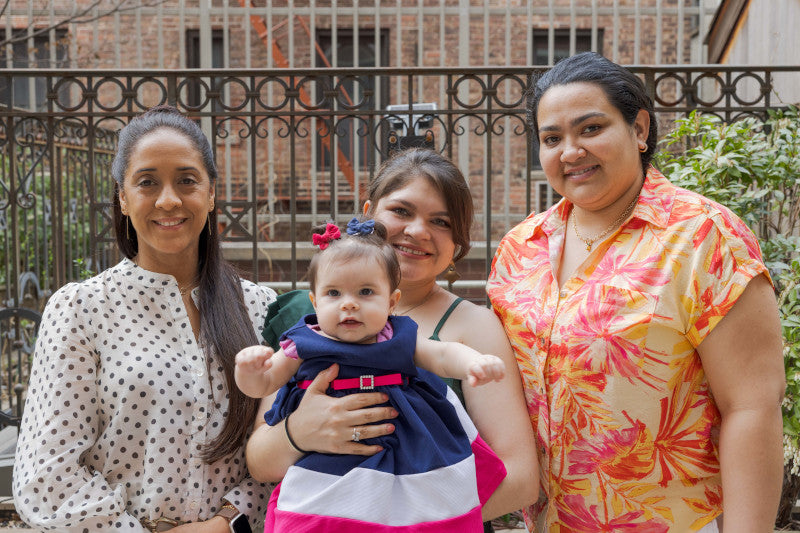
Yaniris, Fernanda, and Theresa
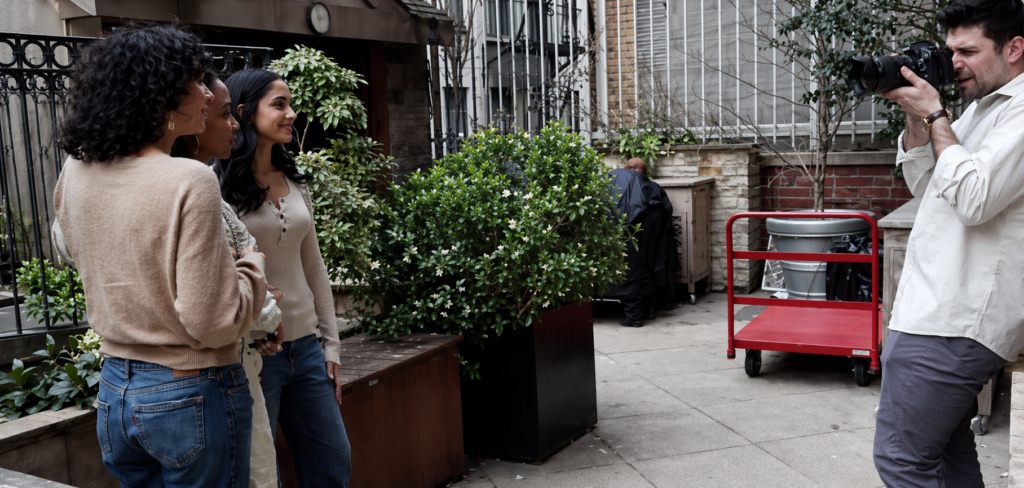
Yaniris and family in a photoshoot with Paul.
One Thought from Yaniris
"As a mom, you have to be awake, conscious, living in the moment. Always hug them. Love can transform — and make us radiant. We are not alone here. We’ll be together."
"As a mom, you have to be awake, conscious, living in the moment. Always hug them. Love can transform — and make us radiant. We are not alone here. We’ll be together."
What Stays Behind
The roundtable lasted an hour. What it revealed doesn’t fit into a timeframe.
It lives on in the way Fernanda redefined uncertainty and dignity. In the way Yaniris expanded the idea of family. In the way Theresa learned strength from her daughter. In the way Melissa told the truth without softening it. In the way Shanique reminded everyone that motherhood doesn’t take a day off.
At Ronald McDonald House New York, healthcare innovations and clinical excellence matter deeply, but so do moments like this. Moments where emotional support isn’t a service — it’s a shared experience. Where pediatric cancer and other serious conditions don’t define families — they reveal them. And where motherhood, in all its complexity, is lived out loud.
Not just on Mother’s Day. Every single day. Together.
— To All Mothers-
The mothers of Ronald McDonald House New York send their love to every mother, everywhere, on this special day.
They know what it means to hold on tightly, to show up with strength when it feels hardest, and to find light in moments that don’t always feel like celebrations.
Your support helps make it possible for families to stay together, close to their child’s care. If their stories moved you, please consider making a gift this Mother’s Day. Every dollar helps turn another day inside the House into something that feels a lot more like home.
Thank you for listening. Thank you for caring. Thank you for giving.
Happy Mother’s Day!
 Newsletter
 Family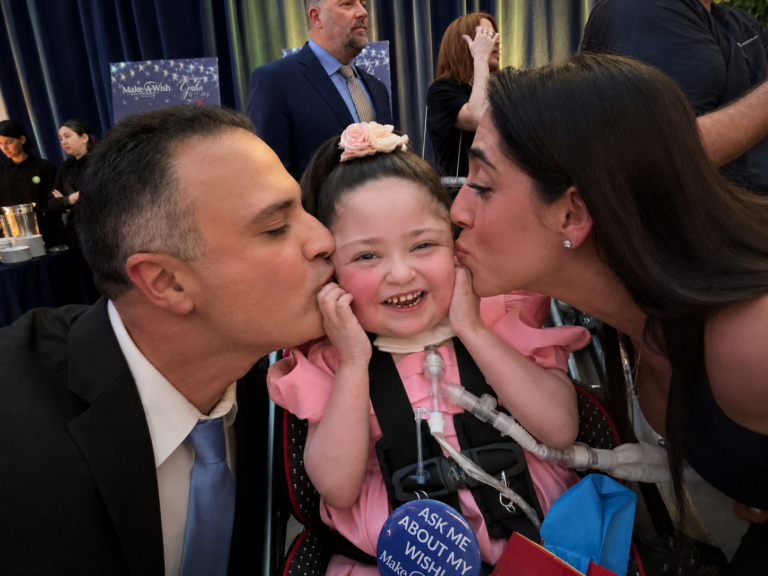
 Family
 Staff
Staff