Community Health
The House, beyond our walls.
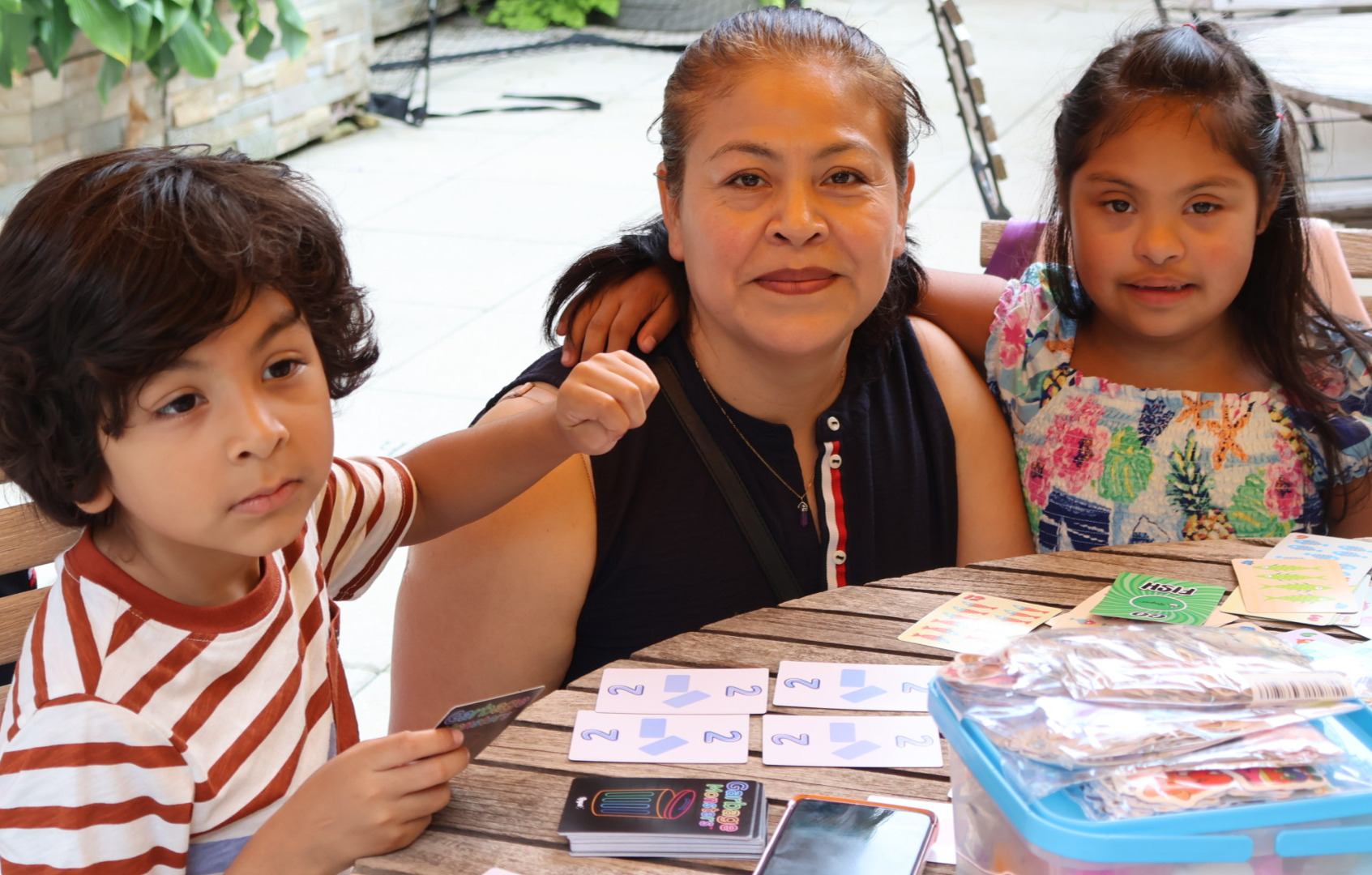
For 47 years, families have found comfort at the House. Now, we're bringing the same comfort to families wherever they are.
Our Population Health team works in neighborhoods across all five boroughs, helping New York City families access the essentials they need to stay healthy—food on the table, stable housing, transportation to medical appointments, and quality care for their children.
No stay at the House required. No cost to the family. Ever.
Community Health in 2025
769
Children and Families served
The Population Health Team connected New York City families to the resources they needed to thrive.
-

687
Social screenings conducted
Our team took New York City families who needed care and gave them hope and a health screening.
-

75,390
Generated in earned revenue
by the Population Health Team in 2026.
-

71%
of individuals were ages 0 – 26.
Our mission has always been pediatric-focused and we continue on the same path with our community health initiatives.
-

42%
of families considered high-risk.
At RMH-NY, we look to serve families with the greatest needs.
How it Works

We Listen
Our Community Health workers sit down with families and ask a simple question: what do you need?

We Connect
Food programs. Housing help. Childcare. Rides to appointments. A pediatrician who takes their insurance.

We Stay
Week after week, our team follows up until a family in crisis becomes a family on solid ground.

-Nahidur Rhaman, RMH-NY Population Health Team
Community Health Worker
"They walked in feeling overwhelmed and unsure of where to turn — and walked out with resources, connections, and a little more peace of mind. That's the part that stays with me. Not just what we connected them to, but watching someone go from carrying it all alone to knowing somebody was actually there to help."
The New York Medicaid 1115 Waiver
In 2024, New York State launched the Medicaid 1115 Health Equity Reform Waiver, built on a simple premise: health isn’t shaped by medicine alone. It’s shaped by housing, food, transportation, and childcare. Through the waiver, community health organizations like the Population Health team at RMH-NY are funded to help meet those needs directly. Population Health partners with three social care networks, Public Health Solutions, SOMOS Community Care, and Staten Island PPS, to reach families in all five boroughs of New York City, at no cost to them.

"We're working to make sure the care navigation our team provides is recognized and sustainably funded, so we can keep helping the most vulnerable families in our local communities. "
—Jamillah Hoy-Rosas, MPH, RD, Head of Population Health
"We're working to make sure the care navigation our team provides is recognized and sustainably funded, so we can keep helping the most vulnerable families in our local communities. "
—Jamillah Hoy-Rosas, MPH, RD, Head of Population Health
Meet Grace and Gracie Rose
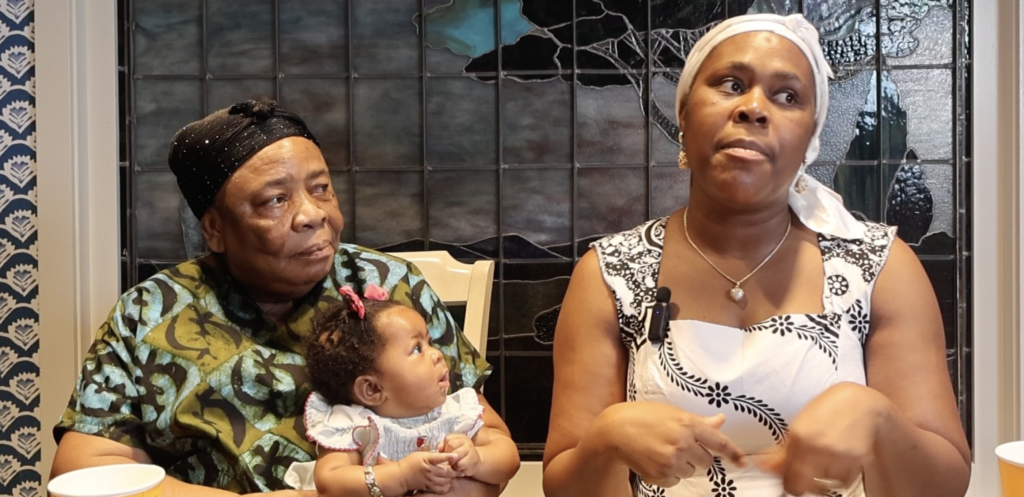
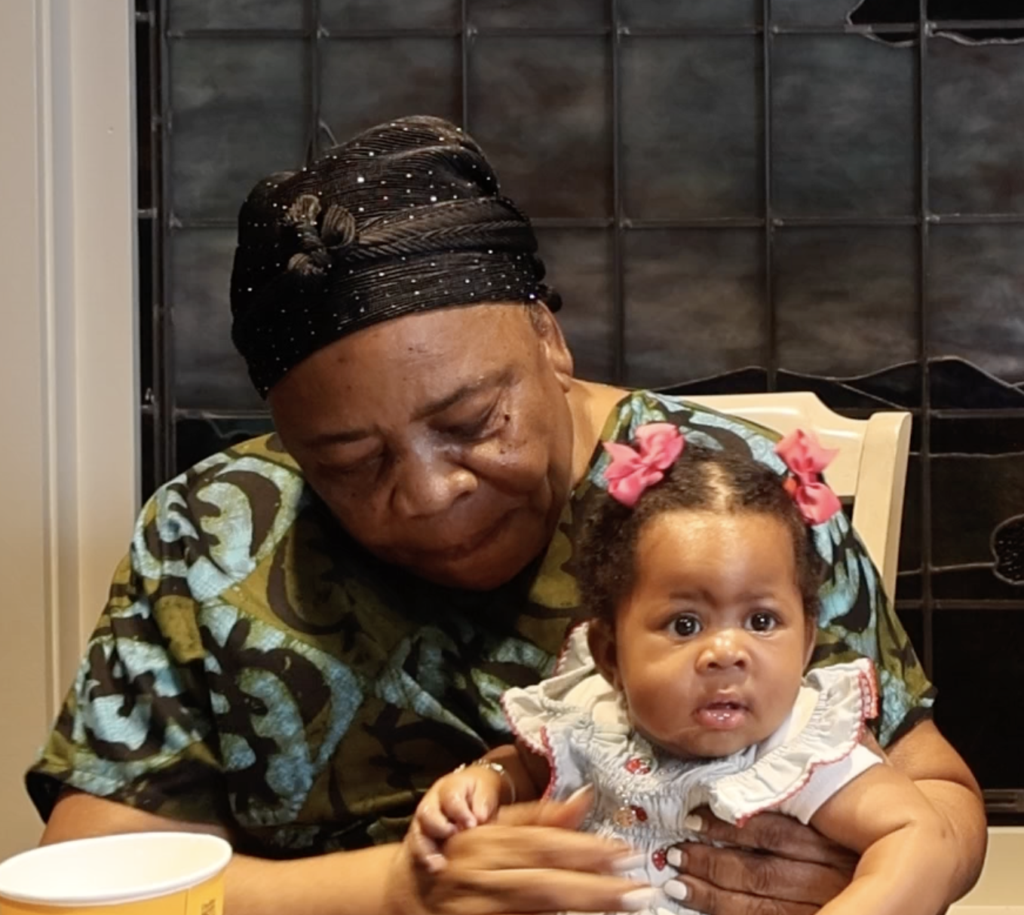
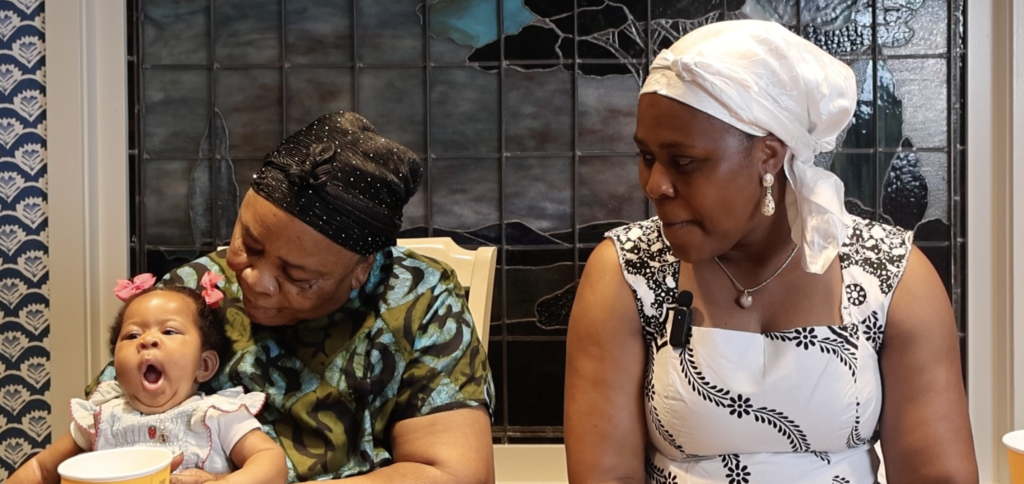
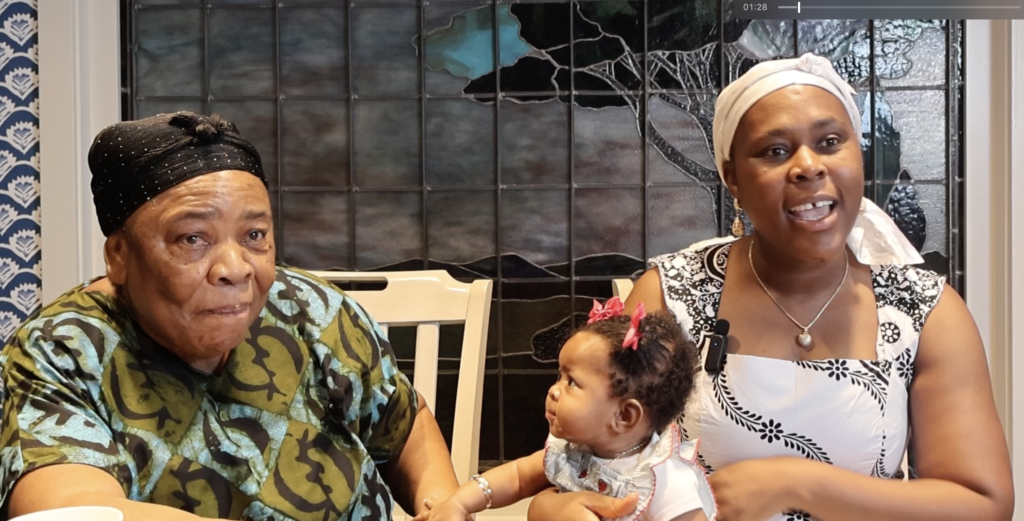
Grace is a new mom and a nurse, sharing a crowded Staten Island apartment with her extended family. For months, a voice on the phone helped her find food support, childcare, and housing resources for her baby girl, Gracie Rose.
One summer evening at the House, Grace finally met that voice in person: Grethel, her Community Health Worker.
Read Grace and Grethel's Story

-Grethel, Team Member, Population Health
"Our goal is always to be the bridge between families and the resources that can help them thrive. "
Why It Matters
A child’s health isn’t decided only in a hospital. It’s decided at the dinner table, on the bus route, in the apartment where they sleep. When those are interrupted, families skip appointments, miss medications, and slip through the cracks.
Our Population Health team fills the gaps that can make all the difference. In 2025 alone, the team arranged thousands of rides, connected families to hundreds of screenings, and made sure no family had to navigate their child’s health needs on their own.
"Families shouldn't have to worry about how they'll get the support they need. "
—Jamillah
"Families shouldn't have to worry about how they'll get the support they need. "
—Jamillah
Serve With Us Through Public Health AmeriCorps
Some people give a gift. Others give a year.
Public Health AmeriCorps, a partnership between AmeriCorps and the CDC, trains the next generation of public health leaders. At RMH-NY, that work has a name: Patient Navigator. Our Navigators serve a full year, mapping the social needs of NYC neighborhoods and connecting families to a referral network they can actually reach. In return, they earn a monthly living stipend, an education award, health coverage, childcare assistance for those who qualify, and skills that outlast the year itself.
It’s hands-on. It’s humbling. And it opens doors.
Your Gift Goes the Distance. Literally.
Help build a healthier community by ensuring local NYC families have access to the resources they need when they need them most.