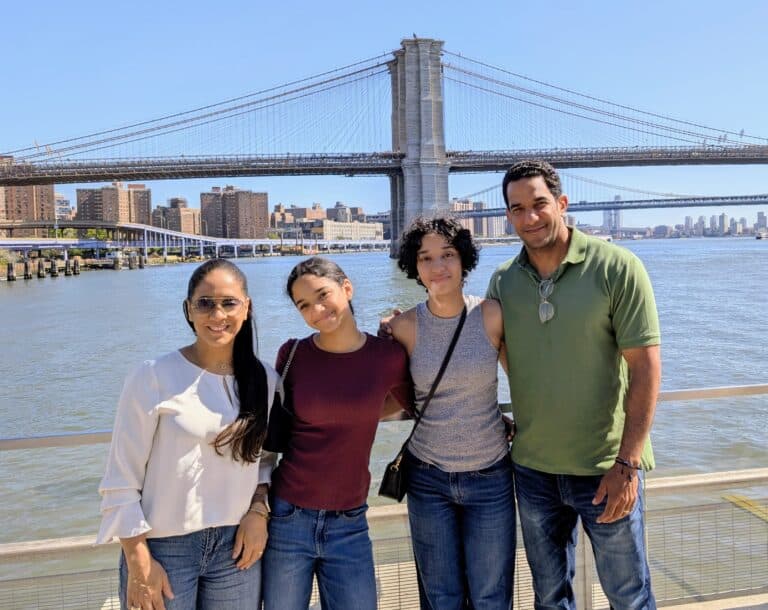
Eva Peña: From Civil Engineer to Healer and Volunteer
April doesn’t whisper its message—it steps into the spotlight, grabs the microphone, and dares you to recognize the people who keep showing up when it matters most.
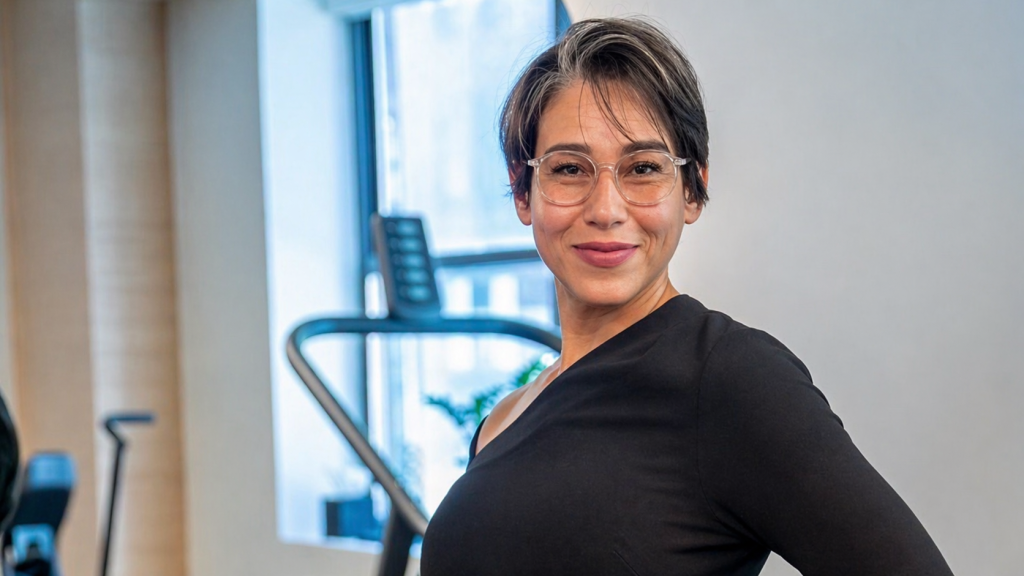
How One Volunteer Is Transforming Caregiver Wellness at Ronald McDonald House New York
April doesn’t whisper its message—it steps into the spotlight, grabs the microphone, and dares you to recognize the people who keep showing up when it matters most.
National Volunteer Month, or April, arrives with purpose, bringing together National Volunteer Week, National Day of Service, and Volunteer Recognition Day into one unified reminder: people who give their time and talent are not just helpful—they are essential.
Inside Ronald McDonald House New York, that truth is not seasonal. It is constant. It lives in the laughter echoing through shared kitchens, in the quiet moments of reflection in family rooms, and in the The Blavatnik Family Foundation Wellness Center, where caregivers rediscover something they often forget they need.
Themselves.
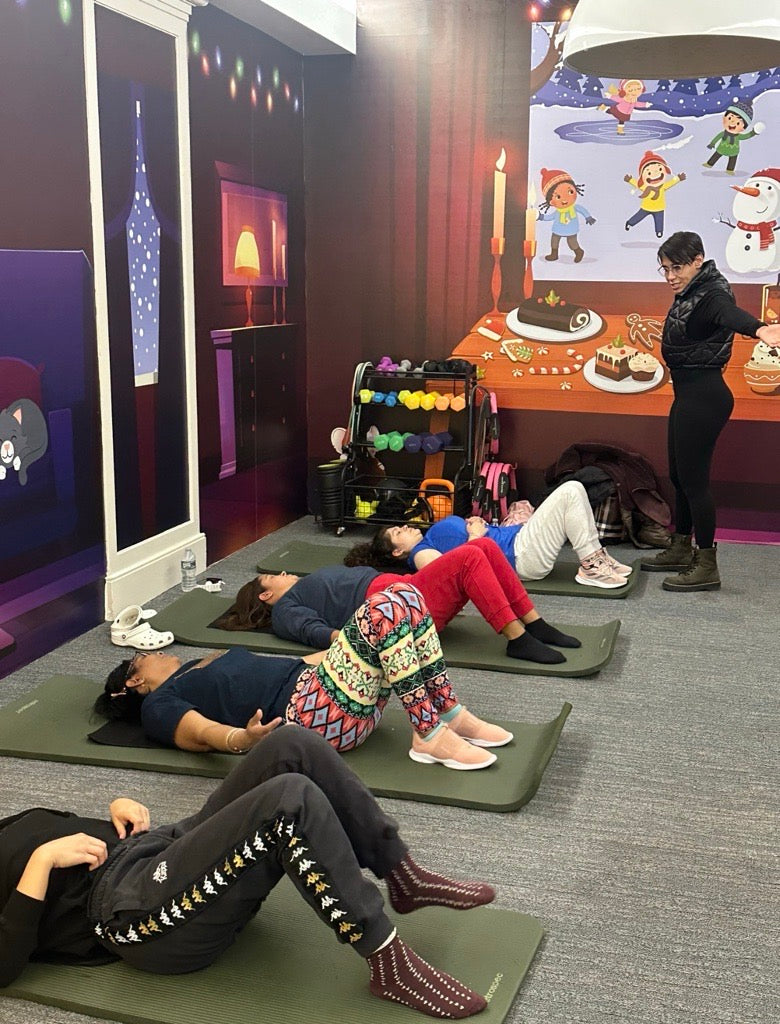
Every Friday afternoon, from 2:00 to 4:00 p.m., that rediscovery is guided by Eva Peña—a volunteer whose story doesn’t just inspire. It recalibrates how volunteerism is understood.
She Didn’t Stop Being an Engineer
Eva Peña was trained as a civil engineer in the Dominican Republic. She understands systems. She understands structure. She understands how to build something that lasts.
But life asked her to build something different.
As a single mother raising three children—including a son who required specialized care—Eva faced a choice that many caregivers know all too well: career or family.
She chose her children.
One therapist told her that her son needed more love and attention. Eva didn’t analyze it. She acted.
Well, if that’s the solution, let’s do it,
she said.
That decision wasn’t the end of her professional identity. It was the beginning of a new one.
I think that I will never… stop being an engineer,” she explained. “Instead of building buildings, I just build bodies and people’s lives.
It’s not a metaphor she uses lightly. It’s the blueprint she lives by.
Strength That Started as Survival
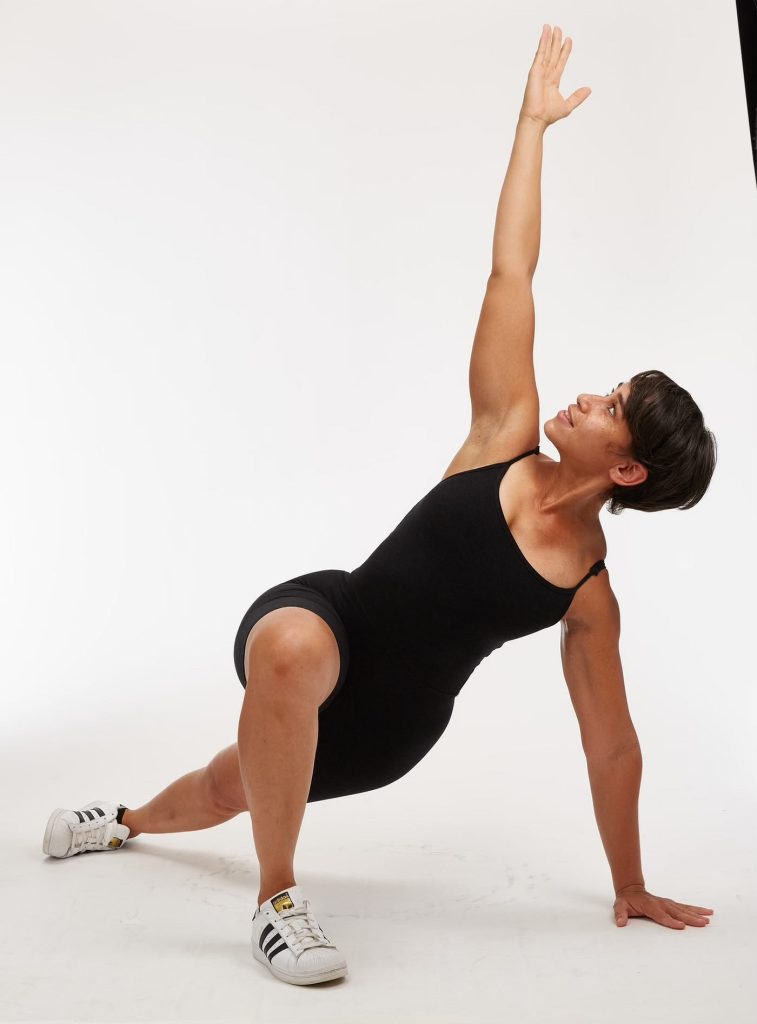
Eva didn’t enter the world of fitness with a business plan. She entered it because she needed a way forward.
After navigating an emotionally difficult period in her life, she was encouraged to try exercise. At first, it was unfamiliar territory. But something clicked.
As an engineer, you understand, I need to know why things happen,
she said.
That curiosity turned into study—nutrition, physiology, physical therapy. She didn’t intend to become a professional. She wanted to understand her own transformation.
But transformation has a way of becoming visible.
Her confidence grew. Her strength increased. Her presence changed.
People noticed.
People start asking me… ‘I want to train with you,
she recalled.
And just like that, something that began as personal healing became a pathway to helping others.
Rebuilding in a New World
When Eva moved to the United States in 2017, she brought her knowledge and passion with her—but little else translated easily.
She didn’t speak English fluently. Her credentials didn’t carry over. Her professional network was nonexistent.
So, she started again. “I had a really hard time, because I didn’t speak English then,” she said.
She retrained. She re-certified. She rebuilt her confidence in a new language, in a new system, in a new life.
And slowly, it worked.
One client captured the turning point:
I don’t understand so much what she says, but she looks to know what she’s doing.
That belief became momentum.

Today, Eva runs a thriving wellness studio on the Upper East Side. She has built a business grounded in science, consistency, and care. And… her English is stellar.
But her most impactful work might be happening just one block away.
A Simple Question That Changed Everything
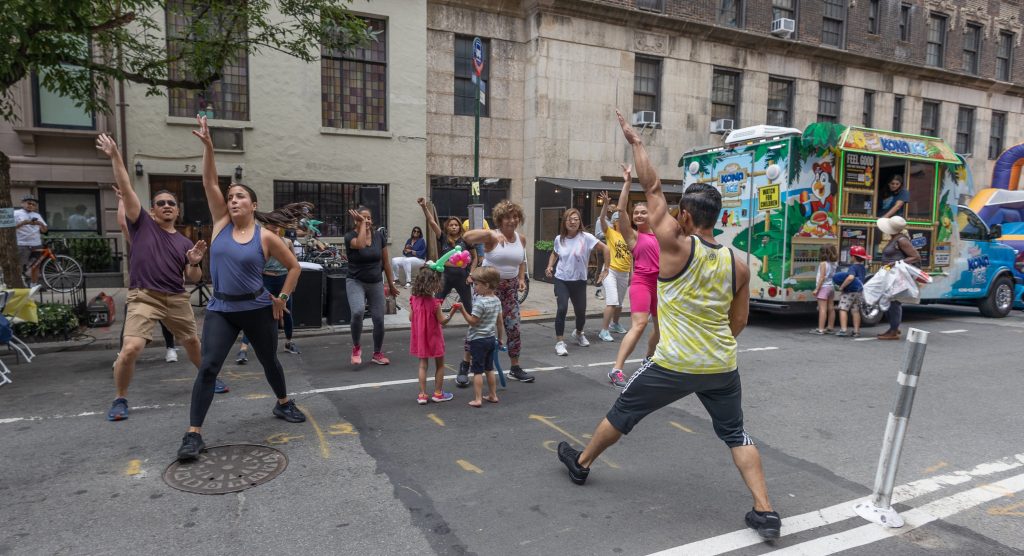
In the summer of 2022, Eva set up a booth at a neighborhood block party. She offered assisted stretch sessions. People lined up.
Next to her was a table from Ronald McDonald House New York.
RMH-NY Block Party
She had never heard of it. So she asked. “What do you do? I didn’t know about you,” she said.
That question opened a door she didn’t know existed.
After visiting the House and learning about its mission—supporting families with children undergoing treatment for serious illnesses, including pediatric cancer—Eva felt something immediate. “I have been so grateful… I need to find a way to extend my blessings to others,” she said.
“I have been so grateful… I need to find a way to extend my blessings to others,” she said.
She didn’t wait to be asked.
She offered.
A New Kind of Volunteer
Volunteerism often gets boxed into familiar roles. Cooking meals. Organizing drives. Supporting events.
All vital. All meaningful. But Eva saw something else.
She walked into the Wellness Center and recognized an opportunity to serve in a way that aligned completely with her expertise.
I say, ‘Well, this is my opportunity, because I have something that you can benefit (from),’” she said.
She proposed a program built around movement, recovery, and restoration for caregivers—people who are often overlooked in traditional healthcare settings.
I can dedicate a couple hours of my time, and we can do a lot of things with that,” she said.
Today, that “couple hours” has become one of the most sought-after caregiver experiences in the House.
The Two Hours That Change Everything
Every Friday, Eva and her team transform the Wellness Center into something more than a fitness space.
It becomes a reset button.
Caregivers arrive carrying physical exhaustion and emotional weight. They’ve spent nights in hospital rooms. They’ve navigated uncertainty. They’ve put themselves last—again and again.
Eva understands that instinct.
They don’t have space on their mind to think about themselves,” she said.
So, Eva creates that space.
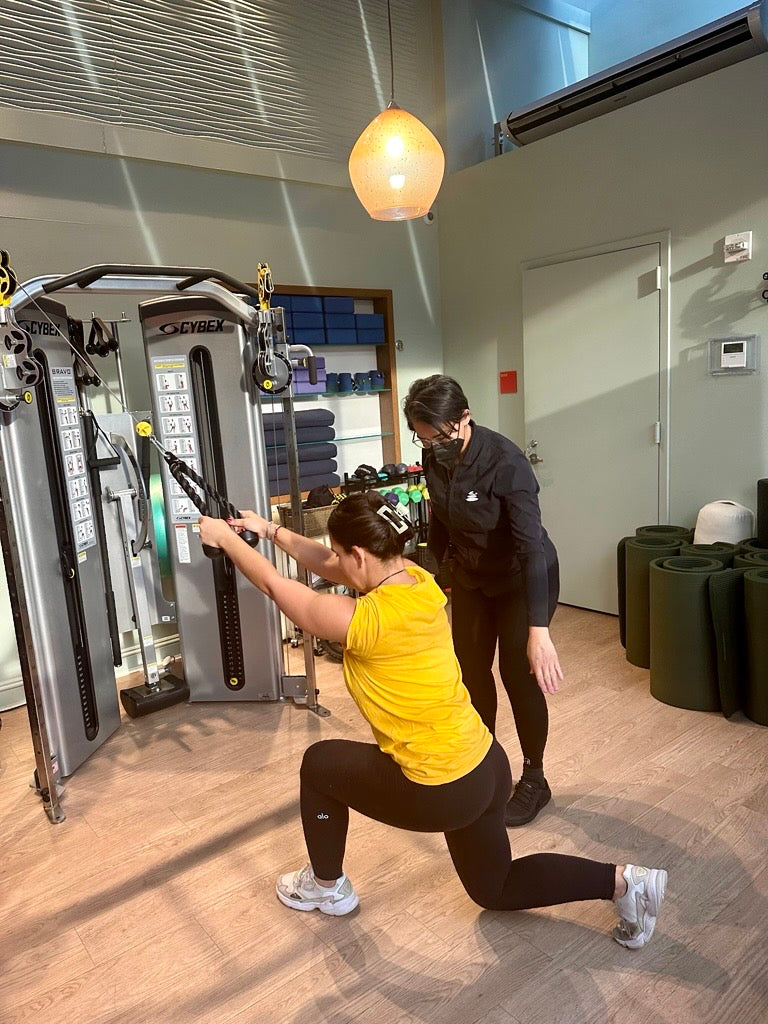
Her sessions include:
- “Guided group workouts tailored to each participant.”
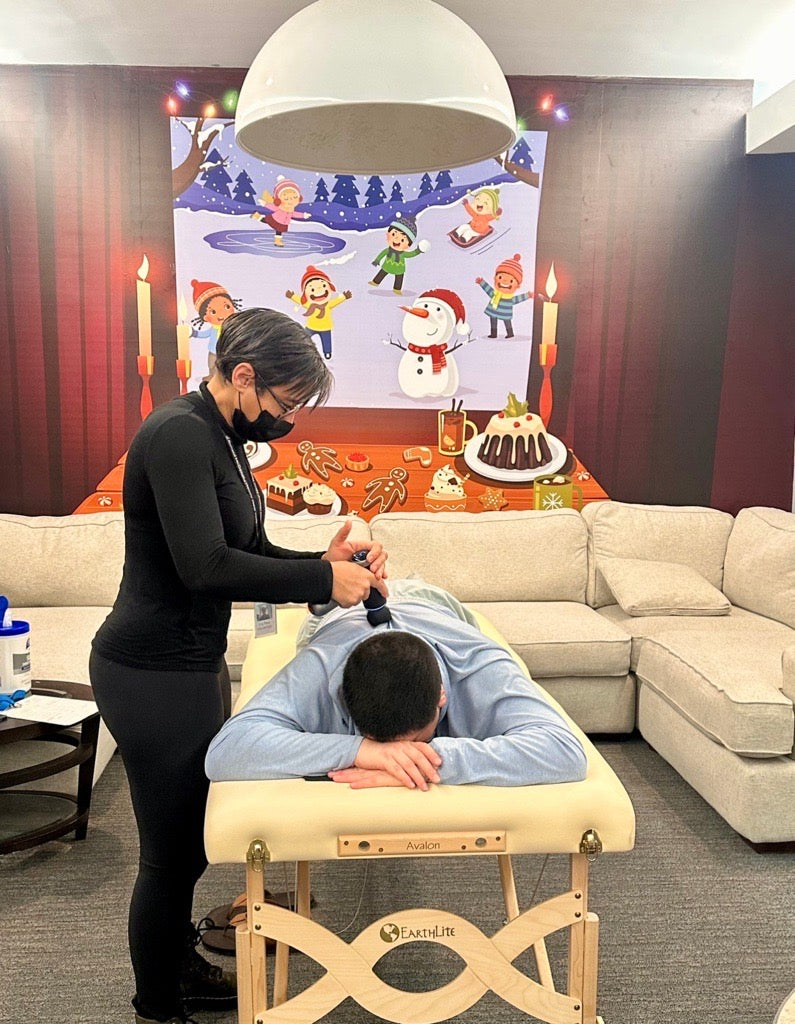
- “Assisted stretching to release tension.”
- “Recovery sessions with compression therapy and light therapy.”
But the real work isn’t just physical. It’s emotional. It’s mental. It’s human.
Why Caregivers Need Care, Too
In the broader healthcare conversation, caregiver wellness is often overlooked. The focus is rightly on pediatric patients, on treatment plans, on outcomes.
But behind every child is a caregiver running on empty.
Eva knows this firsthand.
There’s nothing more precious in our life than our kids,” she said.
That love drives everything—but it can also lead to burnout.
That question reframes everything.
Her work is built on a simple but powerful truth: caregivers must care for themselves to care for their children effectively. You have to be your best first to be there for them,” she said.
At Ronald McDonald House New York, this philosophy is part of a larger commitment to recognizing that emotional support, physical wellness, and mental resilience are critical components of healing.
This is what compassionate care looks like in action.
The Connection That Changed Her
Eva expected to meet families from all over the world.
What she didn’t expect was how deeply she would connect with families who shared her language and background.
When I met so many Latino families… I wasn’t prepared for that,” she said.
They feel like, ‘Oh, somebody like me,’” she said.
And for Eva, it deepens her sense of purpose.
Choosing What to Carry
Empathy is a powerful tool—but it can also be heavy. Eva has learned how to navigate that balance.
I rather to know as less as possible,” she said softly.
Not because she doesn’t care—but because she cares deeply. She focuses on what she can give in the moment. “Let me bring the happiness and the light for them,” she said.
That approach allows her to show up fully, without being overwhelmed by the weight of every story. It’s a quiet kind of strength.
This Is Not Spare Time
Eva’s schedule is full.
She runs a business. She supports multiple organizations. She leads, mentors, and builds.
And still—she shows up. Not because she has extra time. Because she makes it.
“I’m very busy… but I’m going to make the time,” she said.
That distinction matters.
Volunteerism is often framed as something people do when they have nothing else to do. Eva flips that idea completely.
This is something she chooses to do—because it matters. Because it fulfills her. Because it changes lives. Including her own.
I just need to step in there… and everything changes for me,” she said.
More Than a Place—A Feeling
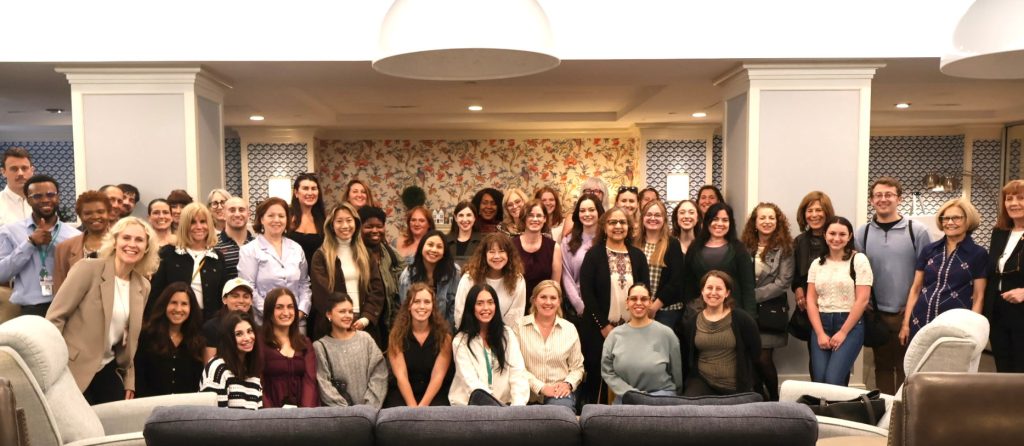
Ask Eva about the House, and she doesn’t describe it as an organization. She describes it as a feeling. "They’re not staff. For me, they are family,” she said.
From the moment she walks through the door, she feels it.
Every time when I arrive, I feel like I just arrived home,” she added.
That sense of belonging is not accidental. It is built intentionally—through people, through programs, through a shared commitment to supporting families in their most difficult moments.
What Volunteerism Really Looks Like
Eva’s story challenges a common misconception: that volunteering requires a specific type of skill or a specific kind of person. It doesn’t.
It requires willingness. It requires intention. It requires the ability to look at what you have—your experience, your knowledge, your passion—and ask how it can serve someone else.
At Ronald McDonald House New York, that question has countless answers.
For Eva, the answer was fitness.
But what she really brought was something deeper: restoration, dignity, and a reminder to caregivers that their well-being matters, too.
A Simple Truth That Stays With You
April shines a spotlight on volunteers. But the need for volunteers never fades.
Families arrive at Ronald McDonald House New York every day, navigating pediatric cancer and other life-threatening illnesses. They carry fear, hope, exhaustion, and resilience—all at once.
They need support. They need care. They need moments where they can breathe.
Volunteers make those moments possible. And as Eva has shown, those moments don’t have to be grand to be powerful.
Sometimes, they look like a 15-minute recovery session. Sometimes, they look like a stretch that releases more than just muscle tension. Sometimes, they look like someone standing in front of you, saying without words: You matter, too.Because when caregivers are cared for, everything changes.
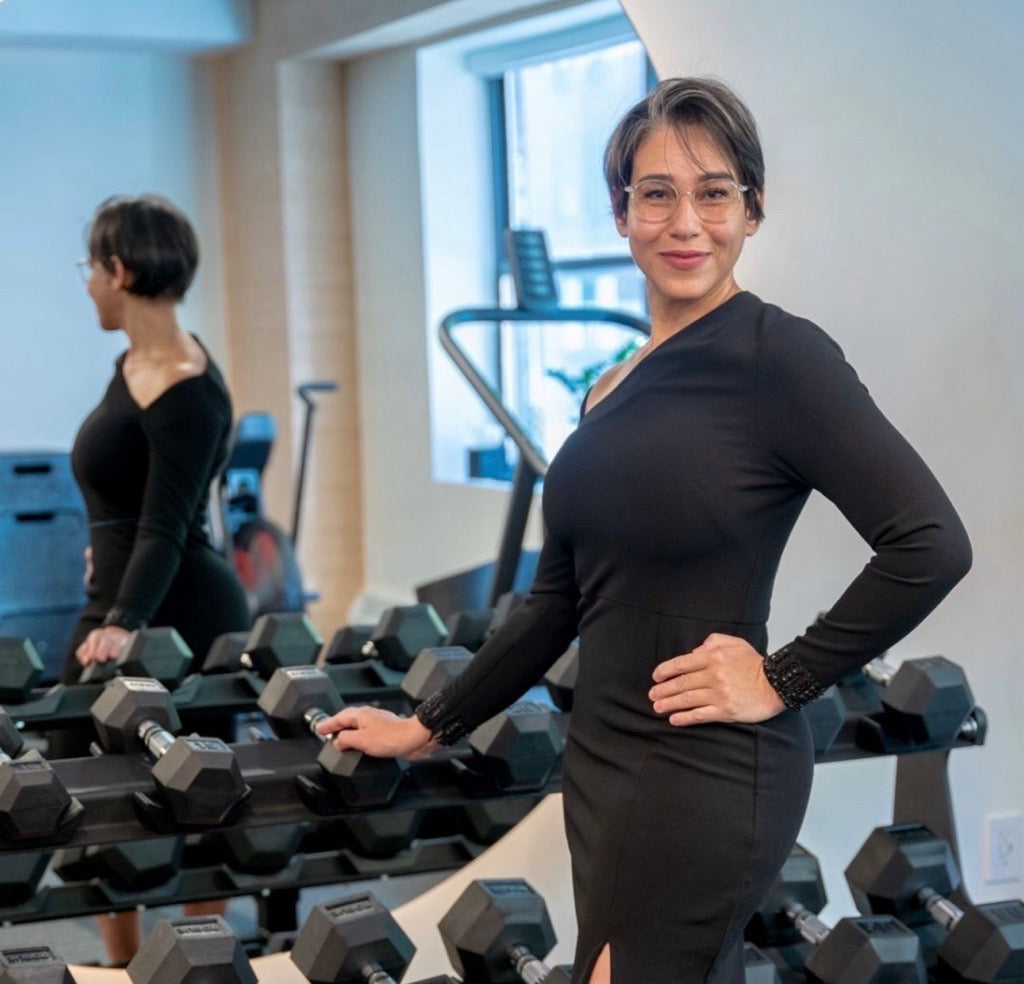
And sometimes, the person who helps make that happen is an engineer turned fitness guru who decided to build something different and, in the process, became a healer.
At Ronald McDonald House New York every Friday from 2pm – 4pm, Eva Pena is building something human, something lasting. Something that reminds every caregiver and family that even in the hardest moments, they will never be alone.
 Newsletter
 Family
 Family
 Staff
Staff